
Last updated November 25, 2026
 Sweep & inspection
 Caps & crowns
 Flue relining
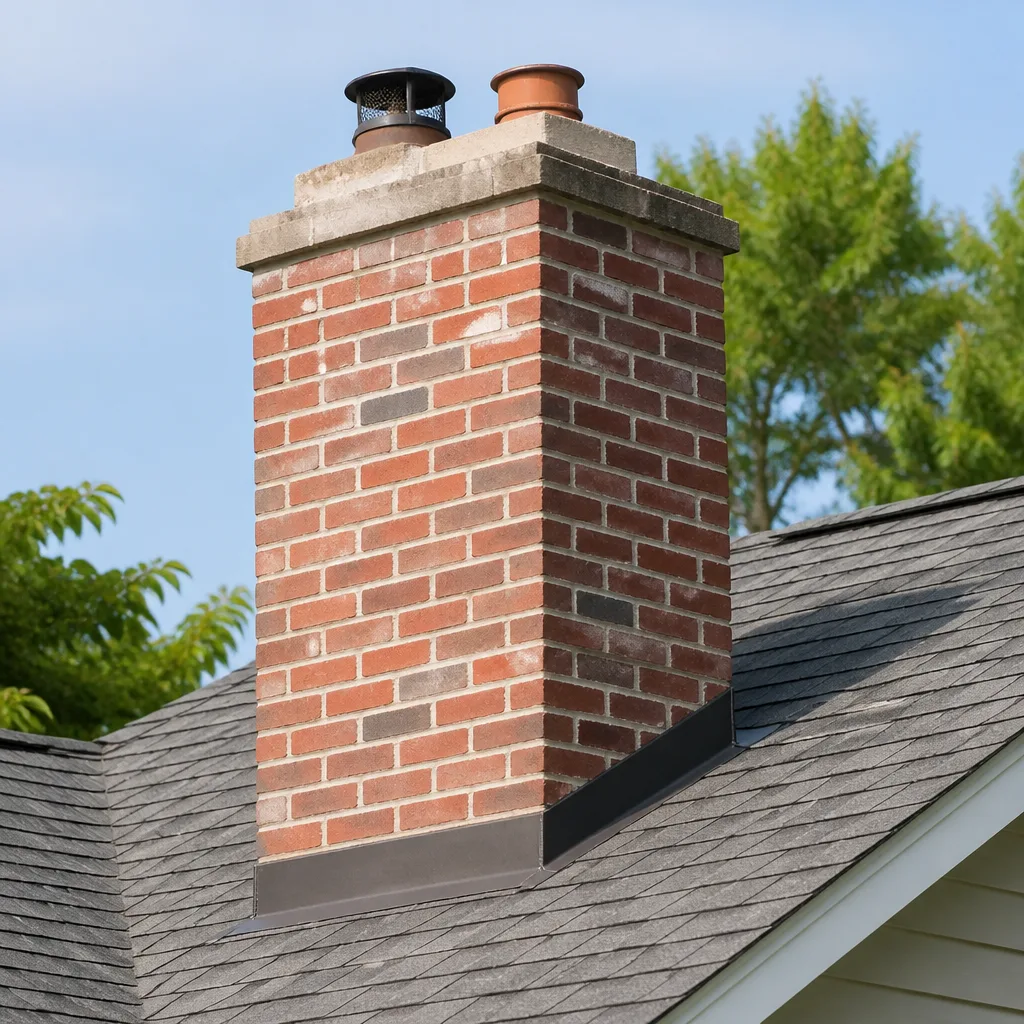 Masonry repair
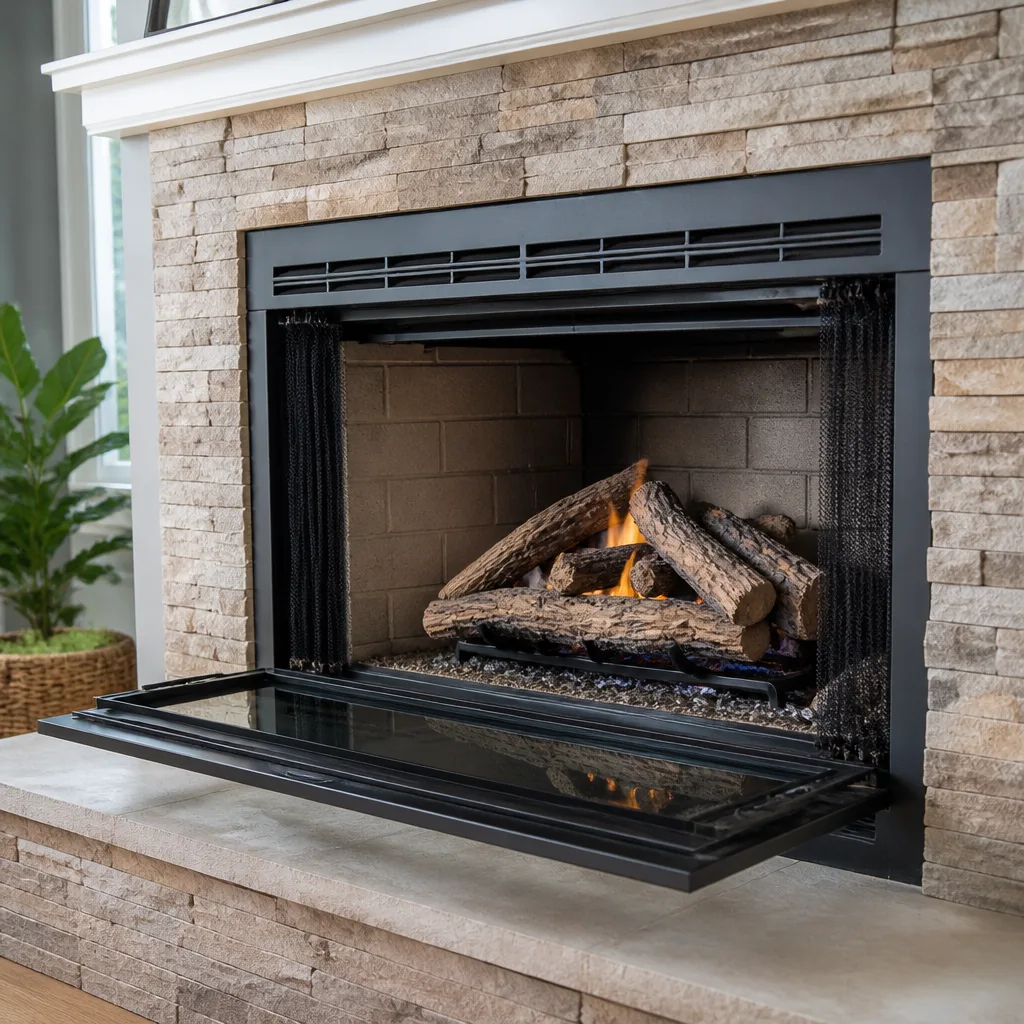 Gas fireplace service
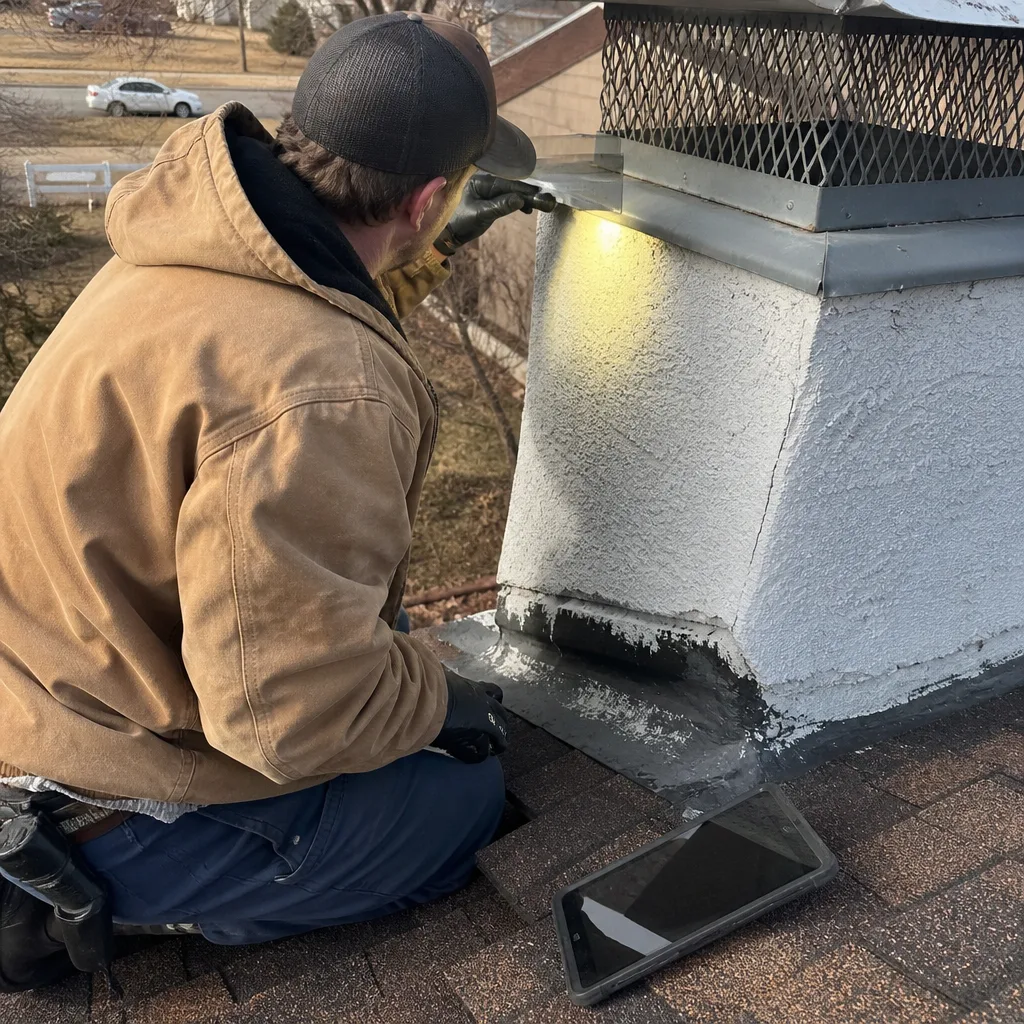
Level 1 sweep and inspection to the NFPA 211 annual standard - flue, crown, cap, and flashing checked and photographed
Chimney sweep logs do not sweep chimneys. They loosen some creosote - which then falls where a brush and vacuum still have to collect it.
Chimney Cleaning Warning Signs: A Highlands Ranch Homeowner’s Reference Guide
A strong smoke smell in your living room on a windy day isn’t just unpleasant. It’s a pressure diagnostic, and it’s telling you something specific about your chimney’s draft geometry. Most chimney problems announce themselves long before they turn dangerous. The trouble is that homeowners don’t know which signals to take seriously and which are purely cosmetic, so real warnings get filed under “normal” while harmless quirks get all the worry. This guide maps each symptom to its likely cause and an honest urgency level, from “watch it” to “stop using the fireplace today.” We’ll cover odor types, smoke behavior, exterior staining, and the sounds that point to animal intrusion or liner damage. You’ll finish knowing exactly which Highlands Ranch chimney signals deserve a call.
Quick Answer
The most serious chimney warning signs are puffback (smoke rolling back into the room), a strong acrid or sulfuric smell that doesn’t clear with a fresh fire, dark staining or white powdery bloom on the exterior chase, and rattling or scratching sounds inside the flue. Musty odors, light surface soot, and minor smoke spillage on cold starts are usually maintenance-level issues, not emergencies. In Highlands Ranch, the dry climate and wide seasonal temperature swings make exterior staining and crown cracking especially common, so the outside of the chimney deserves a look at least once a year.
Styles & brands we work with
- Sweep & inspection
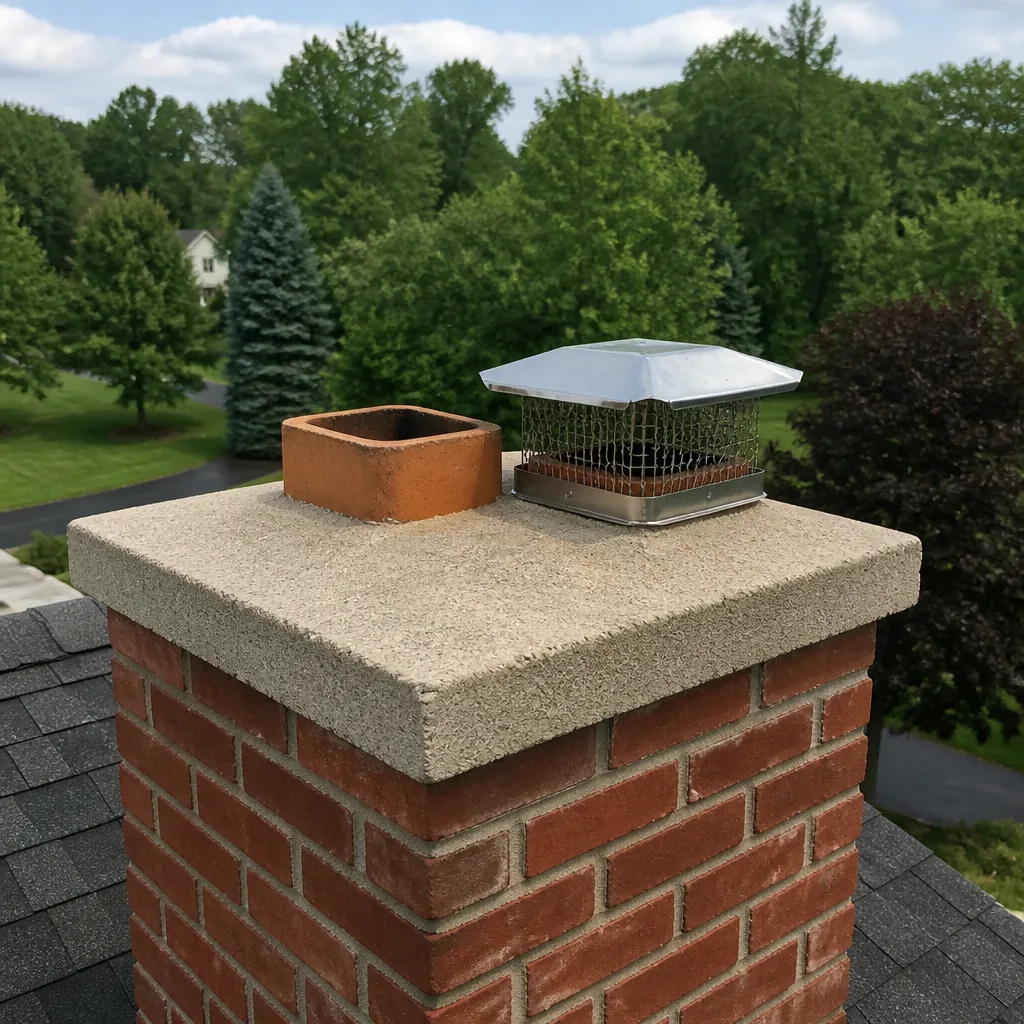
- Caps & crowns
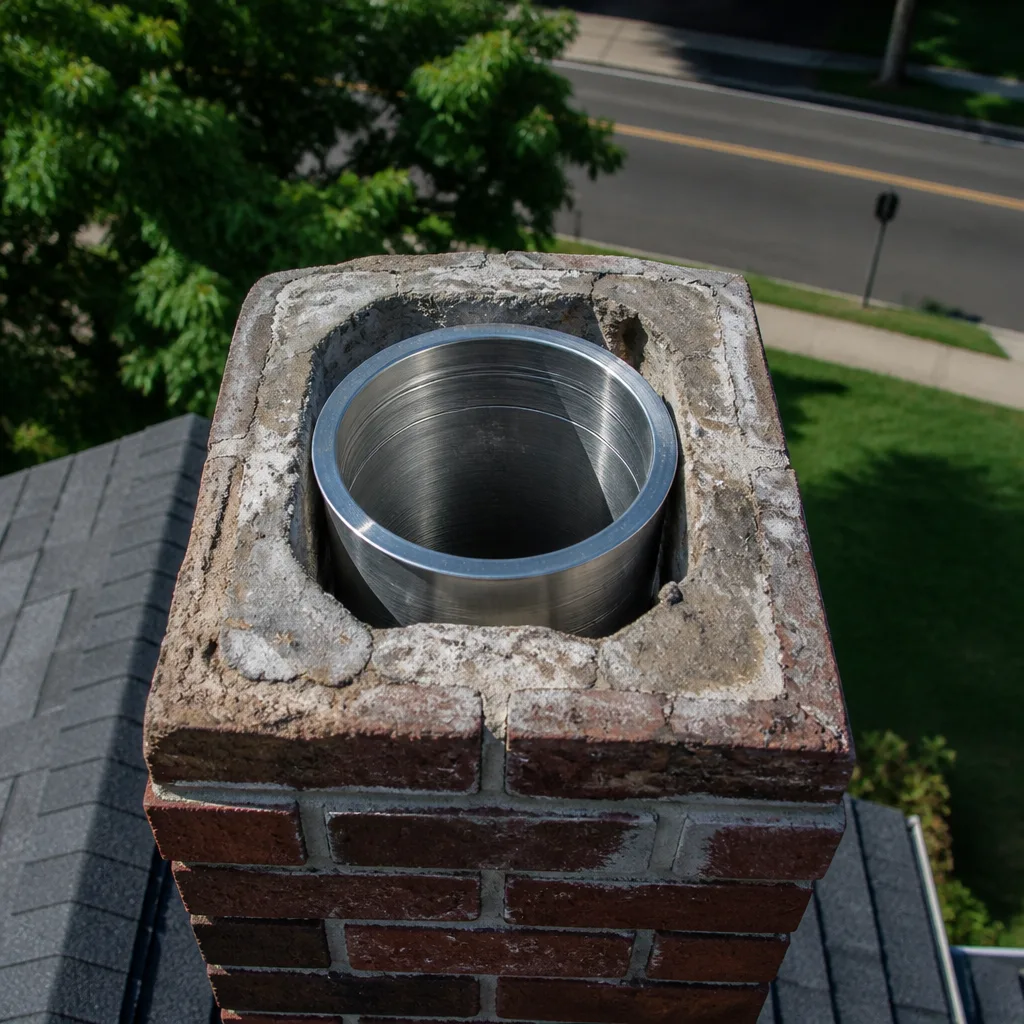
- Flue relining
- Masonry repair
- Gas fireplace service
Table of Contents
- What Different Chimney Odors Tell You
- Reading Smoke Behavior: Puffback, Slow Draft, and Spillage
- Visible Signals: Staining, Efflorescence, and Spalling
- Sounds and Airflow Anomalies
- Urgency Tiers: What’s an Emergency and What Can Wait
- Creosote Odor vs. Moisture Odor: Why the Difference Matters
- Why Highlands Ranch Conditions Accelerate Some Problems
- Symptom-to-Cause Matrix
What Different Chimney Odors Tell You
Chimney odor is a diagnostic tool, not just a nuisance. Three distinct smell profiles point to three different underlying conditions, and treating them the same way wastes money and leaves the real problem in place.
- Musty or damp-earth odor: This usually means moisture is getting into the flue or the masonry. The most common culprit is water entering at the crown or through a missing or damaged cap. Musty smells that get stronger after rain or during spring melt are a water-intrusion signature.
- Acrid, sharp, campfire-strong odor: This points to creosote buildup in the flue, especially glazed creosote that has baked onto the liner walls. The smell intensifies in warm weather when the chimney isn’t drawing, and it can migrate through the house even with the damper closed.
- Sulfuric or rotten-egg smell: This is the least common and the one to take most seriously. It can indicate a dead animal in the flue, a blocked or deteriorated liner allowing combustion byproducts into the structure, or – if you have a gas appliance venting into the chimney – a venting problem that has safety implications. This odor warrants a prompt inspection.
In our experience across Highlands Ranch, the musty category dominates because the area’s dry spells followed by sudden moisture events stress crowns and caps. When the odor is moisture-driven, no amount of sweeping will fix it. The fix is on the exterior: a proper cap and crown. That’s why we inspect before we recommend anything, and why we stock professional-grade cap and crown materials rather than generic hardware-store covers.
Reading Smoke Behavior: Puffback, Slow Draft, and Spillage
How smoke behaves tells you more about your chimney than how it smells. There are three patterns worth learning to recognize, and they sit at very different urgency levels.
- Puffback: Smoke and sometimes soot puff back into the room when you open the stove or fireplace door. This is a pressure and draft failure, and it’s the most urgent smoke symptom. Common causes include a blocked flue, a partially closed damper, negative pressure from a competing exhaust fan, or a flue that’s undersized for the appliance. Stop using the fireplace until it’s diagnosed.
- Slow draft: The fire is sluggish to start, smoke lingers at the firebox opening, and the chimney seems reluctant to pull. This is often a cold-flue issue on a mild morning or a partial obstruction. If it happens consistently, even with a hot fire, get the flue checked for creosote or a bird nest.
- Spillage: Smoke escapes at the firebox into the room rather than up the flue, especially on windy days. In Highlands Ranch, where gusts are common, spillage usually points to a flue height or termination problem, a damaged cap, or a pressure imbalance in the home. It’s a draft geometry issue, and it won’t resolve on its own.
One point worth stating plainly: a chimney’s draft is a pressure system, and the geometry of the flue, the termination height, and the house’s air balance all interact. A short flue, a nearby tree, or a tight modern home can all change how smoke behaves. When you call us, describe the smoke behavior – puffback, slow draft, or spillage – because it narrows the diagnosis before we arrive. A chimney sweep with a camera can then confirm what the smoke was telling us.
Visible Signals: Staining, Efflorescence, and Spalling
What you can see on the exterior of your chimney chase is often the most reliable early warning you get. These signs are easy to dismiss as cosmetic, but on the outside of a chimney they usually aren’t.
- Dark staining or soot streaks: Usually indicates smoke escaping from a damaged flue, a broken crown, or a cap that’s no longer sealing. On the interior of the firebox it can mean the fire is burning poorly. Persistence after cleaning is the key signal.
- White, powdery staining (efflorescence): This is salt drawn to the surface as moisture migrates through the masonry and evaporates. It is not just cosmetic. Efflorescence is evidence that water is moving through the chimney, and over time that migration erodes the mortar. Left alone, it often progresses to spalling.
- Spalling: Flakes of brick face or mortar separating and falling off. This is a structural signal, not a surface one. When the brick face spalls, the masonry is losing material and the chimney’s integrity is compromised. It usually follows untreated efflorescence or a failing crown.
- Rust on the cap or firebox components: Points to moisture intrusion, often from a missing or failing chimney cap. A rusted damper is a common downstream effect.
This is where the Highlands Ranch climate leaves its fingerprint. The area’s dry air and wide swings between warm afternoons and cold nights create a lot of freeze-thaw and wet-dry cycling on masonry. Crowns crack, caps loosen, and water finds the path of least resistance. The good news: when white staining is caught early, the fix is often a crown or cap repair rather than rebuilding. We inspect first and show you the camera evidence, so you can see the difference for yourself.
Sounds and Airflow Anomalies
Your chimney is usually quiet. When it isn’t, the sound is telling you something specific. Here’s how to read the most common noises and airflow problems.
- Scratching, fluttering, or chirping: Almost always animal intrusion. Birds, squirrels, and raccoons find chimneys appealing, especially when the cap is missing or damaged. A blocked flue from nesting material is a real draft hazard and a fire risk.
- Rumbling or roaring that changes pitch: Can indicate a fire that’s drawing harder than it should, often after a flue obstruction clears or when a liner has deteriorated and the fire is no longer venting through the intended path.
- Whistling or a high-pitched draft: Often a cap or termination issue letting air move where it shouldn’t, or a pressure imbalance in the home. It can also signal a flue joint that’s no longer tight.
- Rattling damper: A damper that no longer seats properly is both a draft-efficiency problem and a potential smoke-spillage pathway. It’s a common finding when we inspect firebox components.
- Airflow that feels weaker than it used to: This is the quietest warning sign. A gradual loss of draft can come from creosote accumulation, a partially collapsed liner, or a damper that’s failing. It’s easy to ignore because there’s no obvious noise or smoke – until a camera inspection finds the cause.
Sweeping alone doesn’t fix liner damage, a loose cap, or a jammed damper. That’s why our inspection is diagnostic, not a checkbox. Once we see what’s going on, we can move straight into the right repair, including flue resurfacing with HeatShield when the liner walls need restoration rather than replacement. And when a flue has to be relined, we work with DuraFlex, the type of professional-grade system specified by certified chimney professionals rather than a general contractor.
Urgency Tiers: What’s an Emergency and What Can Wait
Not every warning sign requires the same response. Sorting symptoms into tiers helps you act on the right ones at the right time, without panicking about the rest.
Tier 1 – Stop using the fireplace now
- Puffback of smoke or soot into the room.
- Any sulfuric or rotten-egg smell, especially with a gas appliance.
- Visible smoke spilling into the room during normal burn.
- Spalling brick or a chimney chase that looks unstable.
- Scratching or animal sounds you can’t explain, which may mean a blocked flue.
These are safety signals. A trained professional should diagnose before the fireplace is used again.
Tier 2 – Schedule an inspection soon
- A persistent acrid creosote smell in warm weather.
- Consistent slow draft despite a hot fire.
- A musty odor after rain, or rust on cap or damper parts.
- Efflorescence that’s spreading or reappearing after cleaning.
These usually indicate an active but manageable problem. Left alone, they tend to move into Tier 1.
Tier 3 – Address at your annual service
- Light surface soot and normal odor after a season’s use.
- Occasional smoke spillage only on very cold starts.
- A cap that’s aging but not yet loose.
These are routine maintenance items. We’ll flag them during your sweep and tell you plainly when work can safely wait. Nothing gets recommended without camera evidence you can see for yourself, and the written estimate sets the final price.
Creosote Odor vs. Moisture Odor: Why the Difference Matters
Homeowners often conflate these two smells, but the repair needed is completely different. Getting it right saves money and prevents repeat calls.
Creosote odor is heavy, sharp, and reminds people of a strong campfire or tar. It’s strongest in warm, humid weather when the chimney isn’t drawing, and it often smells worse with the damper shut because the odor migrates through the house. The cause is buildup on the flue walls. The fix is a proper sweep, and if the buildup is glazed, the flue may need resurfacing to restore a smooth, safe liner surface. That’s a case for HeatShield, which restores the flue rather than replacing it in many situations.
Moisture odor is musty and earth-like, and it appears or worsens after rain or snowmelt. The cause is water entering the chase, almost always at the crown or through a missing or failed cap. Sweeping does nothing for it. The real fix is exterior: a chimney cap and crown that seal the top of the system. This is the number-one source of chimney water damage we see, and it’s why cap and crown installation is one of our core services.
A useful field test: if the smell fades in dry weather and returns after precipitation, you’re likely dealing with moisture. If it’s worst when the chimney is cold and humid, and there’s a sharp tarry note, you’re likely looking at creosote. Both warrant an inspection, but they point to different work.
Why Highlands Ranch Conditions Accelerate Some Problems
Chimneys in Highlands Ranch live in a specific environment, and a few local conditions make some warning signs show up sooner than they might elsewhere.
- Wide day-to-night temperature swings: The cycling between warm afternoons and cold nights drives freeze-thaw and wet-dry movement on masonry, which accelerates crown cracking and mortar wear. White staining on the chase is common here for that reason.
- Dry air with occasional heavy moisture: Long dry stretches followed by snow or rain push water into cracks that formed during the dry season. Catching exterior damage before the wet season matters.
- Wind exposure: Gusts interact with chimney termination height and nearby trees, which makes smoke spillage on windy days a familiar complaint. A flue height, cap, or termination problem often shows up here first.
- Burning season urgency: Highlands Ranch homeowners tend to think about the fireplace as cold weather arrives. Scheduling a sweep before the first cold snap is better than waiting until the symptoms become urgent.
We serve Highlands Ranch homeowners as our primary focus, and the chimney problems here have a local signature. When you call, we can talk through what you’re seeing before we ever arrive. Our technicians have up to 8 years of experience, and we handle inspection, cleaning, fireplace repair, chimney repair, and cap and crown work under one company. That matters when a warning sign turns out to be more than one issue at once: one specialist, start to finish, instead of a sweep company handing you off to a separate repair contractor.
Symptom-to-Cause Matrix
Use this table as a quick reference when you notice something off. It maps the most common symptoms to likely causes and the level of response they call for. It’s a starting point, not a diagnosis – a camera inspection settles the question.
- Musty odor after rain: Likely moisture intrusion at crown or cap. Tier 2.
- Acrid or tarry smell in warm weather: Creosote buildup. Tier 2, and a sweep is due.
- Sulfuric or rotten-egg smell: Blocked flue, deteriorated liner, or gas venting problem. Tier 1.
- Puffback of smoke or soot: Draft or pressure failure, obstructed flue. Tier 1.
- Slow, sluggish draft: Obstruction, creosote, cold flue, or damper issue. Tier 2.
- Smoke spillage on windy days: Flue height, termination, cap, or pressure problem. Tier 2.
- White powdery staining on chase: Efflorescence from moisture migration. Tier 2 to Tier 3 depending on spread.
- Flaking brick or mortar: Spalling and structural wear. Tier 1.
- Rust on cap or damper: Moisture intrusion. Tier 2.
- Scratching or chirping sounds: Animal intrusion, blocked flue. Tier 1.
- Rattling damper: Failing damper, draft issue. Tier 2 to Tier 3.
- Weakened draft over time: Gradual creosote, liner damage, or damper failure. Tier 2.
Common Mistakes to Avoid
- Painting over white staining instead of finding the water source. Efflorescence will return, and the moisture keeps working through the masonry behind the paint. The fix is at the top, not on the surface.
- Assuming a musty smell means you just need a sweep. A sweep won’t fix water coming in through the crown. If the smell returns after rain, the problem is exterior.
- Ignoring a loose or missing cap because the fireplace still works. The cap is the simplest protection against the most common cause of chimney water damage. Skipping it is the most expensive shortcut here.
- Treating slow draft as a minor annoyance. A weak draft can be the first sign of a partial obstruction or a liner issue, and it tends to get worse rather than better. In Highlands Ranch, where a lot of homes have wind exposure, the line between “normal cold-start” and “real draft problem” is worth a camera check.
- Using a hardware-store cap or patch kit for a structural fix. We work with Famco and Copperfield materials because they’re the professional-grade products specified by certified chimney professionals, and they’re made to seal a chase – not to look like a fix.
- Waiting until burning season to inspect. The best time to find warning signs is before they turn into a reason not to light a fire. A fall sweep catches problems when there’s time to plan the repair.
- Hiring a sweep-only company for a repair problem. When the symptom points to liner damage or structural wear, a sweep without repair capability just hands you a new problem. One specialist for the whole system avoids the handoff.
See the difference
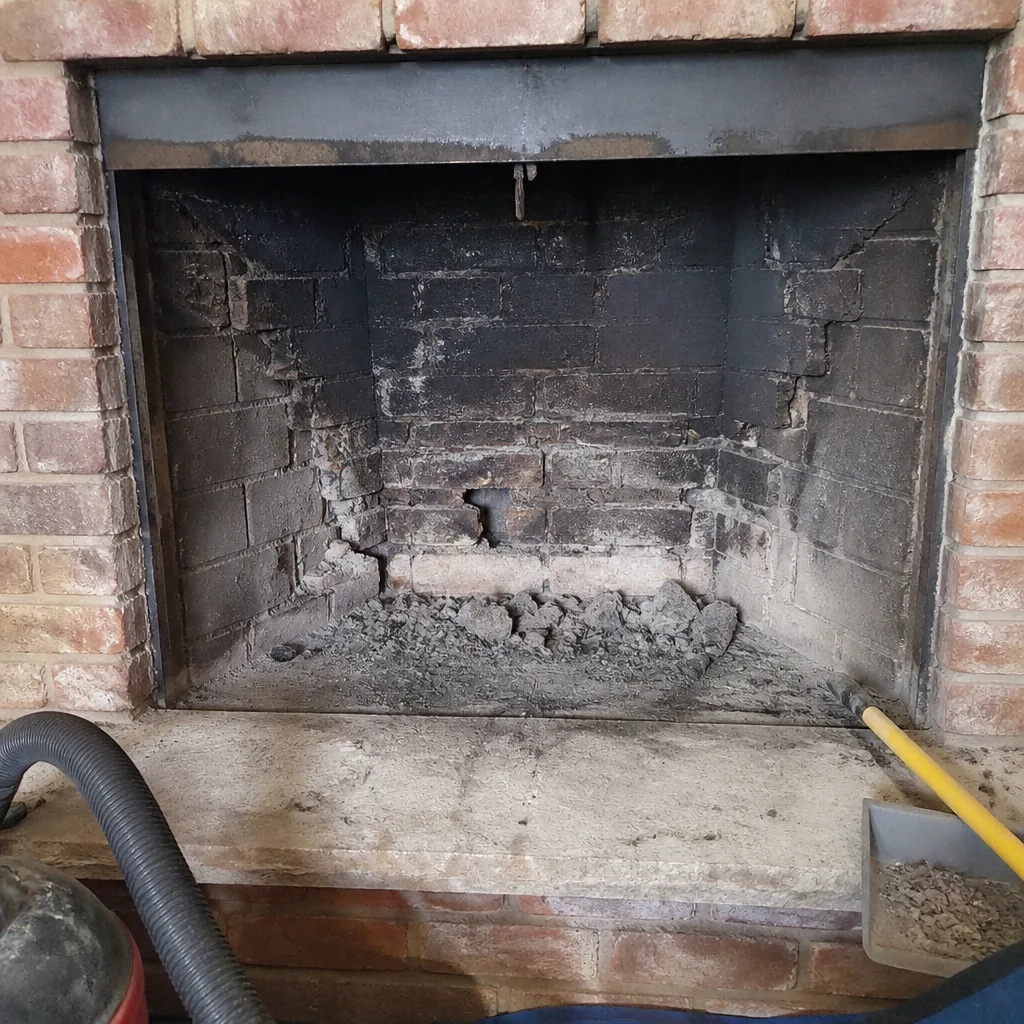 Before
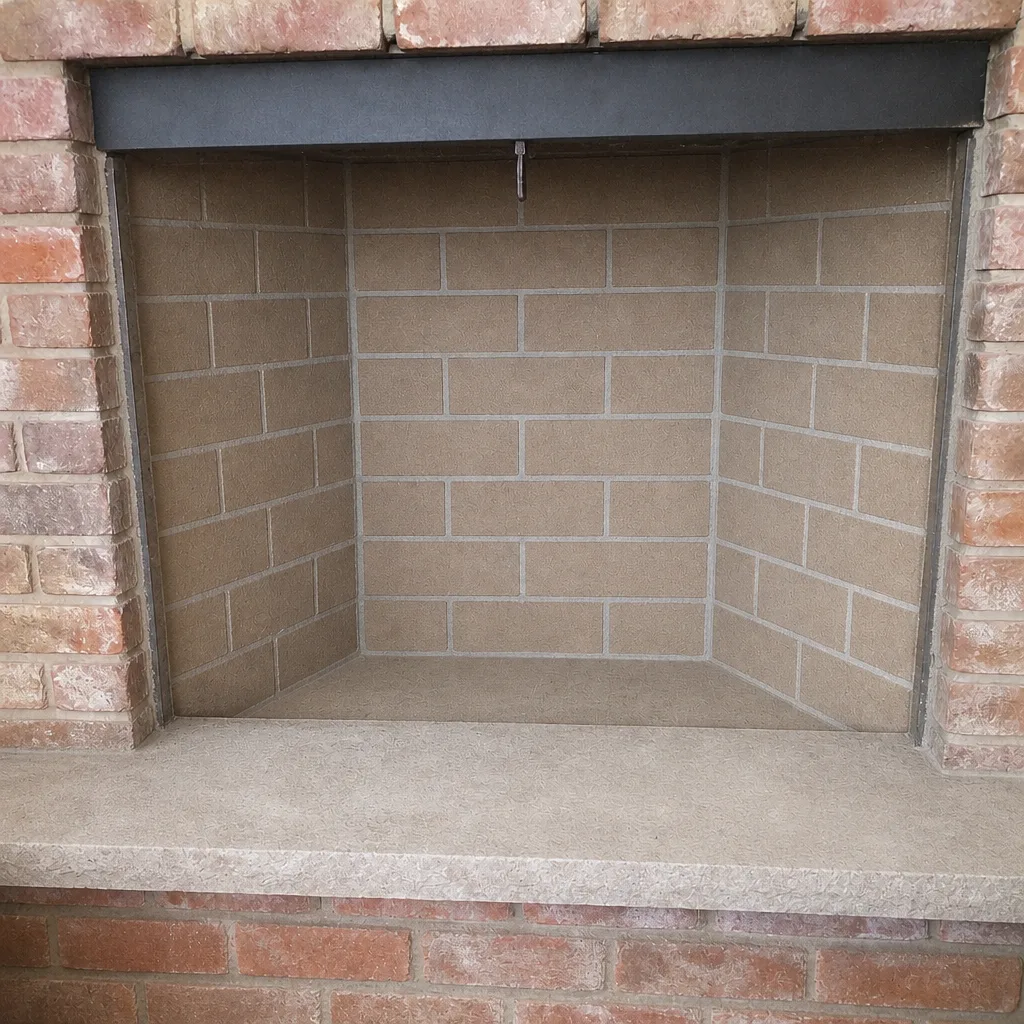 After
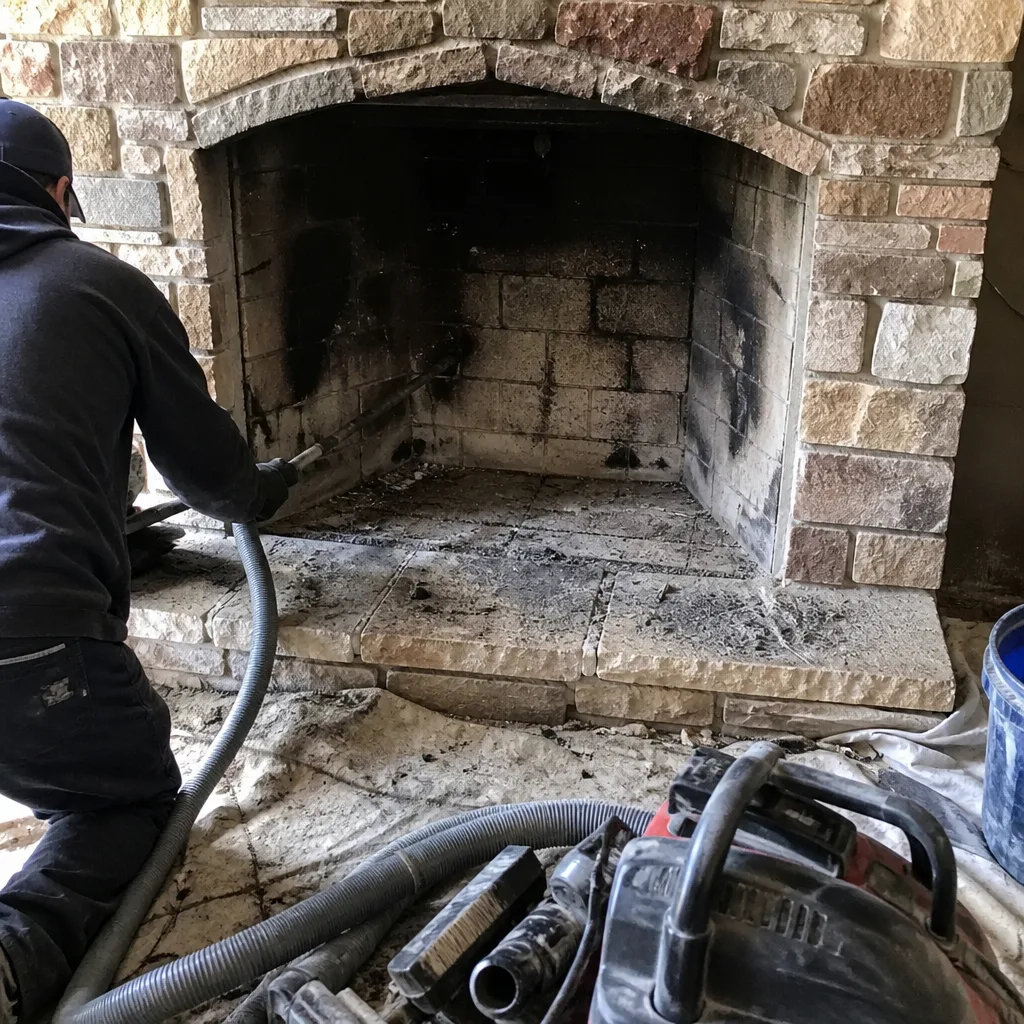 Before
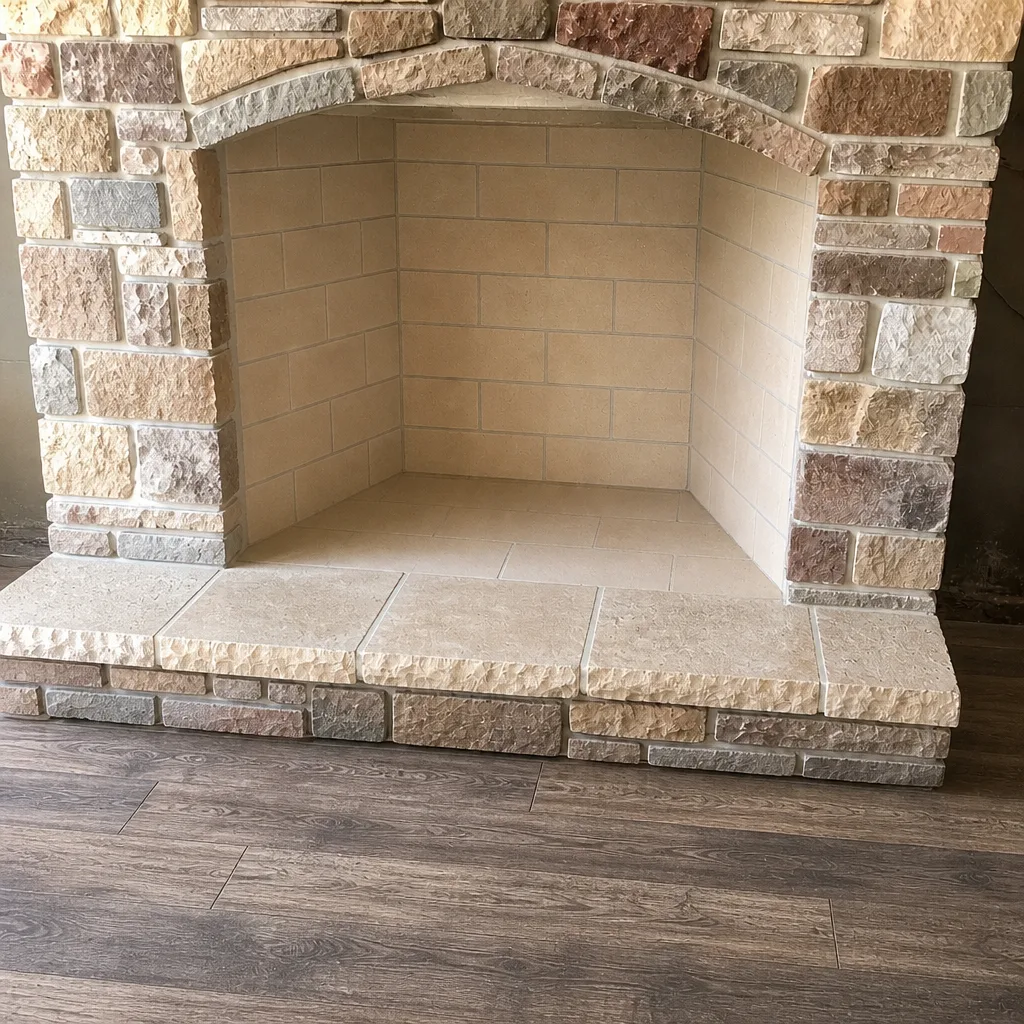 After
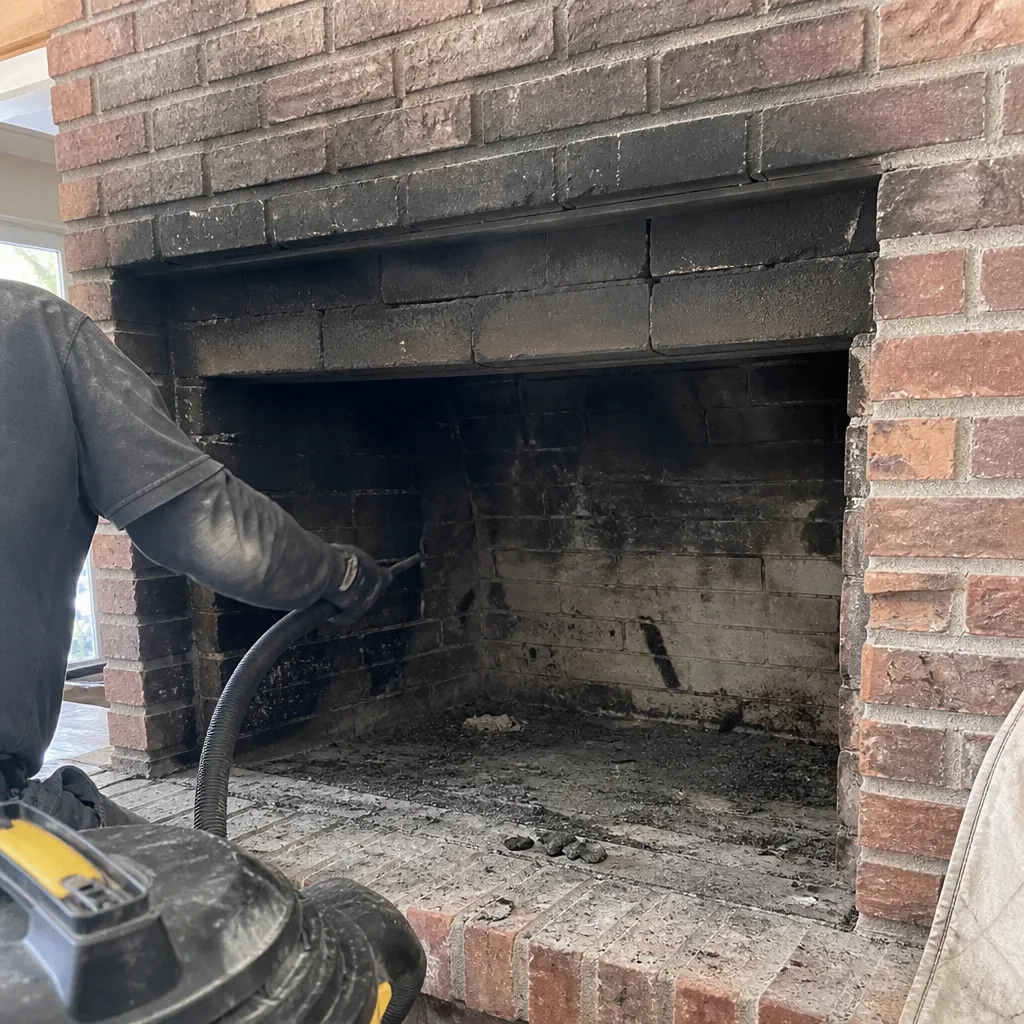 Before
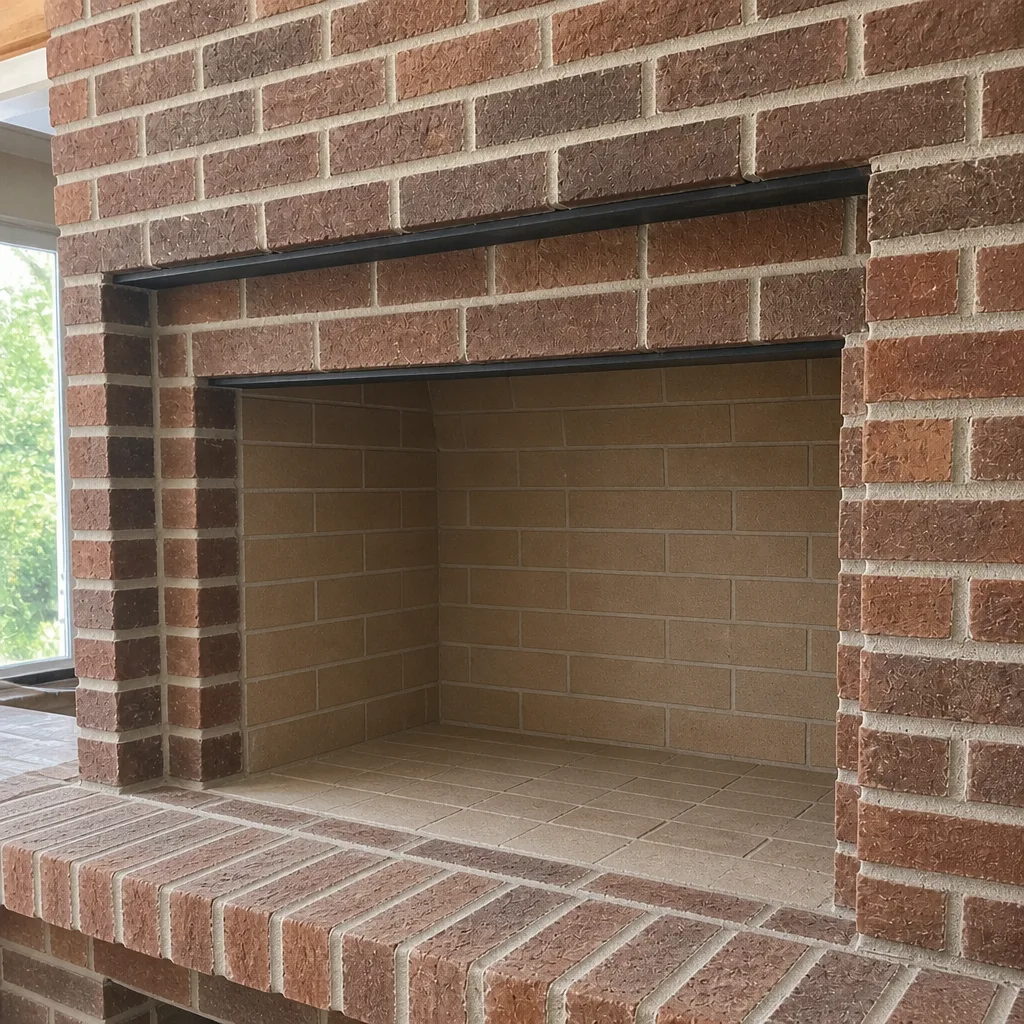 After
When to Call a Professional
Call a professional when any Tier 1 signal shows up: puffback, sulfuric odor, spalling brick, or animal sounds in the flue. Call when a Tier 2 sign repeats rather than fading – a musty smell after every rain, slow draft that persists with a good fire, or white staining that keeps coming back after cleaning. Call when you’re not sure which tier a symptom falls into; that’s what the inspection is for. And call for a routine annual sweep and inspection, so the warning signs get read before they become emergencies. We answer 24/7. Fast dispatch from 7am to 7pm, Sunday through Friday. Highlands Ranch Chimney Sweep offers free estimates in Highlands Ranch – call (833) 482-6314.
Frequently Asked Questions
Smoke or soot puffing back into the room, a sulfuric or rotten-egg smell, spalling brick on the chase, and unexplainable scratching sounds in the flue are the most serious. These all point to a blocked or compromised flue, a venting problem, or structural wear. Stop using the fireplace until a professional diagnoses it. Call (833) 482-6314 for an exact quote – estimates are free.
Creosote has a sharp, tarry, campfire note and is worst in warm, humid weather or when the chimney is cold. Moisture has a musty, earth-like odor that appears or worsens after rain or snowmelt. The distinction matters because creosote calls for a sweep and possibly flue resurfacing, while moisture calls for a cap and crown repair.
White, powdery staining (efflorescence) means water is migrating through the masonry and evaporating at the surface, leaving salt behind. It’s evidence of active moisture intrusion, not a cosmetic issue. Left alone, it often leads to spalling, where brick and mortar start flaking off. A cap and crown inspection is the place to start.
Occasional spillage on a very cold start can happen as a cold flue warms up. Consistent spillage, especially on windy days, is not normal. In Highlands Ranch, wind exposure often reveals a flue height, termination, or cap problem that shows up only under specific conditions. If spillage happens more than once, get it inspected.
A chimney used for wood burning should typically be swept and inspected once a year, and more often if you burn heavily or notice warning signs between services. Gas fireplaces still benefit from an annual inspection, even though there’s no creosote to sweep. Scheduling before burning season is the practical approach here.
Yes, if the old cap is loose, rusted, or missing. A cap keeps water, animals, and debris out of the flue, and it’s the simplest protection against the most common source of chimney water damage. We install caps and crowns with Famco and Copperfield products because they’re built to seal the top of the system, not just cover it. Call (833) 482-6314 for an exact quote – estimates are free.
The Bottom Line
Most chimney warning signs show up long before a system becomes dangerous. The skill is knowing which ones to act on: puffback, sulfuric odor, spalling brick, and animal sounds are stop-and-call signals, while musty smells, slow draft, and white staining are schedule-it-soon problems. In Highlands Ranch, the dry air, temperature swings, and wind exposure make exterior damage and draft complaints especially common, which is why the outside of the chimney is worth a look every year. We inspect before we recommend, show you the camera evidence, and give you a written estimate that sets the final price. If you’re seeing any of these signs, call (833) 482-6314. We answer 24/7. Fast dispatch from 7am to 7pm, Sunday through Friday.
Written by the team at Highlands Ranch Chimney Sweep.