
Last updated November 25, 2026
 Sweep & inspection
 Caps & crowns
 Flue relining
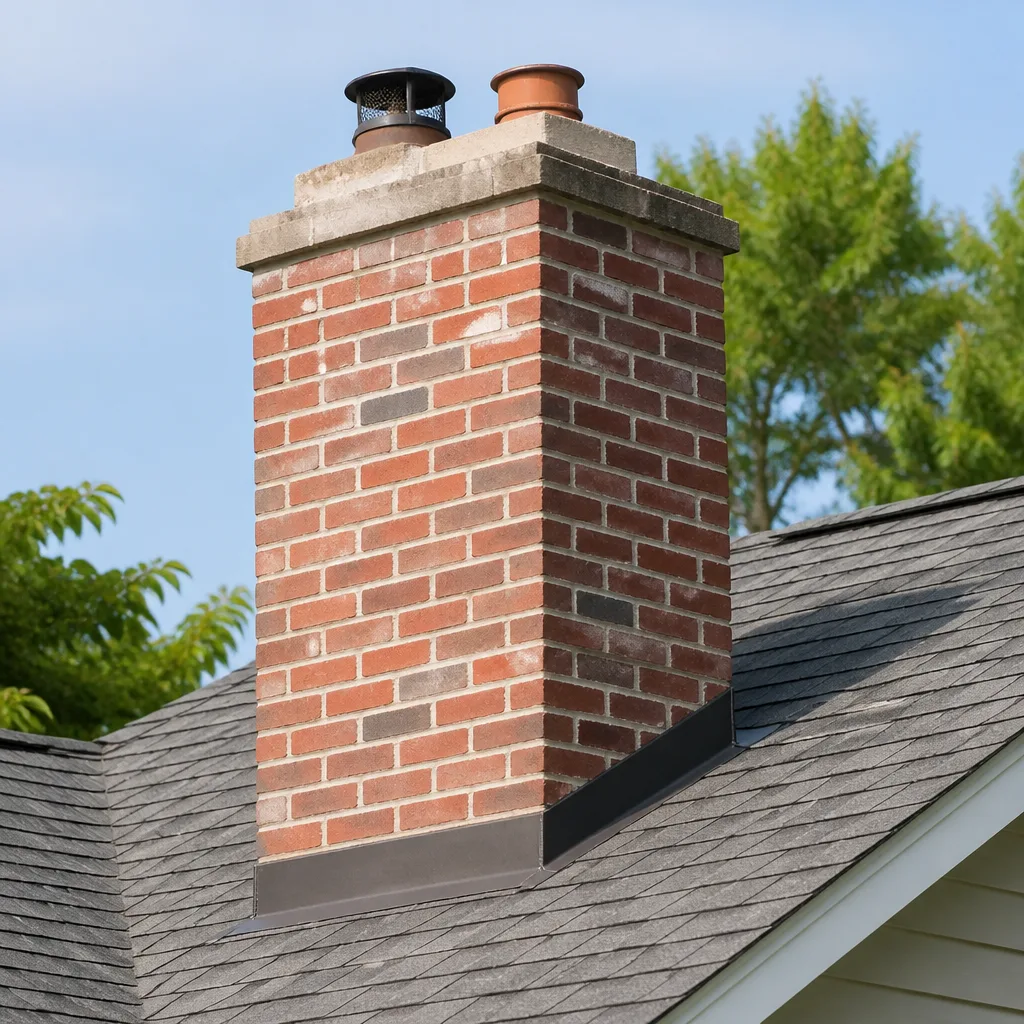 Masonry repair
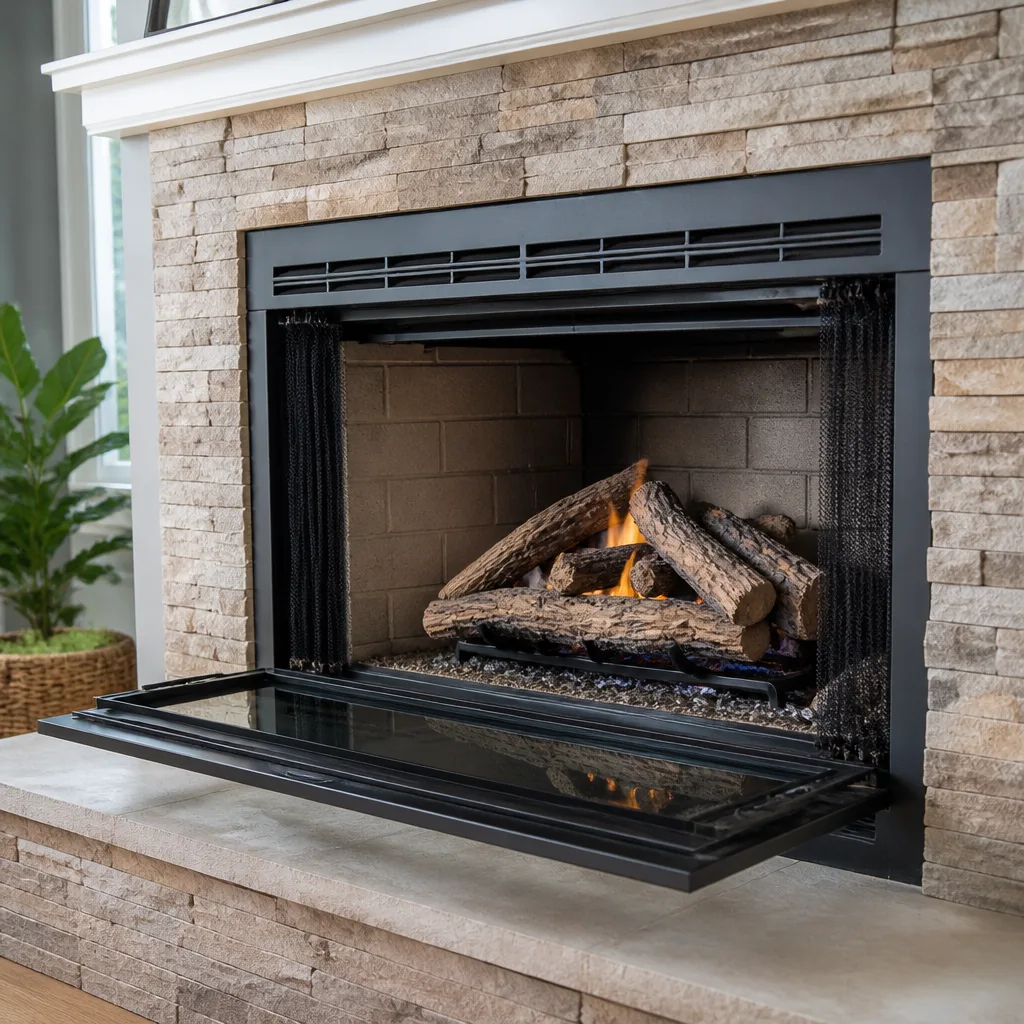 Gas fireplace service
Level 1 sweep and inspection to the NFPA 211 annual standard - flue, crown, cap, and flashing checked and photographed
Chimney sweep logs do not sweep chimneys. They loosen some creosote - which then falls where a brush and vacuum still have to collect it.
DIY vs Professional Chimney Cleaning: The Highlands Ranch Homeowner’s Decision Guide
You can buy a chimney brush kit for about $60 and pull surface soot out of your flue yourself. That part is true, and we won’t pretend otherwise. But brushing removes what you can see. It doesn’t tell you whether Stage 2 creosote is glazed to the liner walls, whether a hairline crack opened over the summer, or whether your draft has quietly gone soft. Those are the findings that matter, and they don’t announce themselves to an untrained eye. This guide walks through what DIY chimney work actually accomplishes, what it misses, and how to decide which path makes sense for your Highlands Ranch home.
Quick Answer
DIY chimney brushing is physically doable for many homeowners, but it only removes loose soot and light creosote from the flue you can reach. It cannot identify Stage 2 or Stage 3 creosote, catch liner cracks, test draft, or verify gas pressure on a gas appliance. Professional cleaning pairs the brushing with a trained inspection, a camera look at the flue, and a written report, which is the part that protects your home and your insurance claim.
Styles & brands we work with
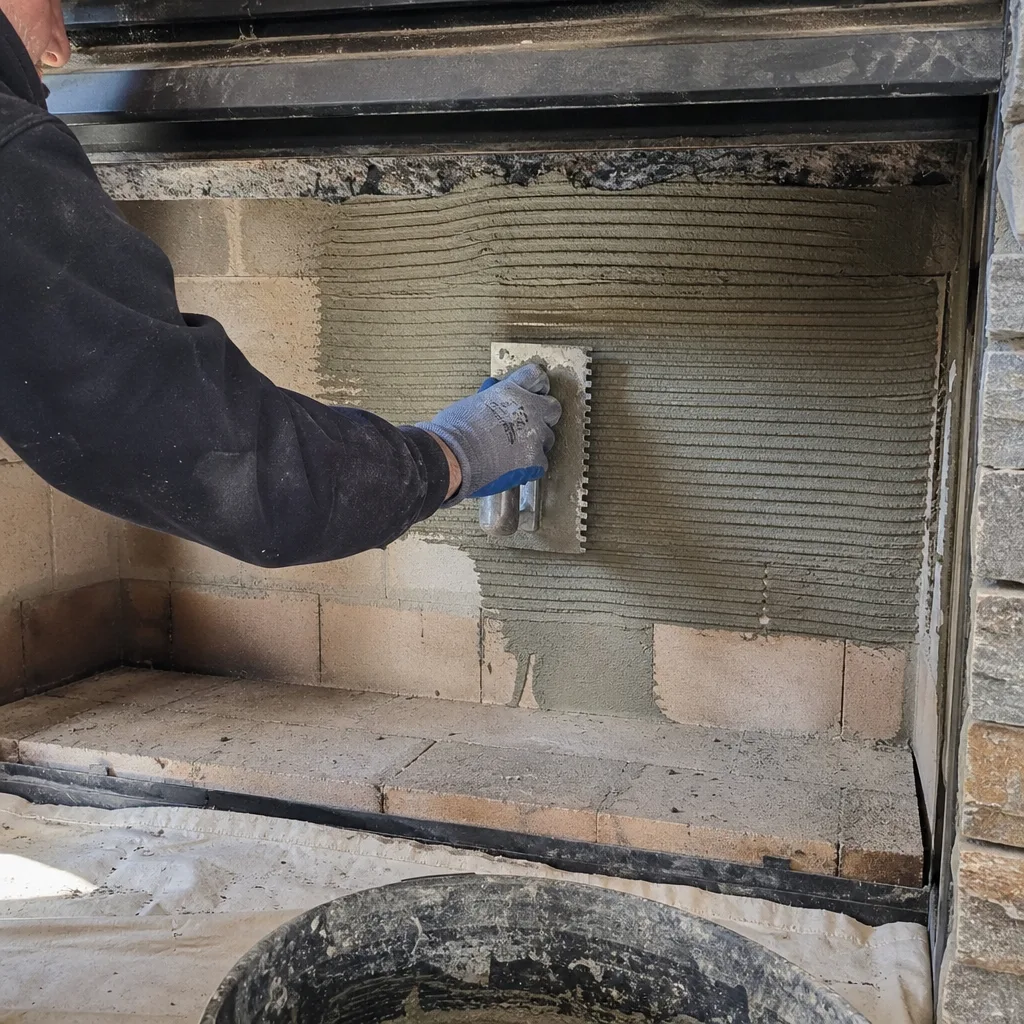
- Sweep & inspection
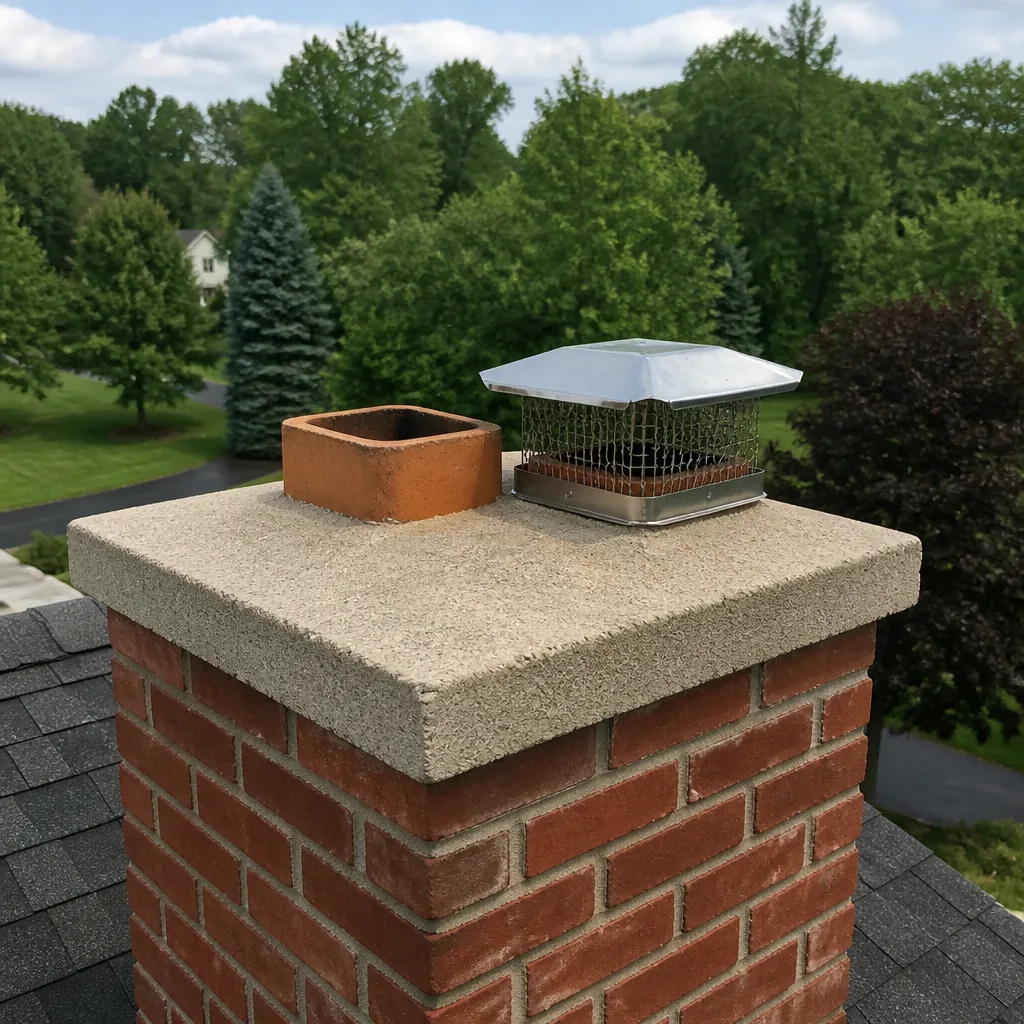
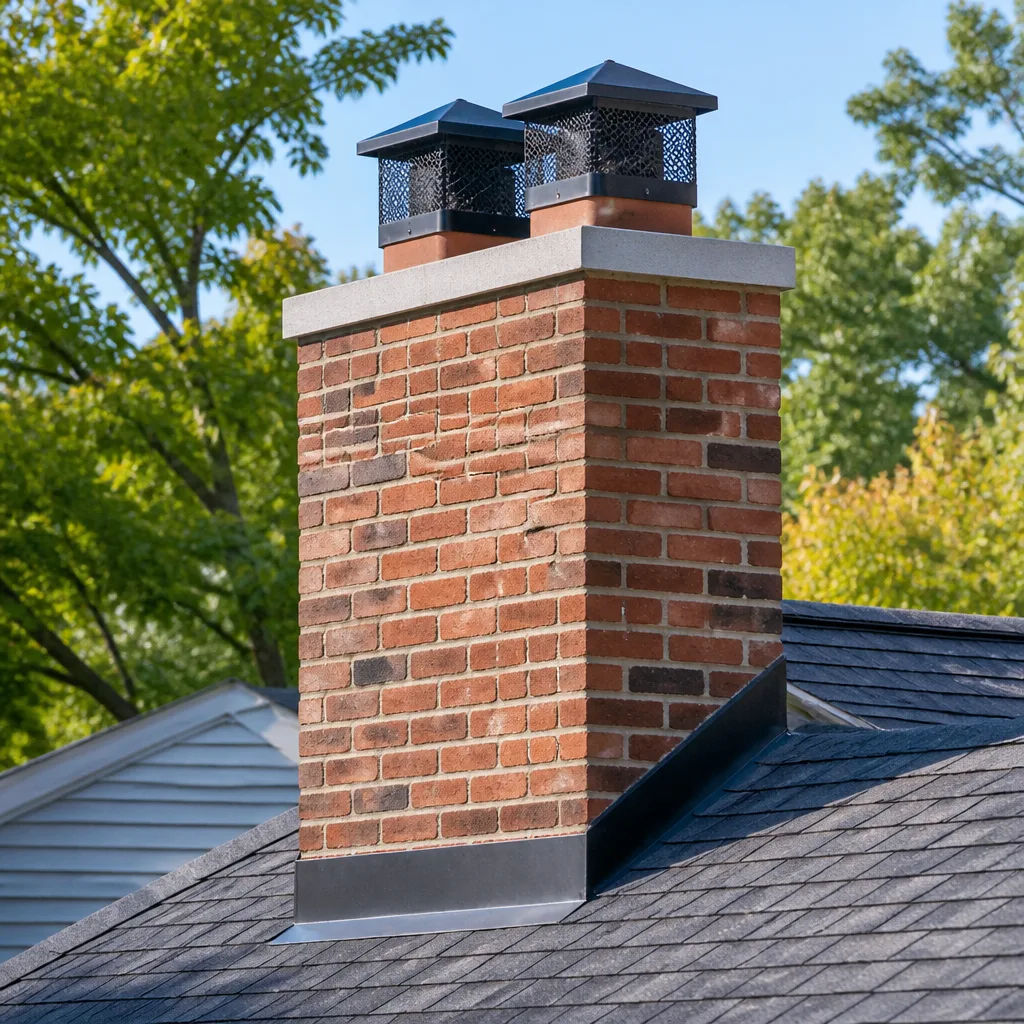
- Caps & crowns
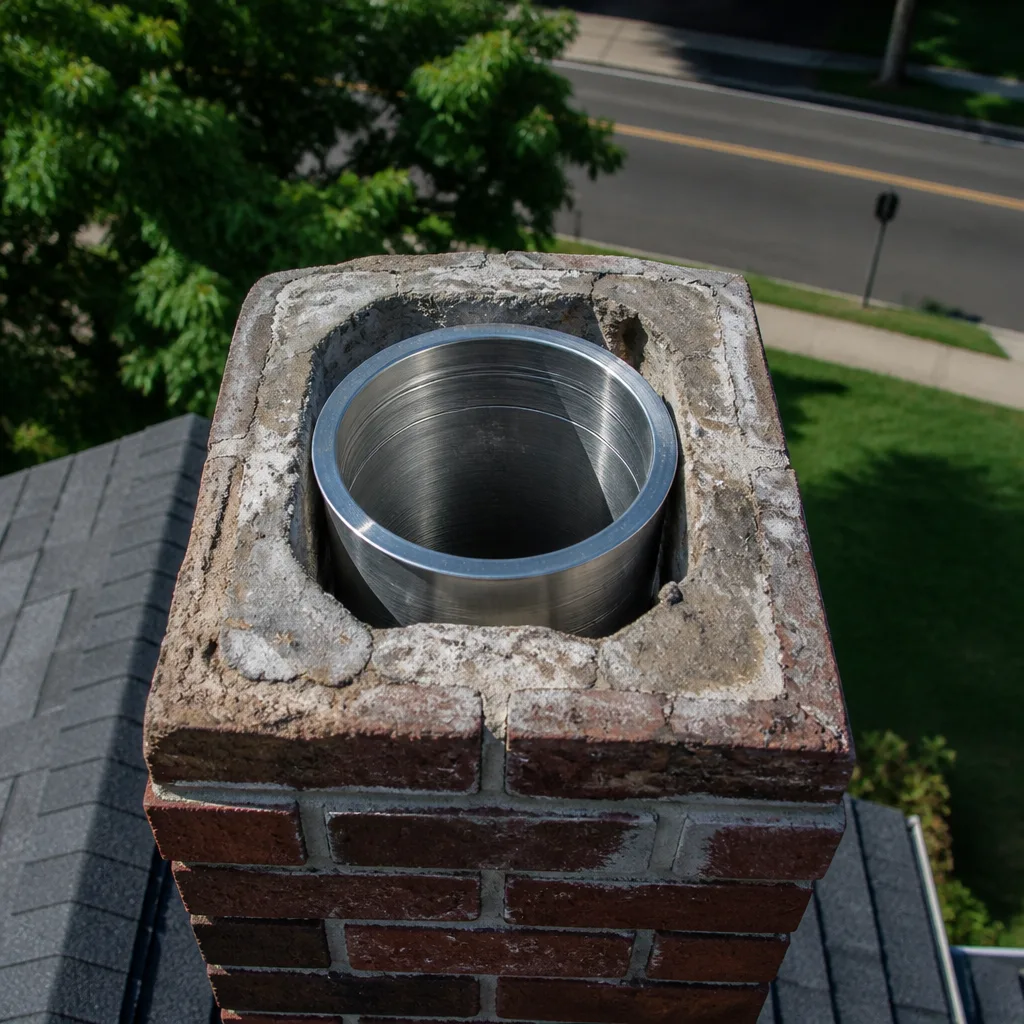
- Flue relining
- Masonry repair
- Gas fireplace service
Table of Contents
- What DIY Chimney Brushing Actually Accomplishes
- Creosote Stages: What You Can and Can’t See
- The Equipment Gap: What Professionals Bring
- Colorado Insurance and Liability: What DIY Work Can Cost You
- When DIY Genuinely Makes Sense: Safe Between-Season Checks
- How a Money-Saving DIY Sweep Can Defer a Bigger Problem
- Highlands Ranch Climate and Chimney Behavior
- How to Evaluate a Professional Chimney Service
What DIY Chimney Brushing Actually Accomplishes
A homeowner with a brush, rods, a shop vacuum, and a drop cloth can remove a meaningful amount of loose soot from a straight flue. On a masonry chimney with a simple vertical run, brushing top-down or bottom-up will knock down the soft, fluffy creosote that accumulates after a season of fires. That’s not nothing. Soft soot is abrasive, it smells, and it restricts flow a little.
Here’s what a DIY brush pass will not do:
- Reach offsets, smoke shelves, or the top of the firebox where creosote collects in corners a straight brush skips over
- Detect glazed creosote bonded to the flue wall, which a nylon or poly brush slides right past
- Reveal cracks, spalling, or gaps in a clay tile liner or a metal liner seam
- Check the chimney cap, crown, flashing, or mortar joints for water intrusion
- Test draft, measure carbon monoxide spillage, or verify gas pressure on a gas log set
- Produce a written record that satisfies an insurance adjuster after a chimney fire
The brush does the cleaning. The inspection is what protects the home, and that’s what a professional adds to the visit. In Highlands Ranch homes with wood-burning fireplaces that see regular winter use, a DIY pass might pull out a coffee can of soot and leave the actual risk untouched.
Creosote Stages: What You Can and Can’t See
Creosote forms when wood smoke cools against the flue walls and condenses. It builds in three recognizable stages, and the difference between them determines whether a brush works or a rotary tool is required.
- Stage 1 – soot and light flake. Soft, dusty, easily brushed away. This is the stage most DIY sweeps reach. A brush and vacuum handle it.
- Stage 2 – hardened crust. Bonded to the flue wall, often in patches or rings. A hand brush skips over it. A rotary cleaning system with a poly or wire head is what removes it, and it takes pressure and control to do without damaging the liner.
- Stage 3 – glazed, tar-like coating. The most combustible form, and the hardest to remove. Glazed creosote often requires chemical treatment before mechanical removal, and in severe cases the liner needs replacement.
From the firebox looking up, Stage 1 and Stage 2 can look similar through a flashlight beam. A trained technician identifies the stage by texture, color, location on the flue wall, and the sound the tool makes as it passes. That identification is what drives the recommendation. A homeowner who brushes away the visible soot and calls it done has no way to know a Stage 2 ring is sitting above the smoke chamber.
The Equipment Gap: What Professionals Bring
The tool difference between a homeowner kit and a professional setup is significant. It’s not about having better brushes. It’s about having diagnostic instruments that only make sense for someone doing this work repeatedly.
A professional sweep carries:
- A rotary cleaning system with interchangeable heads for different liner types and creosote stages
- A chimney camera on a flexible rod to see the length of the flue, including offsets and the smoke chamber
- A draft gauge to measure how well the chimney is pulling combustion gases up and out
- A gas pressure tester and combustion analyzer for gas fireplaces and log sets
- A moisture meter to check firewood and masonry
- HEPA-grade vacuums rated for fine soot, so the house stays clean during the sweep
- Mirrors, drop cloths, and repair materials from trade brands like HeatShield, Gelco, and Olympia Chimney
A homeowner can buy some of this gear. But a chimney camera with the resolution to spot a hairline liner crack, a draft gauge, and a combustion analyzer together cost more than several decades of professional sweeps, and none of them help if you don’t have the trained eye to interpret what they show. That’s the real gap. The equipment is a means; the diagnosis is the value.
Colorado Insurance and Liability: What DIY Work Can Cost You
Homeowner insurance policies in Colorado vary in how they handle chimney damage, but some patterns hold. Insurers commonly ask for documentation of chimney maintenance when a claim involves a chimney fire. A receipt from a professional sweep with a written inspection report is straightforward evidence. A do-it-yourself sweep leaves no record, and the adjuster has nothing to work with.
There’s a second layer worth understanding. If a homeowner performs work on a chimney and a later fire or carbon monoxide event traces back to that work – say, a liner damaged during brushing, or a cap knocked loose and left off – the insurer may scrutinize the claim more closely. That doesn’t mean DIY is inherently uninsurable. It means the paper trail matters, and the absence of professional documentation puts the burden of proof on the homeowner after the fact.
If you have any doubt about the condition of your flue, the cost of a professional inspection and chimney sweep is small next to the claims headache. A written report from a qualified sweep is the record your insurer is looking for.
When DIY Genuinely Makes Sense: Safe Between-Season Checks
We’re not going to tell Highlands Ranch homeowners they can’t look at their own chimney. Between professional visits, a few simple visual checks are safe, useful, and worth doing.
- Look up from the firebox with a flashlight. You’re looking for soot buildup, visible creosote, shiny glazed patches, or anything that looks like a crack in the firebrick. You are not trying to reach the flue with a tool.
- Check for creosote smell in the house when the fireplace isn’t in use. A persistent smoky smell on warm days often signals a draft problem, a missing cap, or a blocked flue.
- Open the damper and confirm it moves freely. A stuck damper is a sign something inside needs attention.
- Look at the exterior of the chimney and cap from the ground. Cracked mortar, a missing cap, or a leaning crown are all visible without climbing.
- Watch the fire behavior. Smoke rolling into the room, a fire that’s hard to start, or a noticeable drop in draft are reasons to call, not reasons to keep burning.
What these checks don’t replace is the annual sweep and inspection. Visual checks from the firebox catch gross problems, not subtle ones. Think of them as the equivalent of glancing at your tire pressure, not replacing a rotation and alignment.
How a Money-Saving DIY Sweep Can Defer a Bigger Problem
The trickiest cost of a DIY sweep isn’t the brush kit. It’s what a homeowner doesn’t find. A Stage 2 creosote ring left on the flue wall doesn’t disappear between seasons. It grows. Glazed creosote that could have been chemically treated and brushed out in the fall sometimes requires liner replacement by the following spring.
A small liner crack that a camera would have caught early can widen over a Colorado winter with its freeze-thaw cycles. Water that gets past a failing crown can rot the mortar, rust the damper frame, and soak the smoke chamber. Each of these issues has a small fix now and an exponentially larger fix later.
Here’s how to think about it. When you DIY a chimney sweep, ask one question: what am I not seeing? If the answer is “I don’t know,” that’s the signal to book a professional inspection. In our experience, most homeowners who call us after a DIY season are calling because of something they felt, smelled, or saw during the next fire – not because the brush failed. The brush did its job. The diagnosis didn’t happen.
Highlands Ranch Climate and Chimney Behavior
Chimneys in Highlands Ranch deal with a specific set of conditions that shape how creosote forms and how the masonry ages. The combination of cold winters, dry summers, and rapid temperature swings through spring and fall drives both combustion behavior and structural wear.
A few local factors worth understanding:
- Cold starts and cool flues. When a fire lights in a cold flue, the first several minutes of smoke condense heavily on cool flue walls. That’s the creosote-forming window, and it happens on every fire during Highlands Ranch’s cold months.
- Rapid freeze-thaw. Masonry chimney crowns and mortar joints swell and shrink with the swing between warm afternoons and freezing nights. Cracks that open in late winter are often the entry point for summer rain.
- Dry wood and quick hot fires. Well-seasoned firewood burns hot and clean, which produces less creosote. Poorly seasoned wood produces more. We see both, and the difference shows up in the flue.
- Hail and wind. A chimney cap that survives a Front Range hailstorm without damage is a durable one. Caps that dent or lift let water in, which is the source of most chimney damage we find in Highlands Ranch.
None of this makes Highlands Ranch chimneys uniquely dangerous. It does mean the annual inspection is doing real work, and it’s why we don’t recommend skipping it even when the fireplace gets light use.
How to Evaluate a Professional Chimney Service
If you’ve decided professional service is the right call, the next question is how to choose one. The chimney trade has a wide range of quality, and the differences matter. Here’s what to look for.
- Do they inspect before they recommend? A sweep that brushes and hands you a list of “necessary” repairs without camera evidence is asking you to take their word. Ask to see the photos.
- Do they carry chimney cameras? A true inspection includes a look at the flue with a camera. Without it, cracks and creosote stages are guesses.
- Do they use trade-grade repair materials? Ask which brands they stock. HeatShield is the industry-recognized flue resurfacing system. DuraFlex and Olympia Chimney are professional liner brands. A company that works with these has access to materials that aren’t on the shelf at a general hardware store.
- Can they handle the full system? Sweeping, inspection, fireplace repair, chimney repair, and cap and crown work under one roof eliminates the handoffs that cause mistakes.
- Are they a specialist? A general home-services company that offers chimney sweeping alongside gutter cleaning and pressure washing is less likely to catch subtle flue problems than a dedicated chimney company.
At Highlands Ranch Chimney Sweep, our whole scope is chimney and fireplace work. We inspect before we recommend, we show camera photos with the report, and we work with trade brands like HeatShield, Gelco, and Famco because they’re built to last, not patched to pass. Our technicians have up to 8 years of experience, and every repair we do starts with a diagnostic inspection rather than a checklist.
Common Mistakes to Avoid
These are the missteps we see most often from Highlands Ranch homeowners who try to manage their chimney themselves, and they’re all avoidable with the right approach.
- Brushing without inspecting first. Hitting the flue with a brush before knowing the creosote stage can push glazed creosote into tighter corners instead of removing it. Look first, then clean.
- Assuming “no visible smoke” means “no problem.” A liner crack or an early-stage creosote ring may not show as smoke in the room. The camera is what catches it.
- Climbing onto the roof without fall protection. More than a few DIY chimney attempts end with a trip to urgent care. Roof work on a Highlands Ranch home is a professional job.
- Using a wire brush on a metal liner. Wire brushes score the liner surface and accelerate corrosion. Line type determines brush type, and that’s a decision that shouldn’t be guessed.
- Skipping the crown and cap because they “look fine” from the ground. Water damage is the most common chimney problem we find in Highlands Ranch, and it starts at the top of the chimney, not the bottom.
- Treating a gas fireplace as maintenance-free. Gas fireplaces need periodic inspection of the venting, the burner, and the gas pressure. Skipping this risks carbon monoxide spillage.
- Doing repairs based on a phone quote. No chimney repair should be quoted without an in-person inspection. If someone quotes you without looking, that’s a warning sign.
See the difference
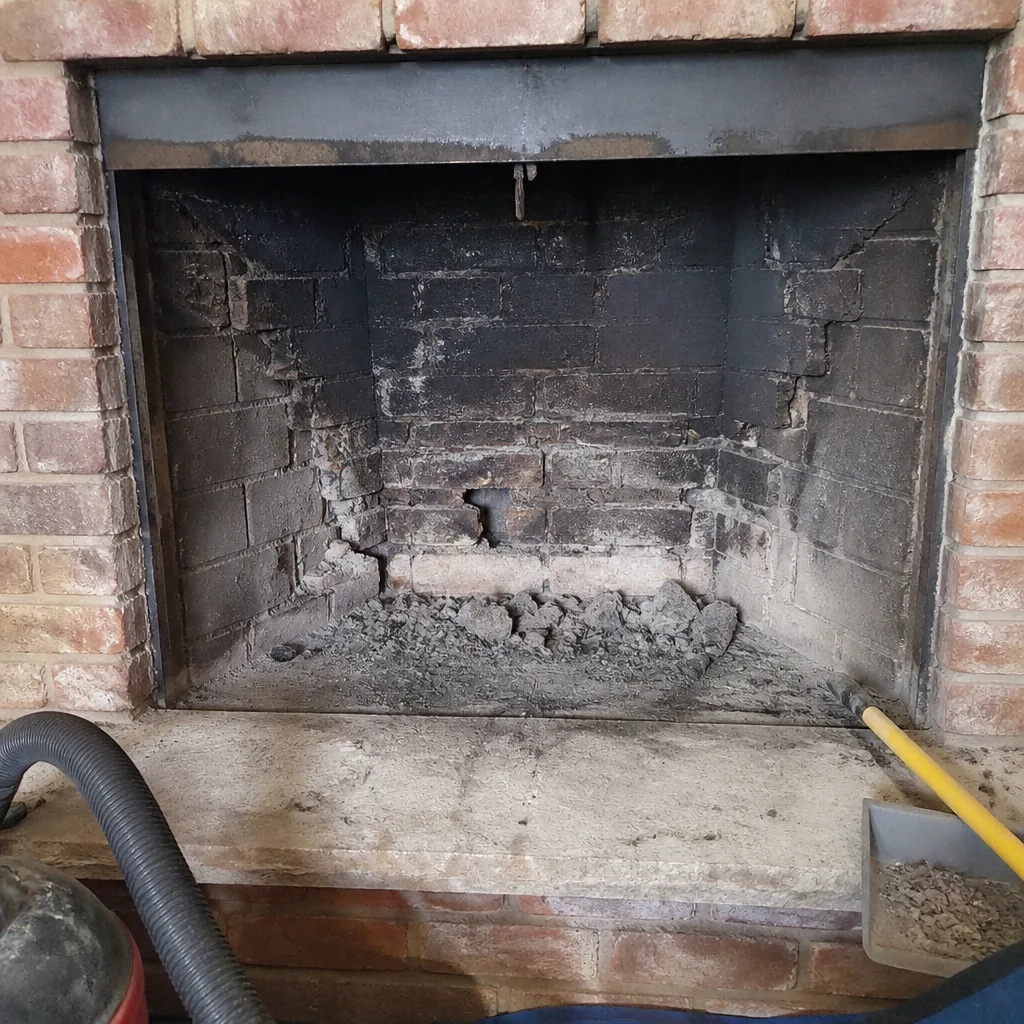 Before
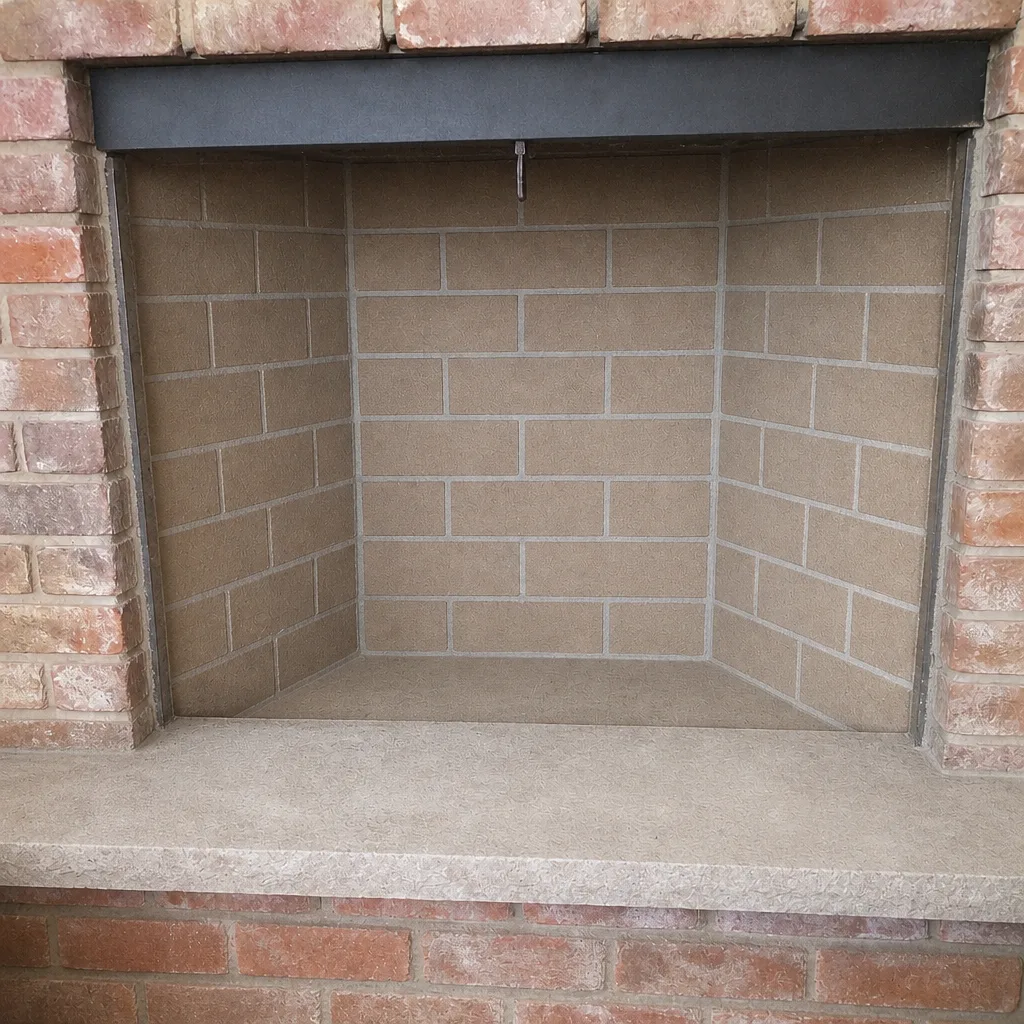 After
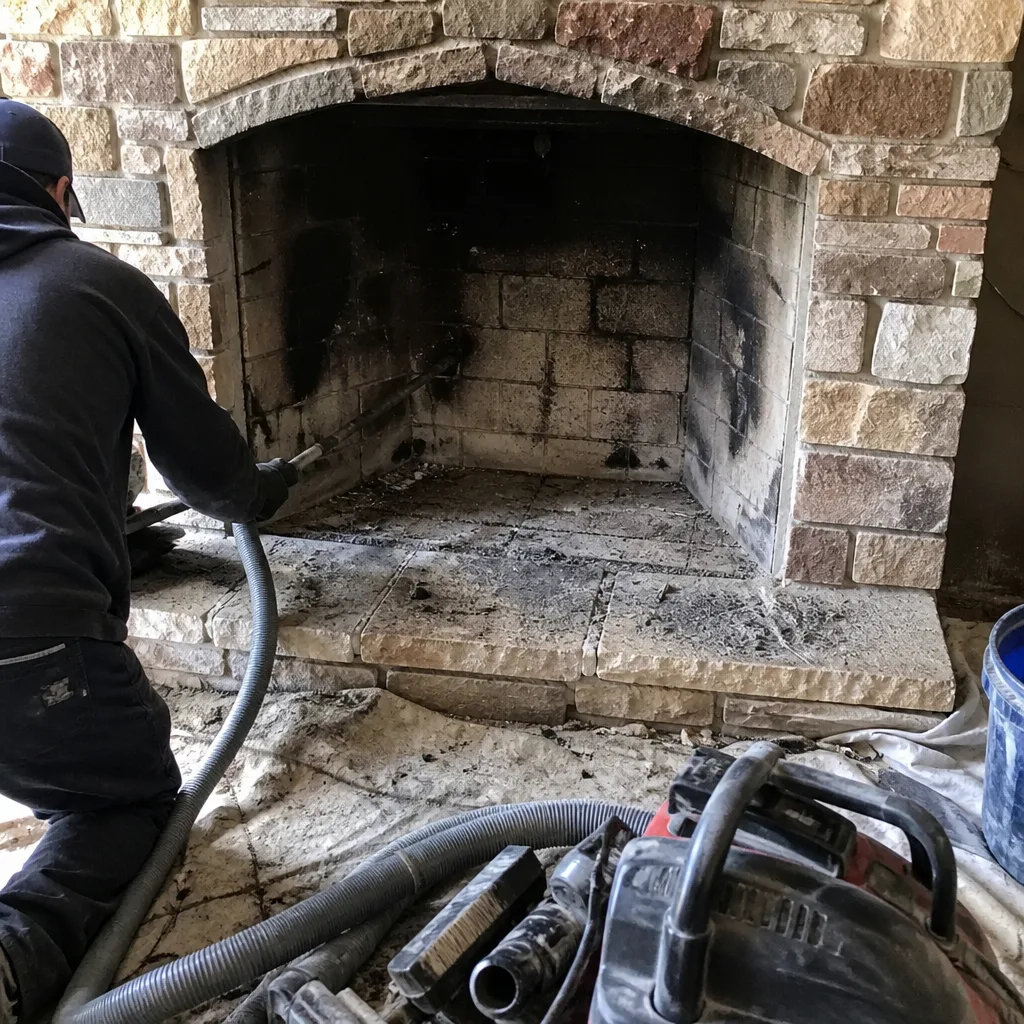 Before
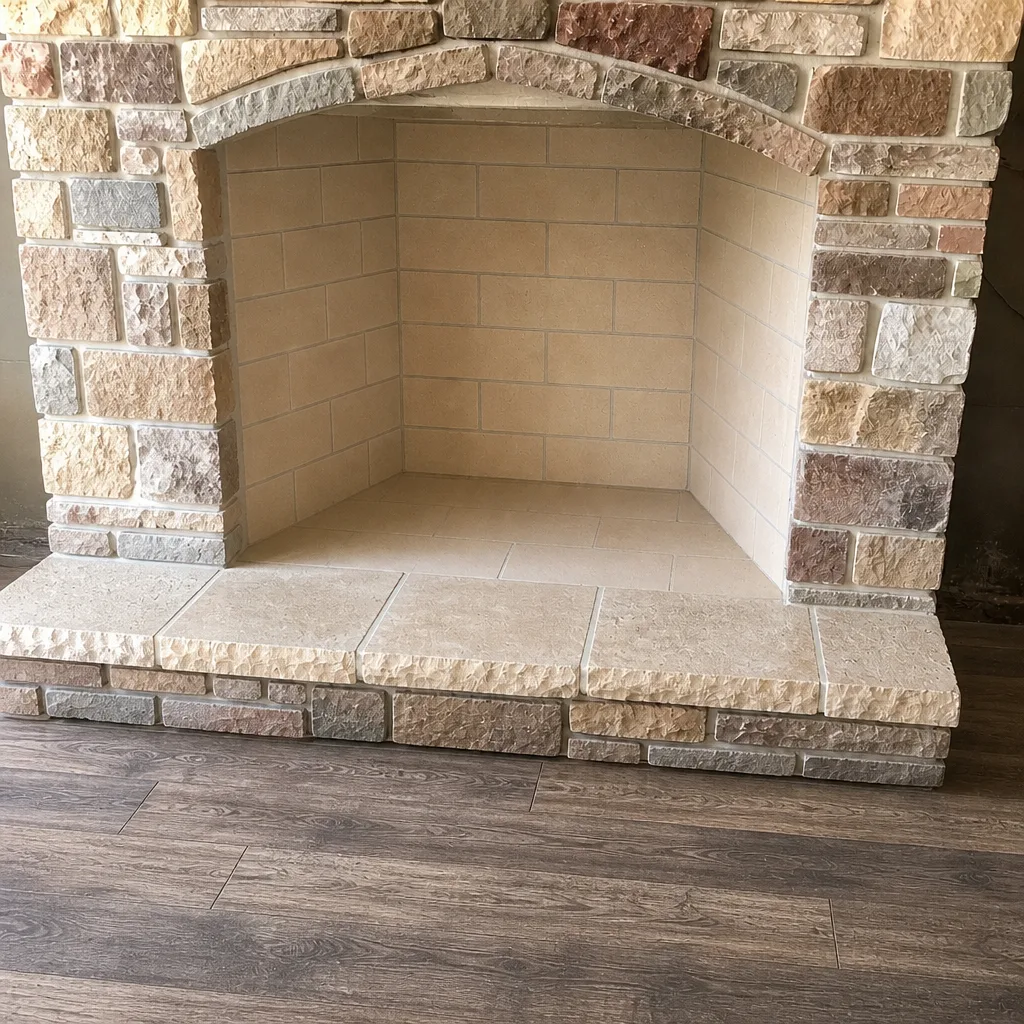 After
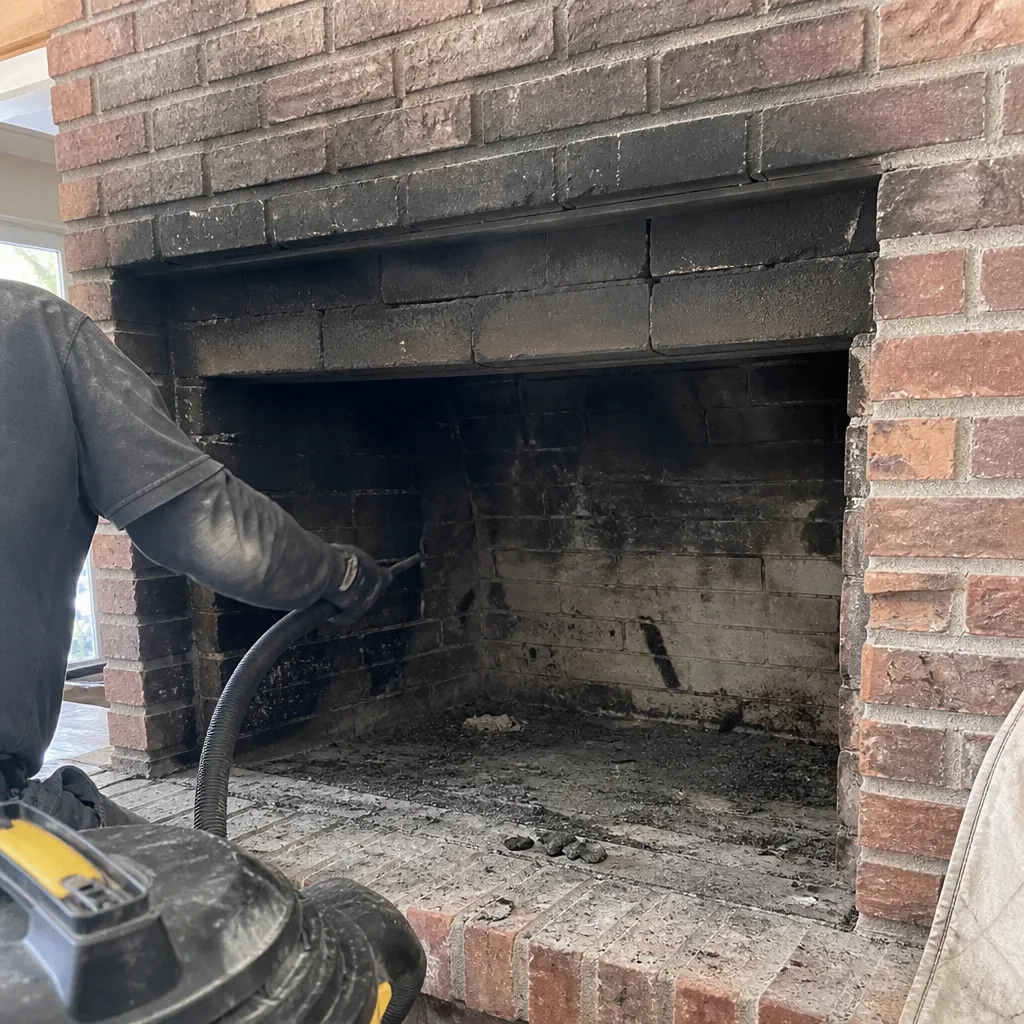 Before
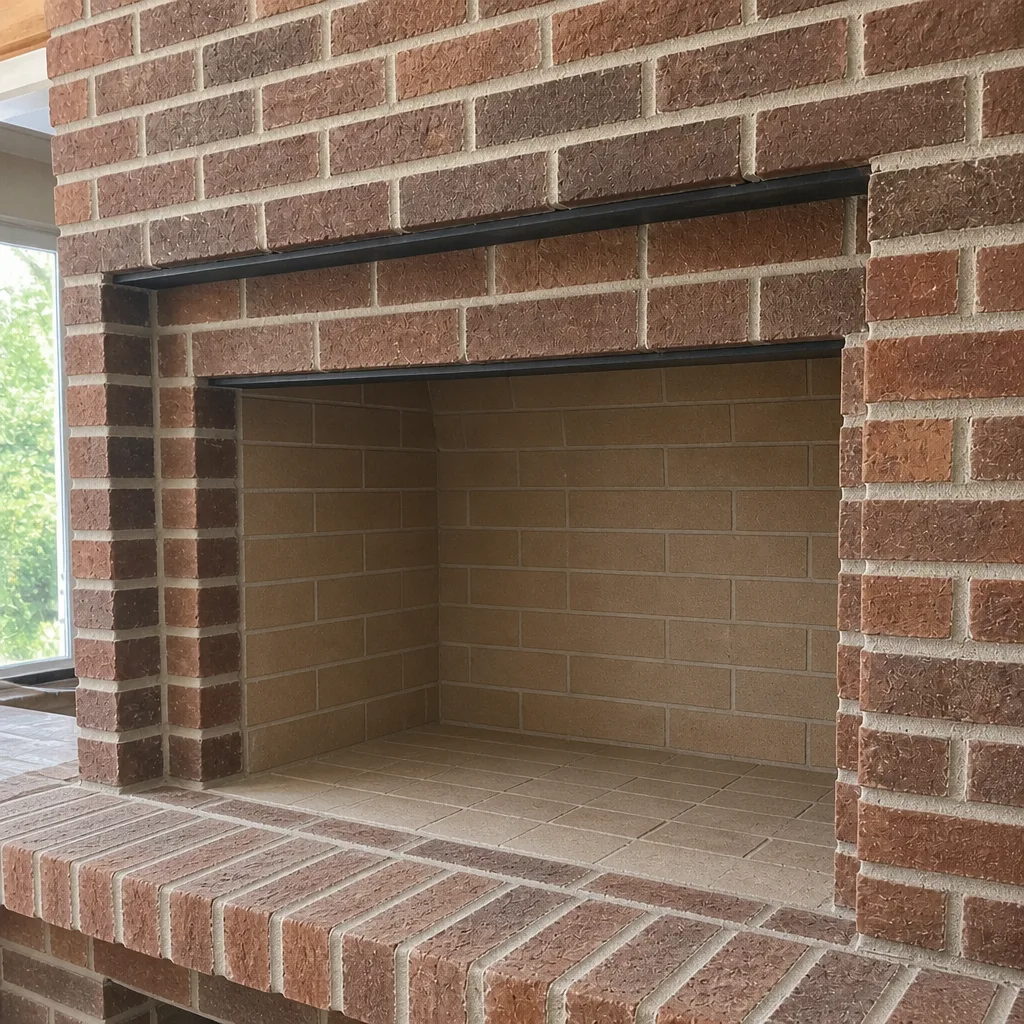 After
When to Call a Professional
Some scenarios clearly call for a professional, and it’s worth knowing where the line is. Call when you’ve noticed a creosote smell that doesn’t go away between fires, when smoke rolls into the room instead of going up, when you see cracked or crumbling masonry on the chimney exterior, when you’ve had a chimney fire (even a small one), or when the fireplace hasn’t been swept in over a year. Call after a hailstorm that dented the cap or knocked it loose, and call before you buy a home with a wood-burning fireplace you haven’t had inspected. Highlands Ranch Chimney Sweep offers free estimates in Highlands Ranch – call (833) 482-6314. We answer 24/7, with fast dispatch from 7am to 7pm, Sunday through Friday.
Frequently Asked Questions
It’s possible to remove surface soot with a consumer brush kit, but DIY cleaning skips the inspection that identifies creosote stage, liner cracks, and draft issues. Those are the findings that keep your home safe and your insurance claim intact. A professional visit pairs the cleaning with the diagnostic work.
Most homes with a wood-burning fireplace need an annual sweep and inspection. Highlands Ranch’s cold winter months mean regular fireplace use, and creosote builds fastest during the first minutes of every fire when the flue is cold. Gas fireplaces still need periodic inspection even though they don’t produce creosote.
A professional sweep runs a rotary cleaning system to remove Stage 2 creosote, inspects the flue with a camera, tests draft, checks the cap and crown, and produces a written report with photos. That’s the difference: the cleaning is comparable, and the diagnosis is not. Call (833) 482-6314 for a free estimate.
It won’t automatically void your policy, but it can make a claim harder to substantiate. Insurers often look for evidence of professional maintenance when a chimney fire or carbon monoxide event is the cause. A written report from a professional sweep is the documentation your adjuster is likely to want, which is why we recommend keeping one on file.
Light use doesn’t eliminate the need for an inspection. Water intrusion, cracked crowns, and animal nests happen whether or not a fire has been lit. In Highlands Ranch, the freeze-thaw cycle through spring opens masonry cracks even when the fireplace is idle. Call (833) 482-6314 to schedule a diagnostic inspection.
A liner recommendation should always come with camera evidence you can see for yourself, and we won’t recommend one without it. When a liner is cracked, spalled, or badly glazed, we walk you through the photos and explain what happens if it’s left alone. If it can safely wait, we say so. Call (833) 482-6314 for a free estimate and a straight answer.
The Bottom Line
DIY chimney brushing is physically possible for many homeowners, and it does remove soot. What it can’t do is identify Stage 2 or Stage 3 creosote, catch a liner crack, test draft, or produce the documentation your insurer wants after a problem. The real value of a professional visit is the inspection that accompanies the sweep, and that’s the part most DIY work leaves out. In Highlands Ranch, the annual inspection is especially worth keeping because freeze-thaw, hail, and cold-fire creosote formation all push chimneys toward the issues a brush can’t reveal. Call (833) 482-6314 for a free estimate. We answer 24/7, with fast dispatch from 7am to 7pm, Sunday through Friday. A written estimate sets the final price.
Written by the team at Highlands Ranch Chimney Sweep.