
Last updated November 25, 2026
 Sweep & inspection
 Caps & crowns
 Flue relining
 Masonry repair
 Gas fireplace service
Level 1 sweep and inspection to the NFPA 211 annual standard - flue, crown, cap, and flashing checked and photographed
Chimney sweep logs do not sweep chimneys. They loosen some creosote - which then falls where a brush and vacuum still have to collect it.
Chimney Sweep Maintenance Checklist for Highlands Ranch Homeowners
Most chimney maintenance checklists floating around the internet were written for a house with a masonry chimney, a straight flue, and a mild winter. That isn’t what sits on most Highlands Ranch homes. The three components most likely to fail on a chimney here are the cap, the crown, and the flashing, and all three are visible from the ground with a decent pair of binoculars. Almost no homeowner checks them before the burning season starts in October. This guide is built around the failure points a Highlands Ranch chimney actually faces, organized by what you can check yourself and what genuinely requires a trained eye inside the flue.
Quick Answer
A complete chimney maintenance routine in Highlands Ranch runs on two tracks: quarterly homeowner checks you can do from the ground, and one annual professional inspection with a sweeping before the burning season begins in October. Your checklist should cover cap condition, crown cracking, flashing separation, damper operation, and a smoke-chamber draft test on the homeowner side, plus a camera inspection of the flue and firebox on the professional side. Everything you document between sweeps, from wood type to smoke behavior, makes the next inspection faster and more accurate.
Styles & brands we work with
- Sweep & inspection
- Caps & crowns
- Flue relining
- Masonry repair
- Gas fireplace service
Table of Contents
- Why a Generic Chimney Checklist Falls Short in Highlands Ranch
- What You Can Check Yourself: The Homeowner-Observable Checklist
- What Requires a Professional: The Camera-Inspection Checklist
- A Month-by-Month Schedule Tied to Highlands Ranch’s Burning Season
- What to Document Between Annual Sweeps
- Tracking Your Wood Supply to Know When to Book a Visit
- The Cap and Crown: Your First Line Against Water Damage
- Warning Signs That Move You Off the Checklist and Onto the Phone
Why a Generic Chimney Checklist Falls Short in Highlands Ranch
A chimney checklist you find on a national home-maintenance site assumes things that don’t hold here. It assumes mild, damp winters. It assumes a masonry stack with a masonry crown that has decades to weather. It assumes a long, straight flue run. Highlands Ranch sits on the high plains south of Denver, and the chimneys here earn their keep between October and April, when the fireplace or wood stove runs most evenings. That concentrated burning season means creosote accumulates in a defined window and then sits through the off-season, and the freeze-thaw cycles between burning seasons are what put stress on the parts of the chimney that face the weather.
The housing stock matters too. Many Highlands Ranch homes were built with factory-built fireplaces and metal flue systems rather than full masonry stacks. The components that fail on those systems are different from the ones that fail on a masonry chimney. A generic checklist tells you to look for “loose mortar,” which is fine advice for a brick chimney and close to meaningless on a metal flue with a cap and a chase cover. What actually matters on this housing stock is the cap, the crown or chase cover, and the flashing at the roof penetration.
There’s also the question of who does the work. In our experience, the most common cause of a chimney problem that keeps coming back is a repair done by one trade and inspected by nobody. A sweep company cleans. A roofer handles the flashing. A general contractor patches the crown. Nobody looks at the whole system. A chimney is a system, and a checklist built around that idea will catch more than a list of seasonal chores.
What You Can Check Yourself: The Homeowner-Observable Checklist
You don’t need to get on the roof to check the most failure-prone parts of your chimney. You need binoculars, a flashlight, and ten minutes. Here’s what to look at, in order, and what a problem looks like.
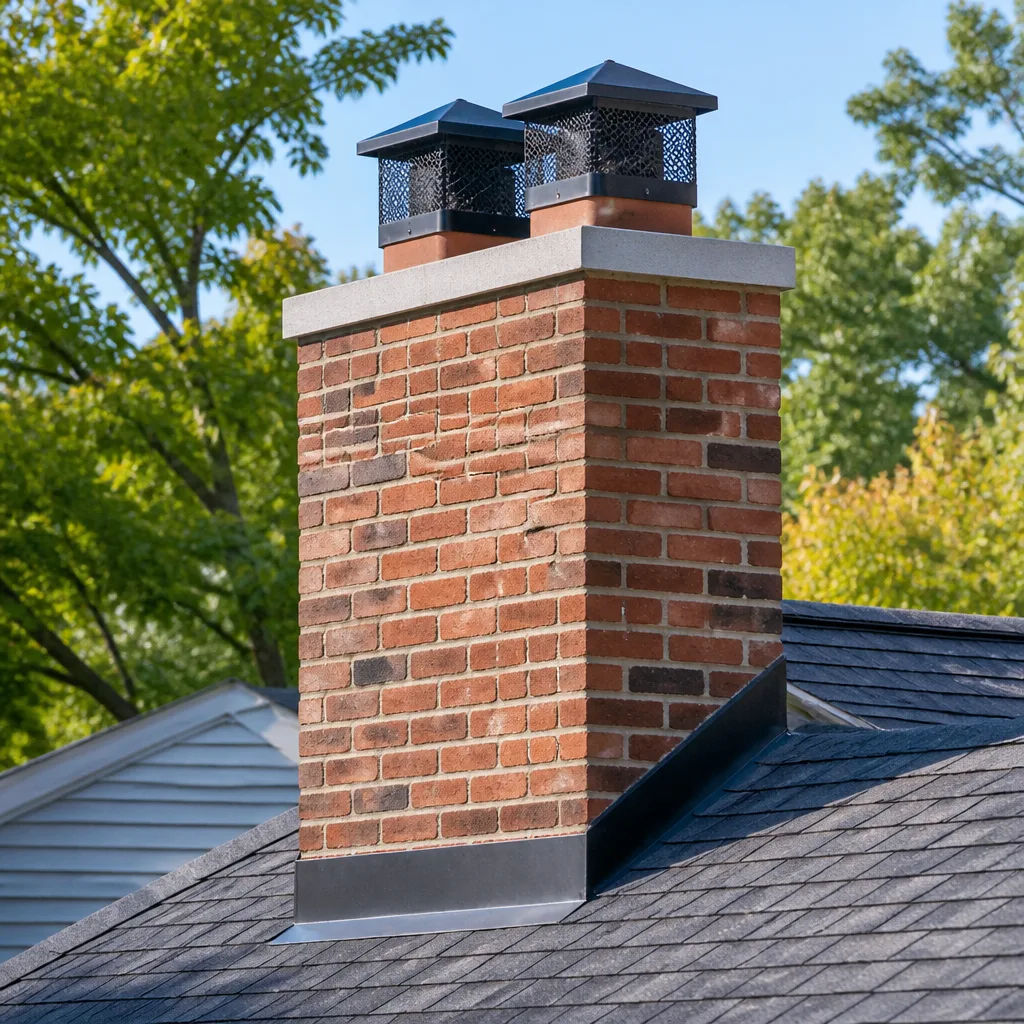
- The cap. Stand back far enough to see the top of the chimney against the sky. The cap should sit level, cover the flue opening with clearance on all sides, and have intact mesh or louvers on the sides. A cap that’s tilted, rusted through, or missing mesh is a problem. Missing mesh lets birds and squirrels in; a rusted-through cap lets water straight down the flue.
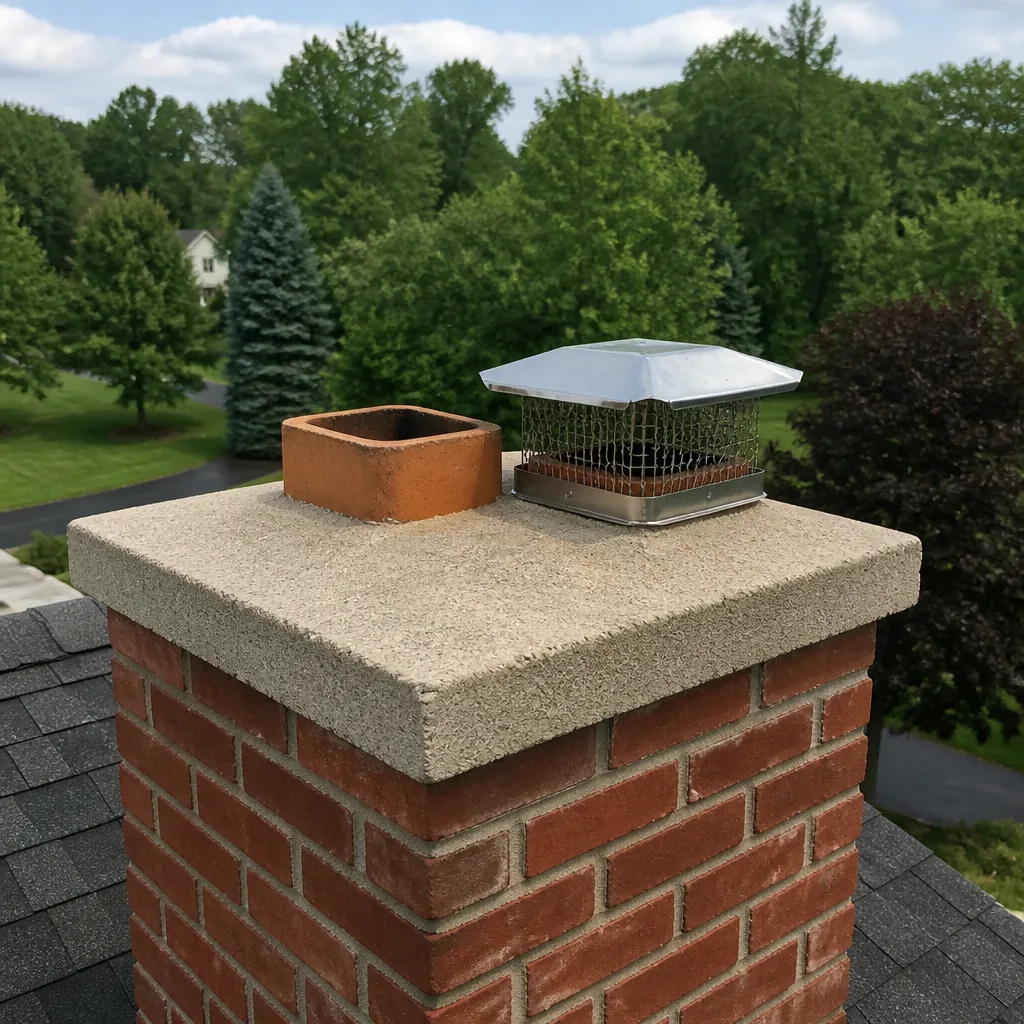
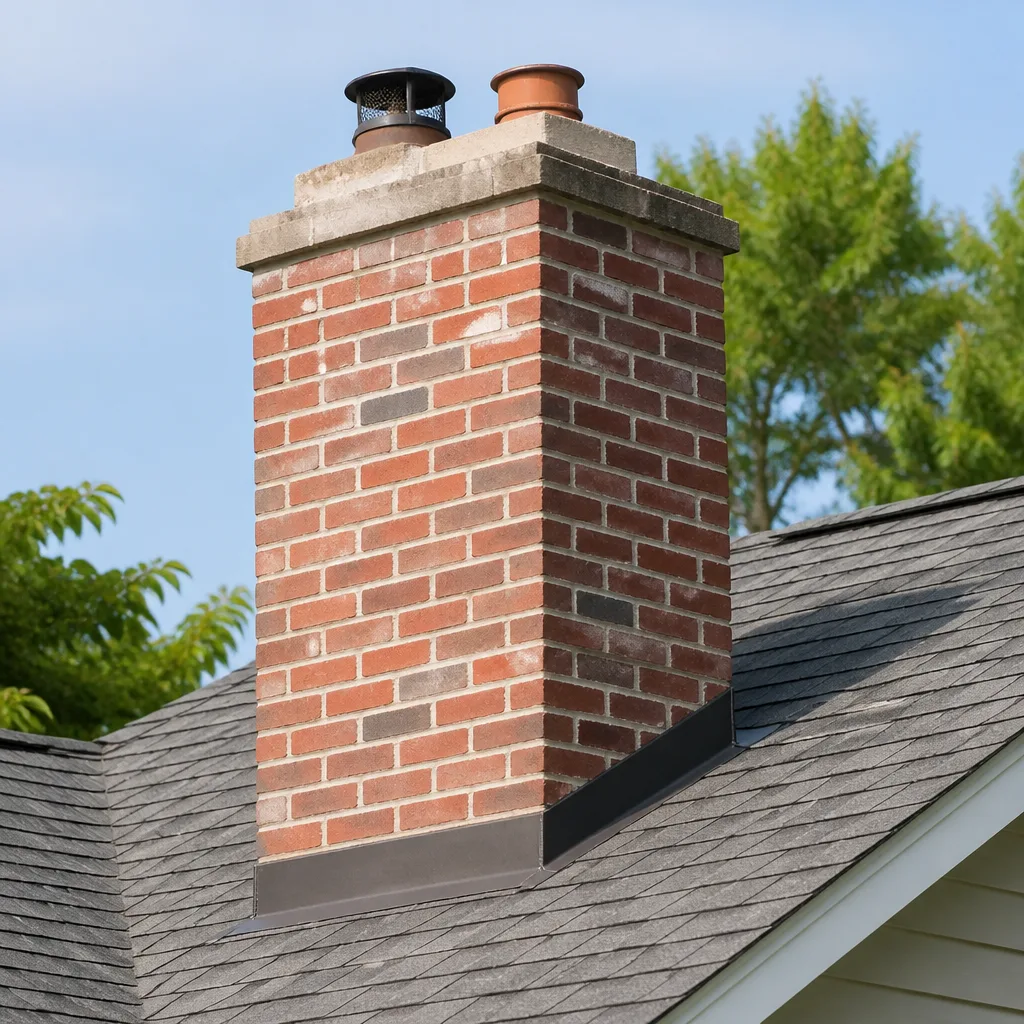
- The crown or chase cover. The crown is the concrete slab at the top of a masonry chimney; on a factory-built system it’s usually a metal chase cover. Look for cracks wider than a hairline, a crown that’s pulled away from the flue, or a chase cover with rust holes or lifted seams. Any of those gives water a path in.
- The flashing. The flashing is the metal where the chimney meets the roof. Look for lifted edges, gaps between the flashing and the shingles, or a visible line of caulk or tar that’s cracked and peeling. Flashing separation is one of the most common sources of a roof leak that gets blamed on the chimney itself.
- The damper. Open the damper fully. It should move freely and seat flat when closed. A damper that sticks, drops on its own, or won’t close flush means you’re losing heat up the flue when the fireplace is cold, or you have a draft control problem.
- The smoke-chamber draft test. With the damper open, light a small rolled-up piece of newspaper and hold it near the open damper. Smoke should rise straight up the flue. If it rolls back into the room, you have a draft problem worth investigating before you burn a real fire.
- The firebox. With a flashlight, look for cracked firebrick, missing mortar joints, or a metal firebox with warped or rusted panels. Hairline cracks in firebrick are common and often harmless; gaps and missing pieces are not.
- The exterior below the roofline. From the ground, look for staining on the chimney’s exterior face, efflorescence (a white powdery deposit), or spalling brick. Those are water-damage signatures that point back to the cap, crown, or flashing.
Do this check in early October, before the first real burn. If everything on the list looks intact, you’re in good shape for the season and can schedule your professional inspection with confidence. If something on the list fails, that’s your call to book an inspection sooner. Our chimney sweep covers the cleaning side of the routine, and the inspection that comes with it is where the diagnostic work happens.
What Requires a Professional: The Camera-Inspection Checklist
Some parts of the checklist have no homeowner equivalent. The inside of a flue is dark, cramped, and in the case of a masonry chimney full of creosote that you should not be poking at with anything. This is the territory of a trained technician with a camera and the right tools. Here’s what a professional assessment covers that your binoculars can’t.
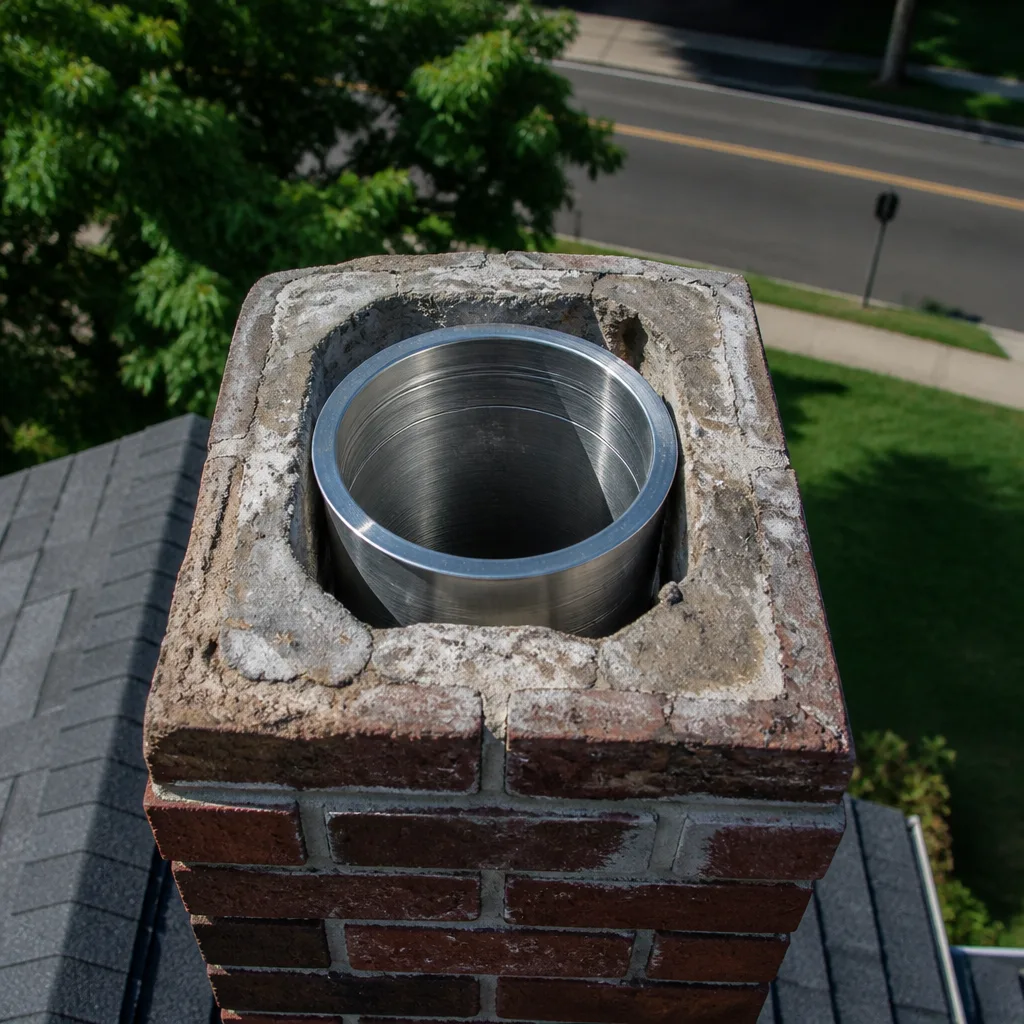
- Flue interior, stage by stage. A camera run through the flue from the top down shows the condition of the liner, the smoothness of the flue walls, and any gaps, cracks, or separations that let heat or combustion gases reach the structure. On a metal liner, the camera confirms the joints are seated. On a masonry flue, it reveals spalling and missing mortar joints.
- The smoke chamber and smoke shelf. The smoke chamber is the sloped transition between the firebox and the flue, and it’s where creosote glazes and where a rough surface causes draft problems. Most homeowners can’t see it at all. A camera inspection can, and it’s where we find a lot of the draft complaints we’re called out for.
- The firebox and damper assembly, taken apart if needed. A firebox that looks fine from the front can have failed joints behind the firebrick. A damper that opens and closes can still be misaligned enough to leak. This is why we inspect before we recommend: the diagnosis tells us whether a fireplace repair is needed, or whether cleaning is all the system needs.
- Creosote type and volume. Creosote comes in stages, from light soot to a glazed, tar-like deposit that’s much harder to remove. Knowing which stage you’re at determines the cleaning method and whether a mid-season visit is worth booking.
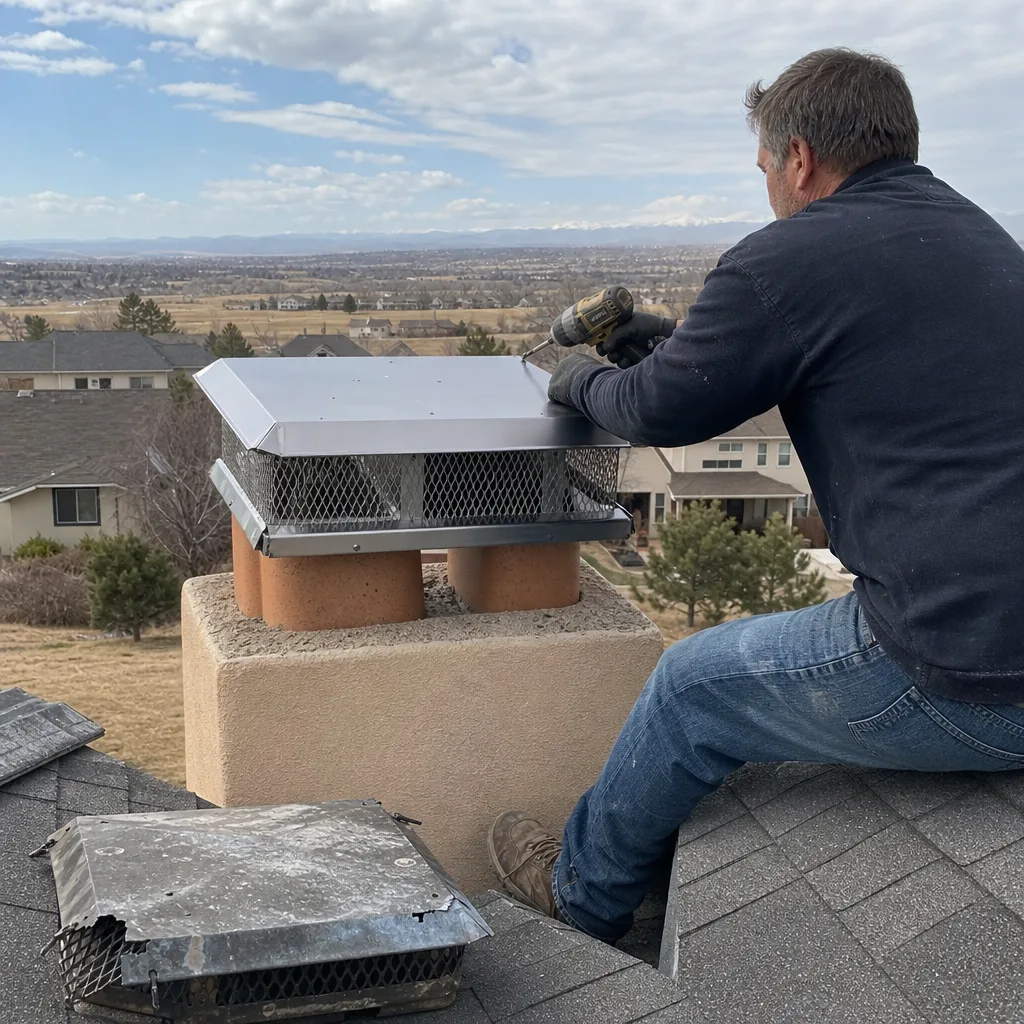
- The exterior at roof level. This is where a technician sees the crown, cap, and flashing up close, and can check the mortar joints and the chimney chase for gaps the binocular view missed. It’s also where a professional can confirm whether a cap and crown replacement is the right fix for the water damage you’re seeing.
- Structural check of the stack. On a masonry chimney, a technician checks for a leaning stack, a cracked flue tile, or a chimney that’s separated from the house. Those are structural issues that affect the whole system, not just the flue, and they belong in a chimney repair conversation.
Our technicians have up to 8 years of experience, and they work with a camera inspection and a photo report so you can see what they see. Nothing gets recommended that isn’t backed by evidence you can look at yourself.
A Month-by-Month Schedule Tied to Highlands Ranch’s Burning Season
Generic chimney advice tells you to “clean before winter.” Here, the burning season runs roughly October through April, which means the right maintenance calendar is built around that window. Here’s how we’d schedule the year for a Highlands Ranch home.
- September. Do your homeowner-observable check. Cap, crown, flashing, damper, smoke test, firebox. Call for a professional inspection and sweep if it’s been a year or if anything on the list looks wrong. Booking now means you’re ready before the first cold evening.
- October. First burns of the season. Watch how the fire behaves, what the smoke does on a cold start, and whether you smell anything in the room. Document it. This is your baseline for the rest of the season.
- November through January. Peak burning. This is when creosote builds fastest, and when draft problems that were borderline in October become obvious. If you burn most evenings, this is the window where a mid-season inspection is worth considering.
- February. Mid-season checkpoint. If you’ve gone through a lot of wood, if the fire has started smoking more than it used to, or if you’re noticing odors on warm days, book an inspection now rather than waiting for spring.
- March and April. Last weeks of the season. Burn down your remaining wood carefully, since late-season fires with marginal wood are where draft problems show up. Book your spring cleaning anytime in this window.
- May and June. Off-season. This is the best time for chimney repair work, cap and crown work, and anything involving roof access, because the weather cooperates and there’s no fire in the box. Water damage that showed up over the winter gets fixed before the summer storms.
- July and August. Summer storms and monsoon rain test your cap, crown, and flashing. If you see staining on the chimney face after a storm, that’s your signal.
The exact month you book isn’t as important as the pattern: one full inspection and sweep before October, one mid-season check if you burn hard, and any repairs done in the off-season.
What to Document Between Annual Sweeps
The single most useful thing you can do between sweeps is keep a short log. A technician who arrives with six months of your notes can diagnose faster and avoid recommending work the notes rule out. None of what you write down needs to be technical. Here’s what to track.
- Odors. Note the date and what the smell was: a wood-smoke smell on a warm day, a creosote smell, a musty smell. The timing matters. A smoke smell on a mild day points to a draft problem. A musty smell points to water getting in. A creosote smell that comes and goes points to a glazed deposit in the smoke chamber.
- Smoke behavior. Does smoke roll into the room on a cold start? Does it spill when you open the door to add a log? Does it draft cleanly once the flue warms? Write down what changed and when. This is the most useful note for a technician, because it tells us whether the problem is draft, blockage, or the fire itself.
- Draft changes. A fireplace that drafted well for years and then starts smoking is telling you something. The cause can be a partially blocked flue, a cap that’s shifted, or a change in the house’s air pressure. Note the date it started, so we can compare it to the rest of your log.
- Wood type and volume. Write down the type of wood you burned (oak, pine, fir, and so on), whether it was seasoned, and roughly how much you went through. Soft, unseasoned wood creates more creosote than dry hardwood, and a heavy burn year is a reason to book a mid-season visit.
- Weather notes. A wind direction that causes smoke to spill, a cold snap that made the fire harder to start, a storm that left water on the chimney face. Those details help a technician connect a problem to its cause.
- Photos. A smartphone photo of the cap, crown, and flashing from the ground each season gives you a before-and-after record. A crack that’s grown visibly wider since last fall is a much stronger signal than a crack you can’t compare to anything.
Keep the log somewhere you’ll actually find it, like the notes app on your phone. Six months of small observations is worth more than an hour of second-guessing in the fall.
Tracking Your Wood Supply to Know When to Book a Visit
How much wood you burn, and how well it burns, tells you a lot about your creosote risk. Here’s how to use your wood supply as a diagnostic tool.
Track the type. Hardwoods like oak burn hotter and cleaner than softwoods like pine. That doesn’t mean pine is bad; it means a pine-heavy fire produces more creosote than an oak-heavy one, and if pine is your main fuel, a mid-season inspection is worth considering. Note which species you bought and which you burned most.
Track the moisture. Seasoned wood is dry enough to burn cleanly. If your wood sizzles, smokes, or is hard to light, it’s holding too much water, and that moisture goes straight into the flue as creosote. If you find yourself with a load of unseasoned wood, plan on more frequent inspections and a hotter fire to compensate.
Track the volume. A homeowner who burns a cord or more over the season has a different inspection schedule than someone who burns a half-cord on cold nights. If you cross a cord and burn most evenings, a January or February inspection is a reasonable investment. If you burn a half-cord or less, an annual October inspection is usually enough.
Track the burn pattern. Long, slow, smoldering burns (a fire that dies down overnight) produce far more creosote than hot, active burns. If your evening routine ends with a fire that smolders for hours, that’s a factor in your maintenance schedule, not just your wood type.
Between the log and the wood supply, you’ve got a self-assessment that’s accurate enough to decide whether a mid-season visit is worth booking. Our Highlands Ranch Chimney Sweep pages cover the professional side of that decision, but the notes are yours to keep.
The Cap and Crown: Your First Line Against Water Damage
The most common source of chimney water damage in Highlands Ranch isn’t the flue, and it isn’t the brick. It’s the top of the chimney. The cap and crown are the parts that face the weather, and when they fail, water gets into the flue and the surrounding structure, where it does far more damage than the failing part itself.
A masonry chimney has a concrete crown, and that crown cracks as it goes through freeze-thaw cycles. Once water gets into a crack, it freezes, expands, and widens the crack, and the cycle repeats. A factory-built chimney has a chase cover instead, and those rust through at the seams and around the flue opening. Either way, the failure mode is the same: water gets past the top and into the system.
Cap failures work the same way. A cap that’s rusted through or missing its mesh lets water straight down the flue and lets birds, squirrels, and debris in. A cap that’s tilted or loose can let water run down the outside of the flue and into the structure. And a chimney without a proper cap at all is exposed to everything: rain, snow, leaves, and animals.
When we install a cap or a crown, we’re solving the root cause rather than patching around it. Our cap and crown work uses professional-distribution products, and in our experience, resolving the cap and crown issue in one visit is what stops the water damage from returning next season. That’s the difference between a repair built to last and one that’s built to pass.
Warning Signs That Move You Off the Checklist and Onto the Phone
Some things on a checklist are routine. Others are a reason to stop checking and book an inspection. If you see any of these, don’t wait for October.
- A strong creosote smell in the house on a warm day, or after a rainstorm. That usually means water is reaching a creosote deposit, and it’s worth a look.
- Smoke spilling into the room on every start, not just the first cold one. A persistent draft problem can indicate a blockage or a structural issue in the flue.
- A cap that’s visibly tilted, rusted through, or missing a piece. You’re looking at an open path for water and animals.
- A crack in the crown that’s clearly widened since last season, or a chunk of masonry missing from the top of the stack.
- Staining or efflorescence on the exterior of the chimney below the roofline. That’s water getting in somewhere above.
- A firebox with gaps in the firebrick, or a metal firebox panel that’s warped or rusted through.
- Any time the smell in the room changes to something you can’t place. That’s a sign worth taking seriously, even if you can’t name it.
Common Mistakes to Avoid
- Checking the chimney only when you remember. A once-a-year glance in November misses the cap and crown problems that build up over the summer storms. Put your October homeowner check on a real calendar reminder.
- Treating the cap, crown, and flashing as separate from the flue. They’re part of the same system. A clean flue attached to a failed crown is a chimney that’s going to have a water problem by spring.
- Burning unseasoned wood to “use it up.” Unseasoned wood produces much more creosote than dry wood, and burning it because you already bought it is how you end up with a glazed flue and a bigger cleanup. If your wood is wet, expect to inspect more often.
- Assuming a hairline crack in the firebrick is a problem. Hairline cracks in firebrick are normal. Gaps, missing pieces, and mortar that’s fallen out are the ones that matter, and the difference is worth knowing before you worry.
- Booking a sweep and calling it maintenance. A sweep cleans the flue. It doesn’t diagnose the cap, crown, and flashing unless the inspection covers the whole system. Ask for the full inspection, and ask for the camera and the photo report.
- Hiring a general handyman for chimney work. Chimney work is a trade, and the materials matter. A cap installed with a general-purpose bracket, or a crown patched with the wrong mix, fails in one or two seasons. Professional-grade products like HeatShield and Olympia Chimney are part of a repair that lasts.
- Ignoring the log. The homeowner who can say “the smoke started rolling back in January” gives a technician a head start. The one who says “it’s been smoking sometimes” leaves us guessing.
See the difference
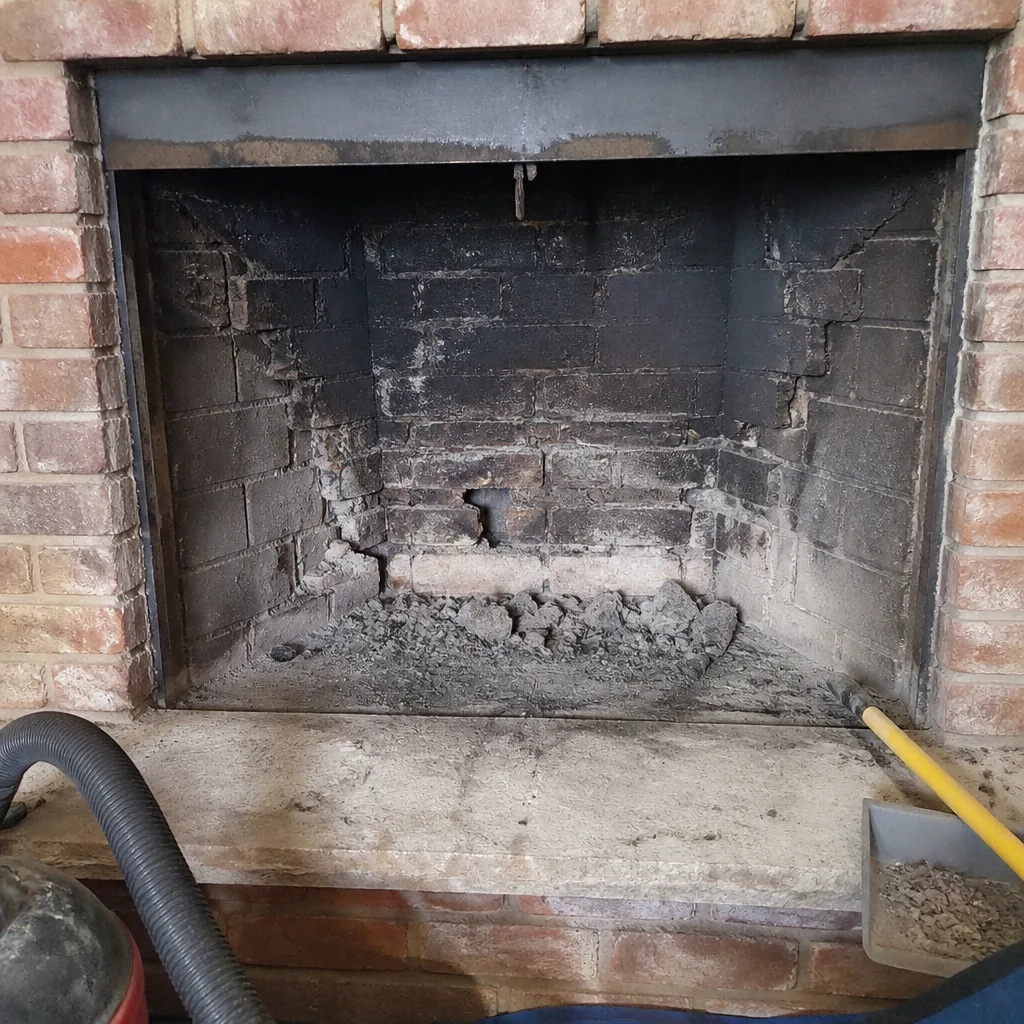 Before
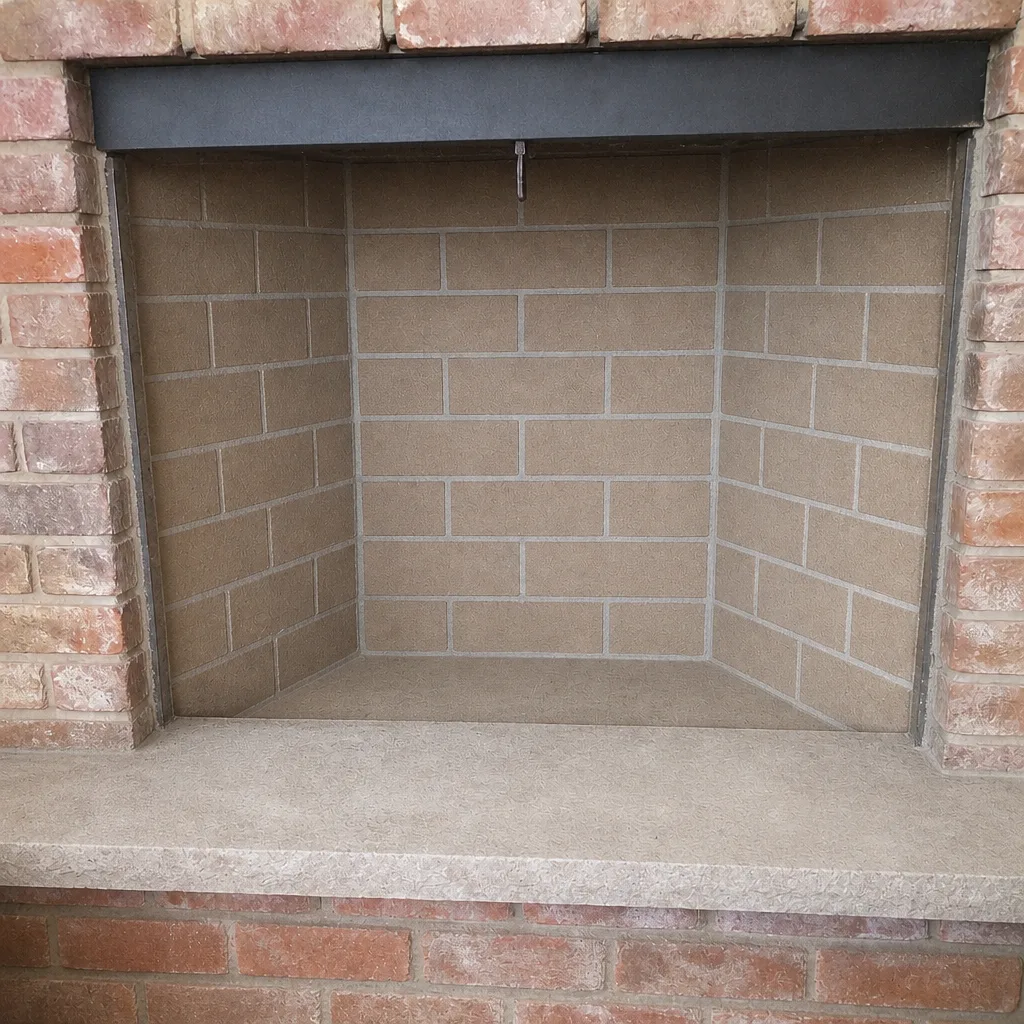 After
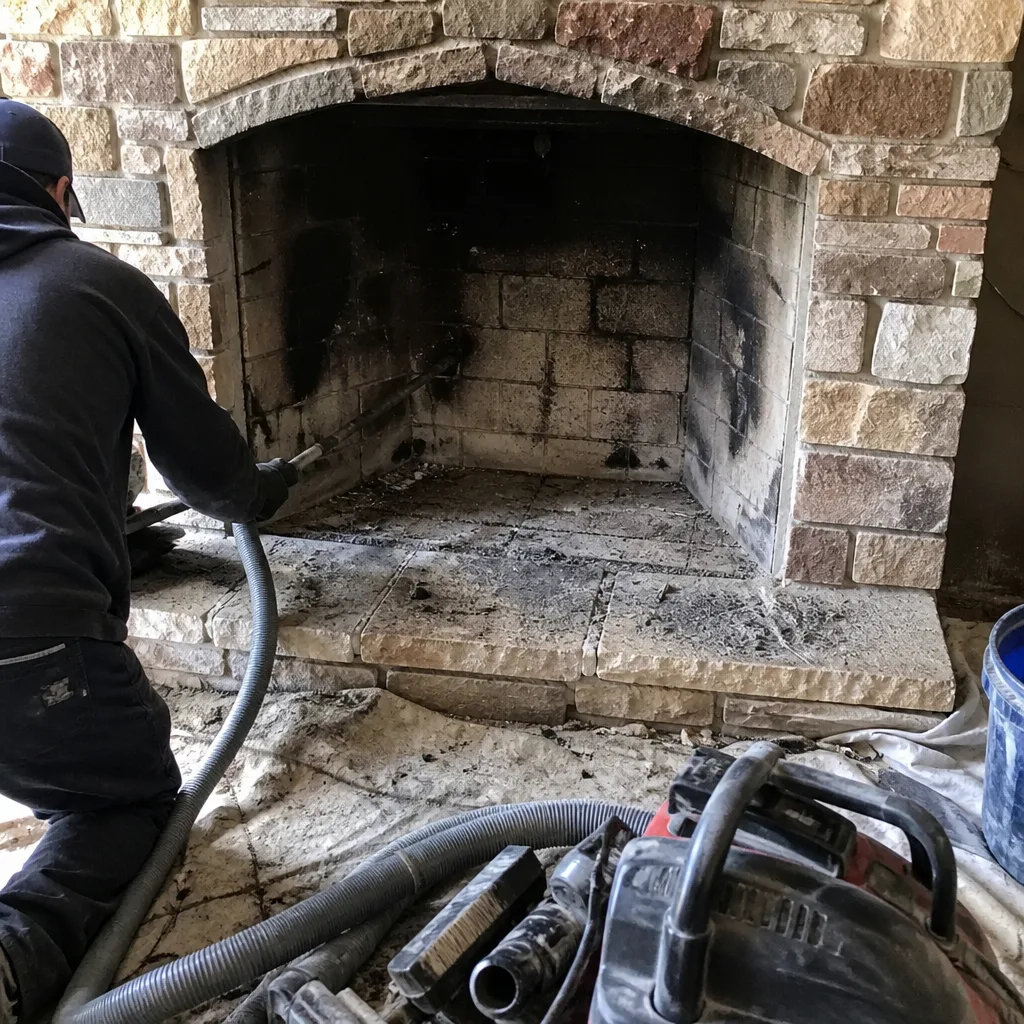 Before
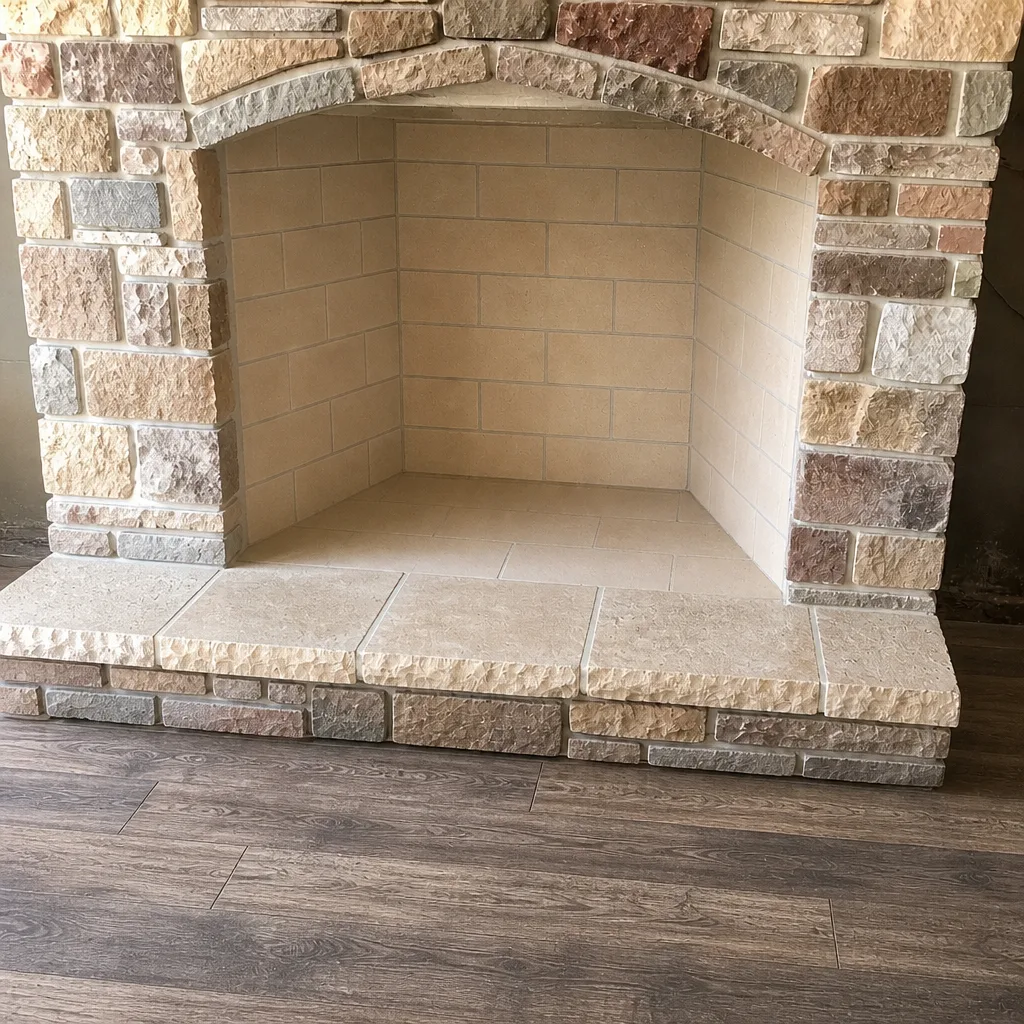 After
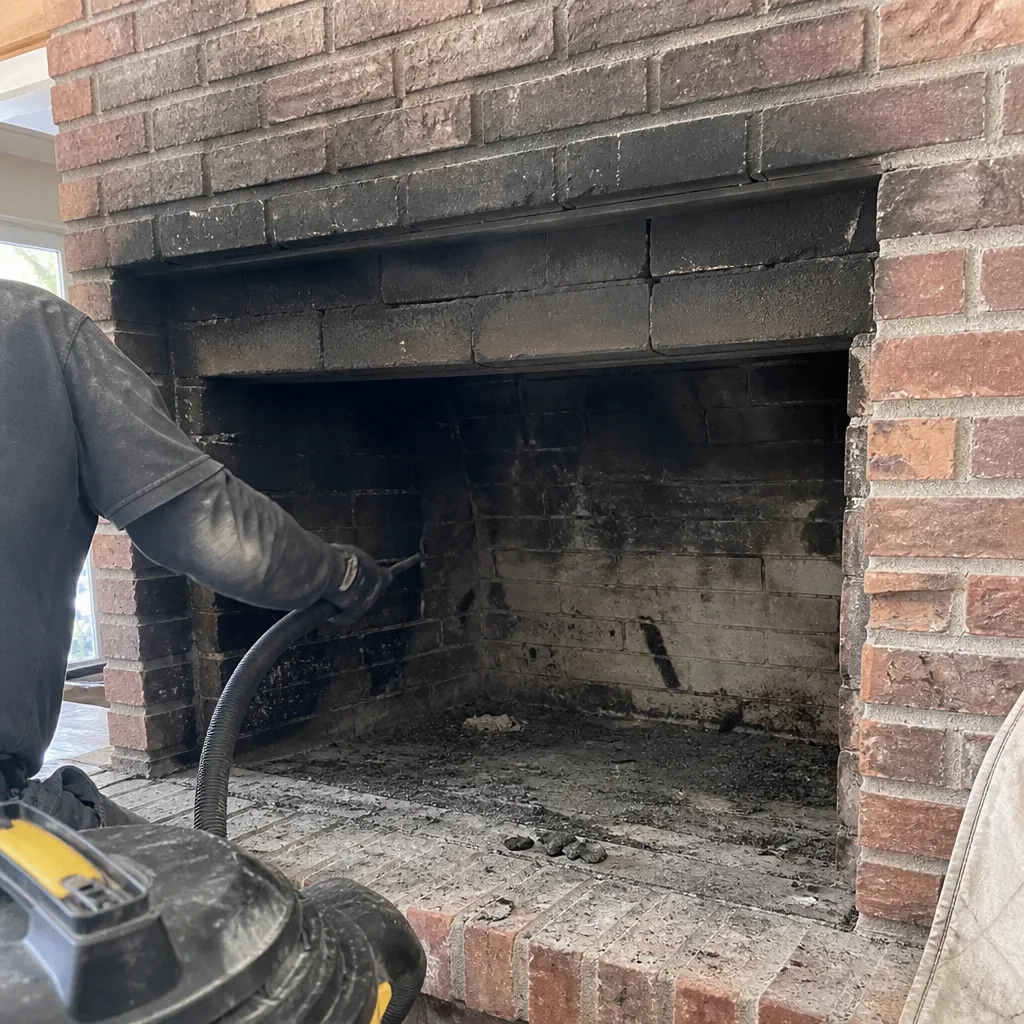 Before
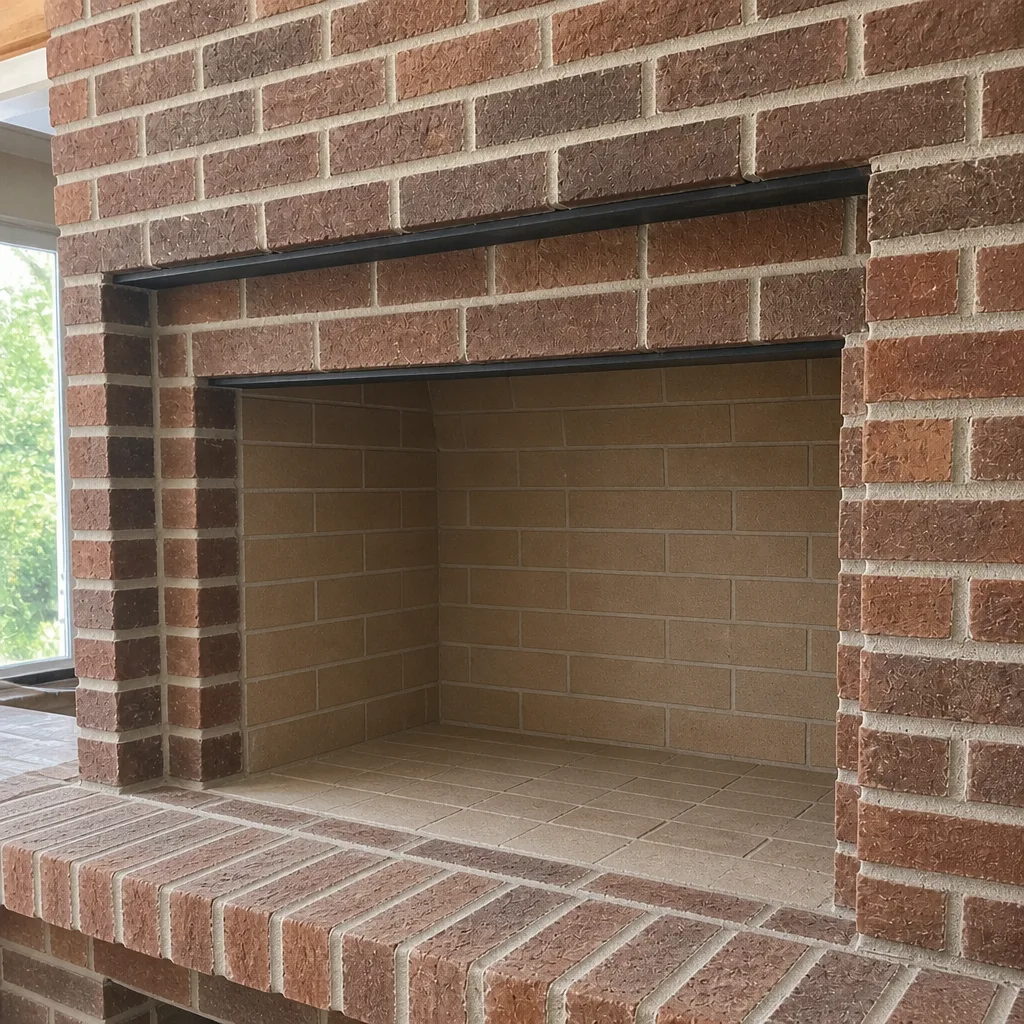 After
When to Call a Professional
Call a professional if anything on the observable checklist fails, if it’s been a year since the last inspection, if you’ve burned more than a cord over the season, or if you’re noticing smoke, odors, or draft changes that your log can’t explain. Call sooner if you see a cap or crown problem, staining on the chimney face, or a firebox issue. The reason to book before the season is simple: the burning season is when the system is under load, and the off-season is when repairs are easier and the roof access is safer. Highlands Ranch Chimney Sweep offers free estimates in Highlands Ranch. Call (833) 482-6314. We answer 24/7. Fast dispatch from 7am to 7pm, Sunday through Friday.
Frequently Asked Questions
Once a year is the standard for a chimney that burns regularly, and the burning season here runs October through April, so the annual sweep belongs in late September or early October, before the first burn. If you burn more than a cord, burn mostly softwood, or run long smoldering fires overnight, a mid-season inspection around January or February is worth considering. Call (833) 482-6314 for an exact quote; estimates are free.
You can check the cap, crown, flashing, damper, and firebox from the ground, and you should. You can’t inspect the inside of the flue, the smoke chamber, or the creosote condition, and those require a camera and physical access. The homeowner-observable checklist catches the water-damage failures; the professional inspection catches the rest. Call (833) 482-6314 when you’re ready to book the professional side.
A sweep cleans the flue and firebox. An inspection is diagnostic: it looks at the flue interior, the smoke chamber, the firebox, the cap, the crown, and the flashing, and tells you the condition of the whole system. In practice, they often happen in the same visit. The sweep removes the creosote so the inspection can see the flue walls, and the inspection tells you what the sweep found. Call (833) 482-6314 to book a visit that covers both.
The main ones are smoke rolling back into the room on a cold start, a persistent draft problem, a creosote or musty smell in the house on a warm day, staining or efflorescence on the chimney exterior, a visibly cracked crown, and a tilted or rusted cap. Any of those is a reason to book an inspection sooner rather than waiting for the fall. Call (833) 482-6314 for an exact quote; estimates are free.
The cap and crown face the weather year-round, and Highlands Ranch’s freeze-thaw cycles widen cracks and rust out seams. A crack in the crown that would be stable in a mild climate opens up here as water freezes and expands inside it. The cap rusts at the mesh and around the flue opening, and once it’s compromised, water goes straight down the flue. That’s why we check both from the ground before the season, and why cap and crown installation is a repair that solves the cause rather than a patch. Call (833) 482-6314 to schedule an inspection.
Professional-grade products are built for the freeze-thaw cycle and the wind load a chimney cap has to handle, and a generic hardware-store cap is usually built to a lighter standard. In our experience, the cheaper version is the one that’s rusted through in a couple of seasons and needs replacing. We work with product lines the chimney trades specify, including HeatShield and Olympia Chimney, so the repair is built to last. Call (833) 482-6314 for an exact quote.
The Bottom Line
A chimney maintenance checklist in Highlands Ranch works best when it’s built around what actually fails here: the cap, the crown, and the flashing, all visible from the ground, all vulnerable to the freeze-thaw cycle. Do the homeowner check in September. Book the full inspection with a camera and a photo report before the season. Keep a simple log between sweeps, track your wood type and volume, and watch the smoke and the smell for changes. Repairs belong in the off-season, when roof access is safer. One specialist, start to finish, sees the whole system rather than one part of it.
Contact
If you’d rather have a professional run the checklist with you, we’re ready to help. Highlands Ranch Chimney Sweep handles inspection, sweeping, fireplace repair, chimney repair, and cap and crown work as one full-system specialist. Call (833) 482-6314 for a free estimate. We answer 24/7. Fast dispatch from 7am to 7pm, Sunday through Friday.
Written by the team at Highlands Ranch Chimney Sweep.