
Last updated November 25, 2026
 Sweep & inspection
 Caps & crowns
 Flue relining
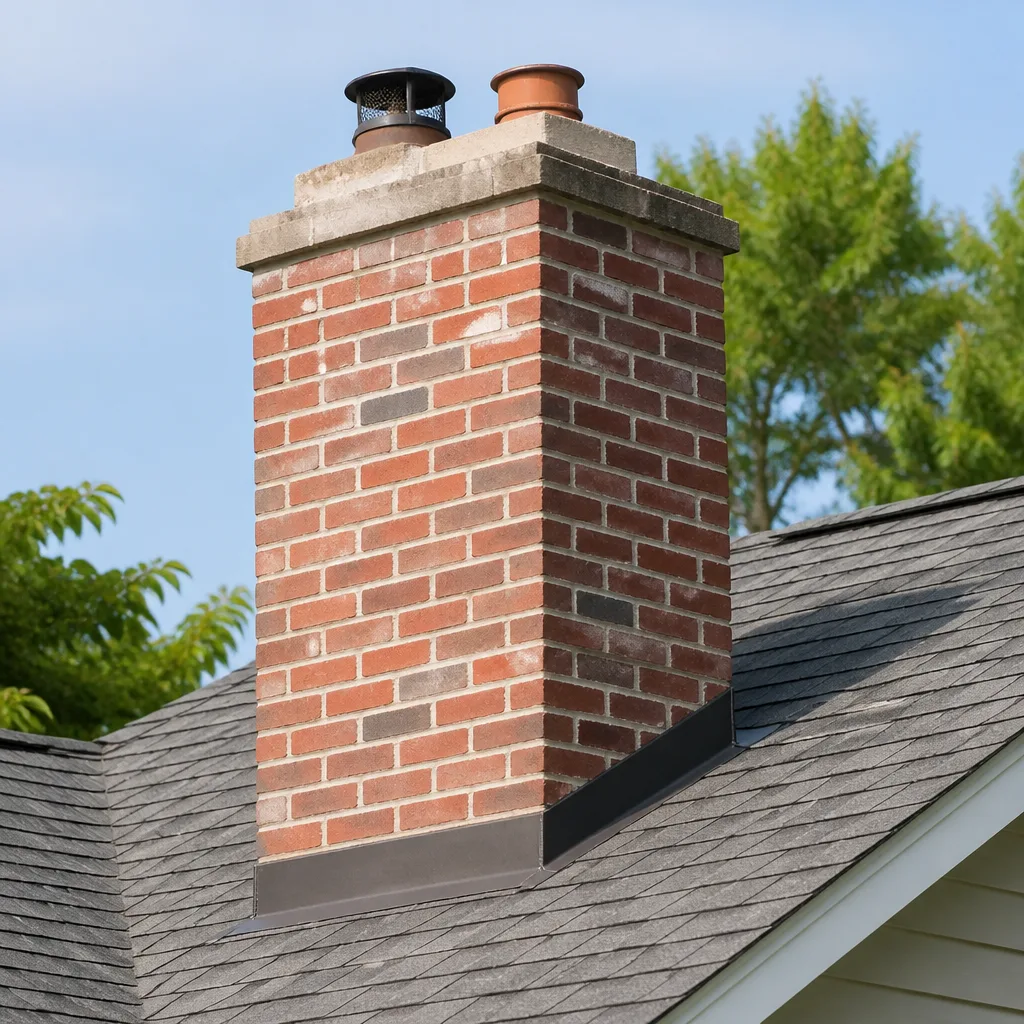 Masonry repair
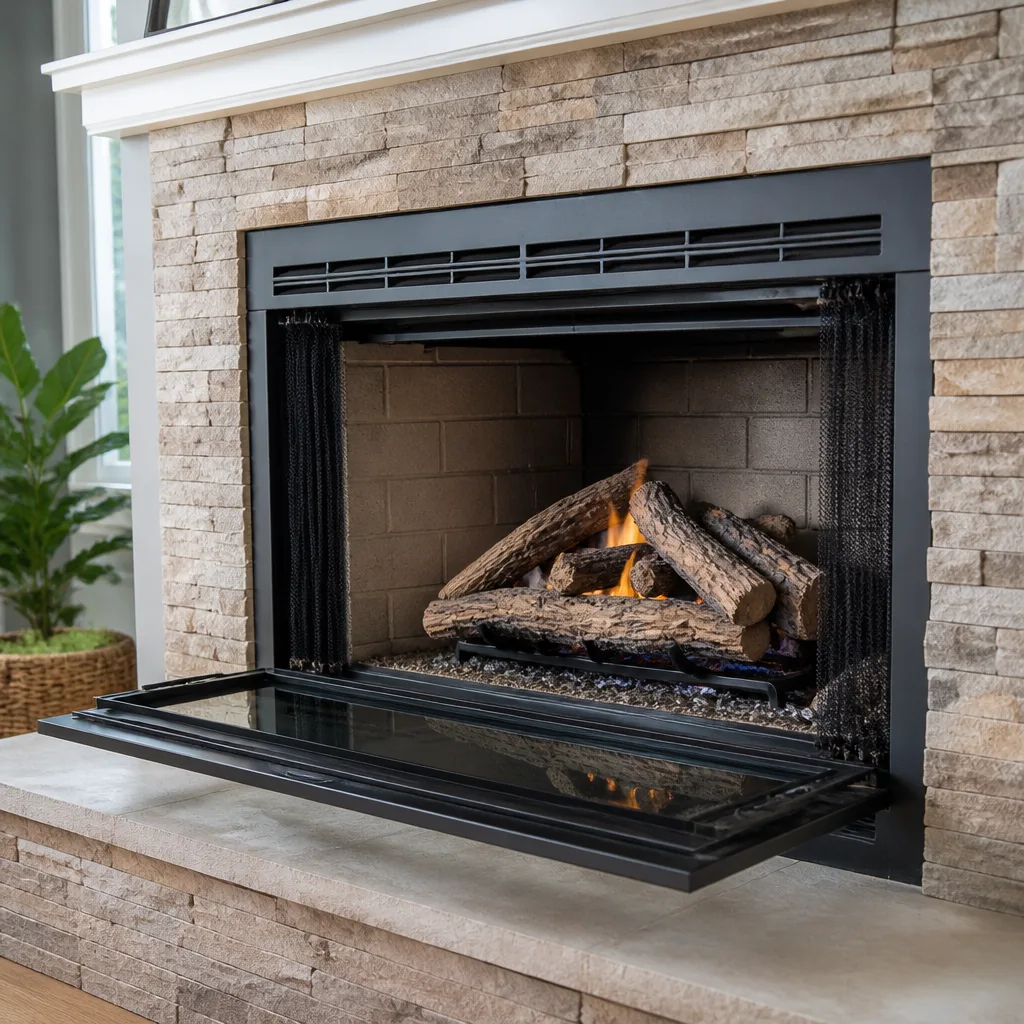 Gas fireplace service
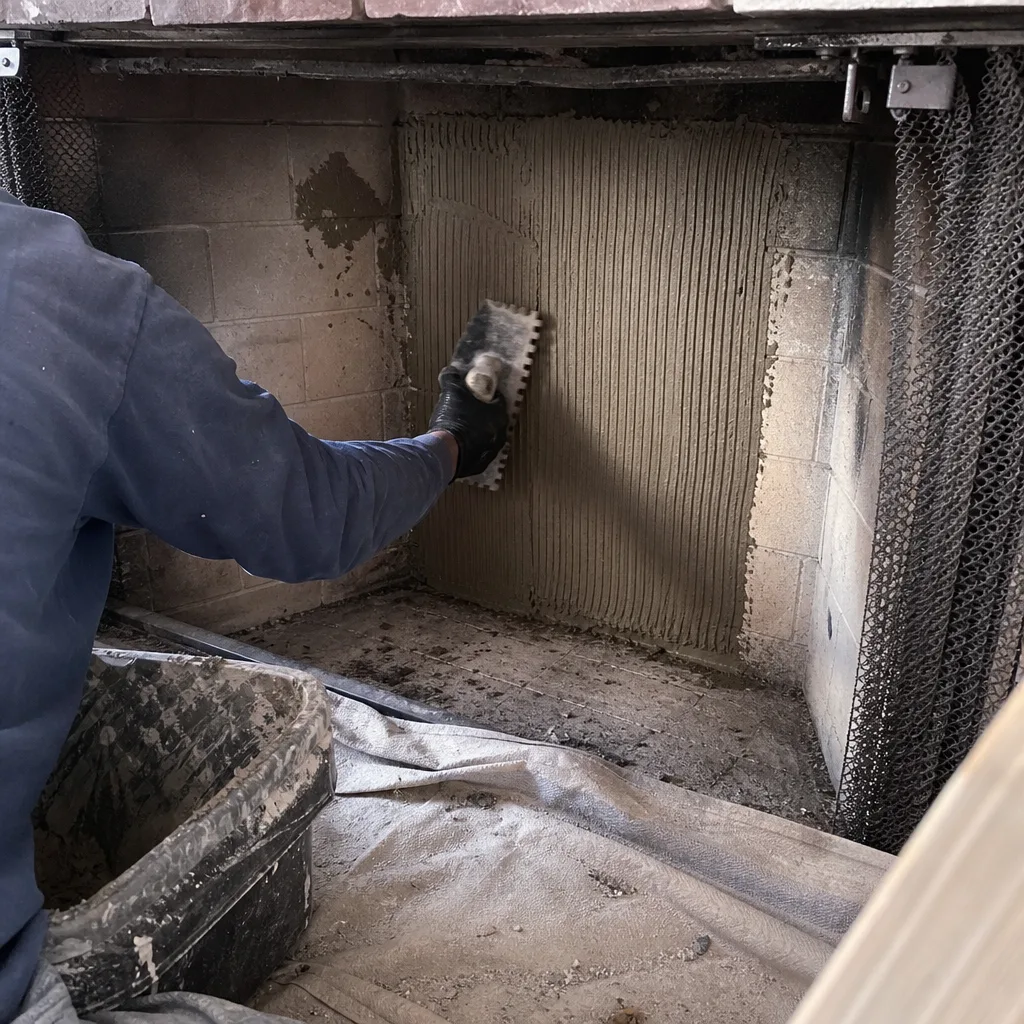
Level 1 sweep and inspection to the NFPA 211 annual standard - flue, crown, cap, and flashing checked and photographed
Chimney sweep logs do not sweep chimneys. They loosen some creosote - which then falls where a brush and vacuum still have to collect it.
The Complete Guide to Chimney Cleaning in Highlands Ranch
Most homeowners in Highlands Ranch assume a chimney sweep is a soot-removal job. It isn’t. The soot is the smallest part of the story. What actually determines whether your chimney is safe heading into burning season is the condition of the flue liner, the firebox, the smoke chamber, the damper, and the crown on top of the stack, and none of that gets checked by a quick brush-and-go. At 5,280 to 6,000 feet, wood burns differently than it does at sea level. Incomplete combustion is more common up here, creosote builds faster than moderate use would suggest, and the freeze-thaw cycles along the Front Range quietly work on mortar joints year after year. This guide covers what a full-system cleaning in Highlands Ranch really involves, what altitude does to your fire, how to tell a real sweep from a cosmetic one, and what “clean” should actually mean when the technician walks out your door.
Quick Answer
Chimney cleaning in Highlands Ranch is a full-system service: a professional sweeps the flue, then inspects the firebox, smoke chamber, damper, and crown, and removes the creosote that accumulates faster at this altitude because wood burns less completely here than at sea level. A typical wood-burning fireplace needs cleaning once a year, and the best time to schedule it is before the heating season starts, when the chimney is cool and any mortar or cap repairs can be finished before the first freeze. Cleaning is not the same as inspection. The sweep removes the hazard; the inspection tells you what condition the whole system is in.
Styles & brands we work with
- Sweep & inspection
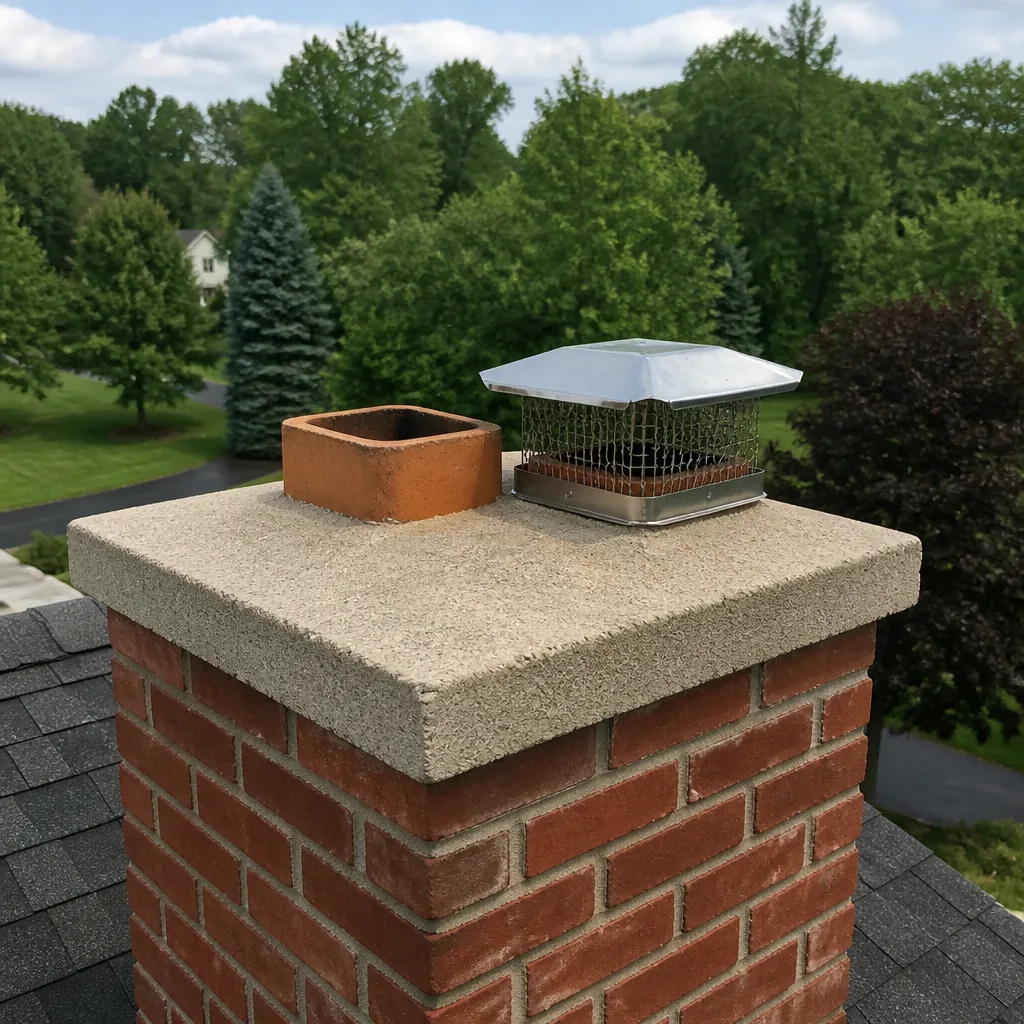
- Caps & crowns
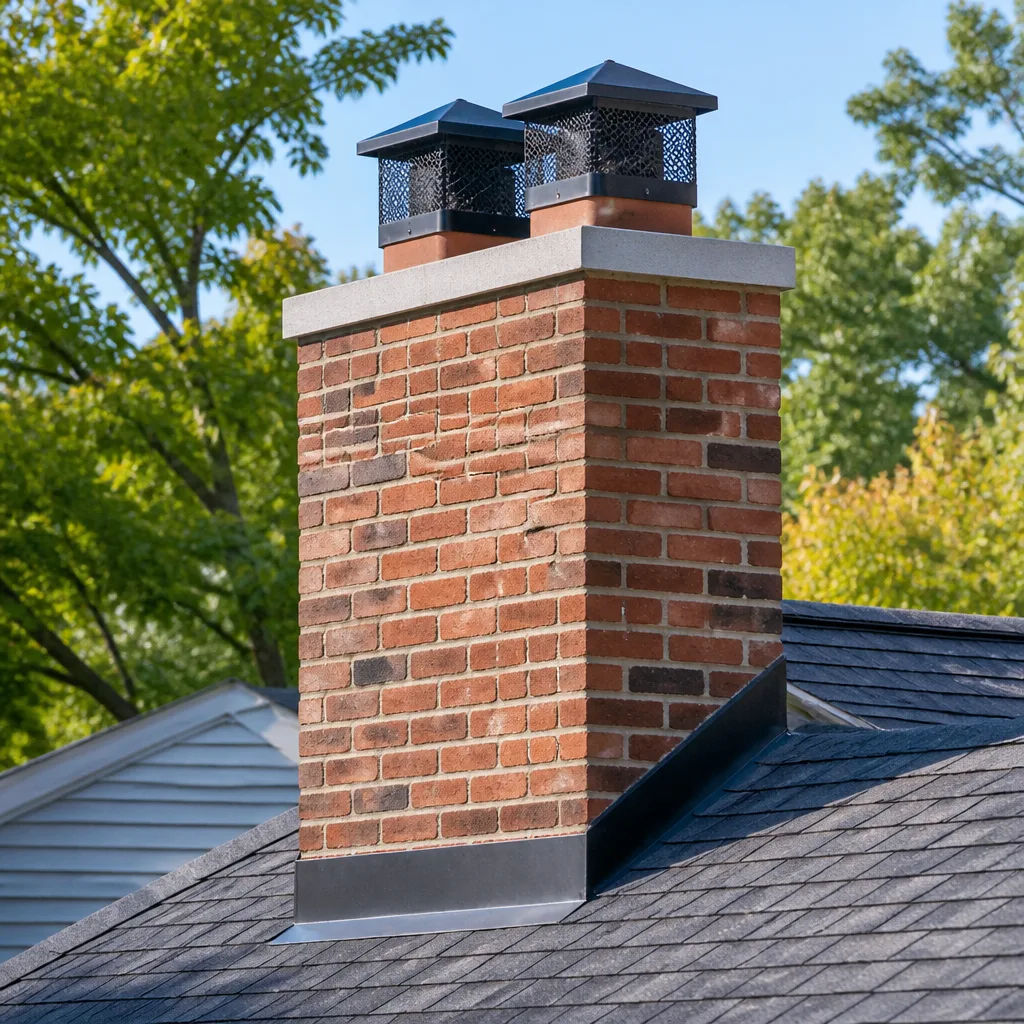
- Flue relining
- Masonry repair
- Gas fireplace service
Table of Contents
- Why Highlands Ranch Chimneys Work Harder Than You Think
- The Three Stages of Creosote and Why the Third One Matters Most
- What a Full-System Cleaning Actually Covers
- Inspection Levels 1, 2, and 3: When Each One Applies
- Freeze-Thaw Cycles, Mortar Joints, and Timing the Cleaning
- What “Clean” Actually Means and How to Verify It
- Common Mistakes to Avoid
- When to Call a Professional
Why Highlands Ranch Chimneys Work Harder Than You Think
Altitude changes fire. At a mile above sea level, there’s roughly 17 to 20 percent less oxygen in a given volume of air than at the coast, and the air itself holds far less moisture. A wood fire needs oxygen to burn cleanly, and a fire that’s starved of it doesn’t stop burning, it just burns badly. You get cooler, slower combustion, more smoke, and more unburned material condensing onto the flue walls as creosote.
That’s the part most homeowners miss. Creosote isn’t a function of how often you burn; it’s a function of how completely the wood burns. A Highlands Ranch homeowner who lights a fire two or three nights a week with well-seasoned wood can still build a meaningful creosote layer over a season, because the combustion chemistry up here is less forgiving than it is at lower elevations. Add the low humidity and the rapid temperature swings along the Front Range and you get a chimney that sees more thermal variation in a week than a coastal chimney sees in a month.
Three things make combustion harder in Highlands Ranch specifically:
- Reduced oxygen density. A fire needs a proper air-to-fuel ratio, and the same firebox pulls less oxygen per cubic foot here than it would at sea level. A damper left open too far or too little changes that ratio fast.
- Wood moisture. Dry, seasoned wood matters everywhere, but at altitude, wood that’s even slightly damp burns cool enough to push creosote production up noticeably.
- Thermal swing. Warm afternoons followed by cold nights mean the chimney shell expands and contracts more aggressively than a milder climate would produce, which is unkind to mortar joints and the crown at the top of the stack.
None of this means you need to clean weekly. It means the annual schedule exists for a real reason up here, and skipping a year costs more at altitude than it would somewhere flatter and warmer.
The Three Stages of Creosote and Why the Third One Matters Most
Creosote is what’s left behind when wood smoke cools before it exits the chimney. It starts as a fine, dusty deposit and gradually transforms into something much harder and much more flammable. Professionals talk about it in three stages, and the stage matters more than the thickness because it determines how the deposit has to be removed and how dangerous it is.
Stage 1 Creosote
A soft, sooty, flaky deposit that brushes off the flue walls with standard chimney brushes. This is what you’ll see after a season of well-managed fires with dry wood and a properly warmed flue. It’s the least concerning stage and the easiest to remove.
Stage 2 Creosote
A harder, more tar-like deposit made of condensed and hardened material. Ordinary brushing doesn’t move it cleanly. Stage 2 creosote needs rotary cleaning tools, and sometimes chemical treatment, to break it down before it can be swept out. It’s the stage where homeowners start to notice fragments falling into the firebox and a chimney that smells smoky even when it’s not in use.
Stage 3 Creosote (Glazed)
Glazed creosote is a shiny, hardened, tar-like coating that’s chemically fused to the flue liner. It’s the most flammable form and the hardest to remove. It requires professional-grade rotary equipment and often a chemical agent to soften it before removal, and it’s the strongest argument against the “we’ll clean it in a few years” mindset. At Highlands Ranch’s altitude, incomplete combustion makes Stage 2 and Stage 3 more common than the homeowner expects from moderate use.
This is also why a proper chimney sweep is a diagnostic job, not a scrubbing job. Knowing which creosote stage you’re dealing with tells us whether your burning habits need adjusting, whether your wood supply is the issue, and whether the flue liner has been exposed to enough heat stress that it should be inspected more carefully. Cleaning removes the hazard. The finding tells you what to change.
What a Full-System Cleaning Actually Covers
Chimney cleaning is often described as sweeping the flue, but a full-system cleaning reaches every part of the system that smoke touches, and it checks the parts that keep water out of it. That’s the difference between a sweep that removes visible soot and a service that actually protects the chimney.
The Five Zones We Cover
- The flue. The interior passage the smoke travels through. This is where the sweep’s brush or rotary tool removes soot and creosote, top to bottom.
- The firebox. The masonry box where the fire actually burns. Mortar joints here crack under repeated heating and cooling, and cracks let heat reach framing.
- The smoke chamber. The sloped cavity between the firebox and the flue. It’s the hardest part of the system to clean with brushes alone and the part most often skipped.
- The damper. The flue opening’s control plate. It’s checked for free operation, a snug seal, and correct opening during use.
- The crown and cap. The concrete top of the chimney and the screen cap over the flue. These are the roof-level defenses against rain, snow, and wildlife.
The system is the point. A flue that’s swept clean but whose crown is cracked will keep taking on water until the masonry above the roofline starts spalling. A chimney with a perfectly sound crown and a damaged damper lets heat out of the house and money out of the heating budget. We inspect before we recommend, so any work that follows comes from what the whole system shows, not from a single component.
Where the Professional Materials Come In
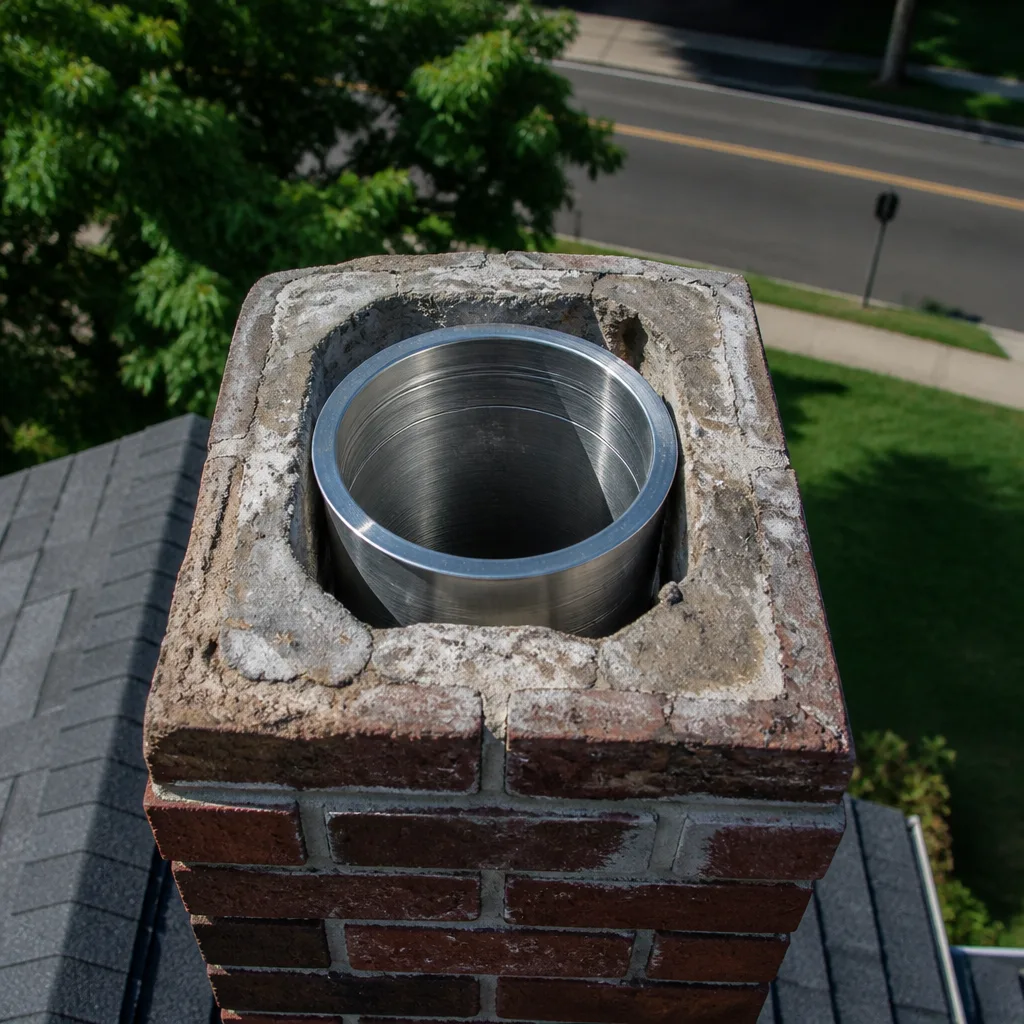
When repair work is needed, the materials don’t all come from the same aisle. Professional chimney work draws on trade-grade product lines, and we’re stocked and trained on several of them: HeatShield for flue resurfacing and liner restoration, Gelco for firebox and refractory repair, Olympia Chimney for liner and venting components, and Famco and Copperfield for caps, dampers, and accessory hardware. These aren’t cosmetic choices. HeatShield, for example, allows a cracked or eroded flue to be resurfaced from the inside rather than requiring a full relining in every case, which is work most sweep-only services simply aren’t equipped to do. Full-system work means one specialist, start to finish, so a sweep finding becomes a repair plan rather than a contractor referral.
Inspection Levels 1, 2, and 3: When Each One Applies
Chimney inspections are classified by scope, and the classes exist because different circumstances require different amounts of investigation. Knowing which level applies to your situation keeps you from paying for more inspection than you need, or accepting less than the situation calls for.
Level 1 Inspection
What it covers: A visual check of all readily accessible parts of the chimney and venting system, plus the firebox, damper, and basic flue condition, typically without specialized camera equipment.
When it applies: Routine annual maintenance when the system has been under continuous use without changes, and no problems have been reported. For most Highlands Ranch homeowners burning the same fireplace season after season, this is the baseline.
Level 2 Inspection
What it covers: Everything in Level 1, plus accessible attic, crawlspace, and roof-level inspection, and a video camera scan of the flue interior to see what a naked eye can’t.
When it applies: A change in the system, such as a new stove or insert installation; a real estate transaction; after a chimney fire; after a major seismic or weather event; and when the flue shows signs of creosote glaze, liner damage, or heavy sooting. This is the level where a real chimney professional finds the problems a Level 1 misses.
Level 3 Inspection
What it covers: Everything in Level 2, plus the removal of parts of the chimney assembly, drywall, or masonry when a serious hidden condition needs to be reached and confirmed.
When it applies: A suspected structural defect, a serious chimney fire, or a known problem that requires opening the structure to diagnose. Level 3 is the lease common and most involved inspection.
Our inspection service is diagnostic, not a checkbox. The point of the inspection is to give you a clear picture of your chimney’s condition while it’s still cheap to address, not after it becomes a repair.
Freeze-Thaw Cycles, Mortar Joints, and Timing the Cleaning
Anyone who has driven around Highlands Ranch in winter knows the pattern: a warm, sunny afternoon thaws the snow, then the night plunges well below freezing and refreezes it. That same cycle runs through your chimney’s masonry, and it’s the single biggest driver of durability problems on the Front Range.
Masonry is porous. It absorbs a little water from rain, snowmelt, and condensation. When the temperature drops, that water freezes and expands. When it thaws, it contracts again. Repeat that cycle several times a season and microscopic cracks in the mortar widen, tiny spalls open on the brick face, and eventually joints start to fail. Water is the one thing that accelerates all of it. That’s also why cap and crown work matters more here than it would in a milder climate. Most chimney water damage starts at the top. A properly installed cap keeps precipitation, birds, and debris out of the flue, and a well-built crown sheds water off the top of the masonry instead of letting it soak in. Cap and crown installation addresses the root cause in a single visit and protects every part of the system below it.
Timing matters for another reason. The best window for cleaning and any follow-on repair is before the heating season gets going, when the weather allows roof access and when mortar or cap repairs have time to cure before the first hard freeze. Once the cold settles in, work up top becomes harder to do and the chimney is in its most vulnerable state. A sweep scheduled in late summer or early fall catches the creosote from last season, lets any repair work settle in before winter, and sends you into the burning months knowing the whole system is sound. It also means we can tell you plainly when work can wait until spring rather than push it into a season that doesn’t serve it.
If your chimney cap is missing, loose, or showing a rusted or damaged screen, that’s the first thing to address, and it’s the repair that protects everything else. A cap costs far less than a masonry rebuild.
What “Clean” Actually Means and How to Verify It
A swept chimney should have no visible soot on the firebox surfaces, no creosote coating visible above the damper from below, and a clean smoke chamber behind the damper. The hearth should be protected during the work and left clean afterward, and the floor and furniture shouldn’t be covered in soot when the technician leaves. Those are the surface results. The more important verification is that the technician showed you what they found before recommending anything.
Six things to check before your technician leaves:
- Ask to see the firebox and flue opening. A chimney swept properly will look clean in the firebox, and you should be able to look up past the damper without seeing heavy soot.
- Ask about the flue’s condition, not just the soot. You want a specific description of the liner, the smoke chamber, and the cap.
- Ask for a camera or photo record. Good inspection work gives you something you can see for yourself, not a verbal report.
- Ask what stage of creosote was found. If the answer is Stage 2 or Stage 3, ask what it means for how you burn.
- Ask about the damper and crown. A “clean” report that ignores these isn’t a complete assessment.
- Ask what can wait. A specialist who says plainly when work can safely wait is one you can trust when they say it can’t.
“Clean” without inspection is just a surface pass. The real question is whether the sweep found something you need to act on before the next burn season, and whether they can show you why.
Common Mistakes to Avoid
- Skipping the annual sweep because “we only burn a few times a month.” At Highlands Ranch’s altitude, even moderate use can build Stage 2 creosote because combustion is less complete up here. Moderate use is not a reason to skip.
- Treating cleaning as the entire service. Soot removal is the easy part. If the technician doesn’t look at the firebox, smoke chamber, damper, and crown, the chimney hasn’t really been serviced.
- Putting off cap and crown repairs into winter. The freeze-thaw cycles along the Front Range are what turn a small crack into a masonry repair. Once the hard freezes start, the window is gone.
- Burning unseasoned wood. Damp wood burns cool at any elevation, and at altitude the creosote penalty shows up faster. Dry, seasoned wood is the single biggest variable you control.
- Assuming a swept flue means the system is fine. The liner, firebox mortar, and crown don’t get checked by a brush. They get checked by an inspection.
- Letting one contractor sweep and another repair. Handoff errors between a sweep company and a separate repair contractor are exactly how problems go from a finding to a bill. One specialist, start to finish.
- Waiting for a problem to become a chimney fire to schedule the inspection. The inspection is inexpensive compared to the repair it prevents, and the whole point of the annual schedule is to catch problems before they escalate.
If you’re looking for a chimney sweep that treats cleaning as a diagnostic visit rather than a scrubbing appointment, that’s the standard you should hold every contractor to in Highlands Ranch.
When to Call a Professional
Call a professional when you don’t know when the chimney was last cleaned, when you’re burning a wood fireplace or stove and it’s been more than a year, when you smell smoke in the house during burning, or when you see a creosote glaze or soot streaks coming out of the firebox. Call when your chimney cap is missing or damaged, when you see a crack in the crown, or when the masonry looks spalled or stained above the roofline. Call before you buy a home with a wood-burning chimney, because the inspection could be the difference between a clean pass and a liner repair. Call when you’re planning to burn for the first season in a new house and have no service history. And call before winter when you want to time things well rather than after the first freeze changes the schedule.
Skin-level creosote, hard deposits, a warped damper, and a cracked crown are all things a trained professional should assess. Anything that involves the flue liner, firebox masonry, or electrical components of a fireplace should not be a do-it-yourself project; the stakes are too high for a brush-and-pray approach, and a trained technician has the equipment and the eye for what actually needs to happen. If your chimney is showing any of these signs, treat it as a call-now situation rather than a wait-and-see one.
For a free estimate in Highlands Ranch, call (833) 482-6314. We answer 24/7. Fast dispatch from 7am to 7pm, Sunday through Friday.
See the difference
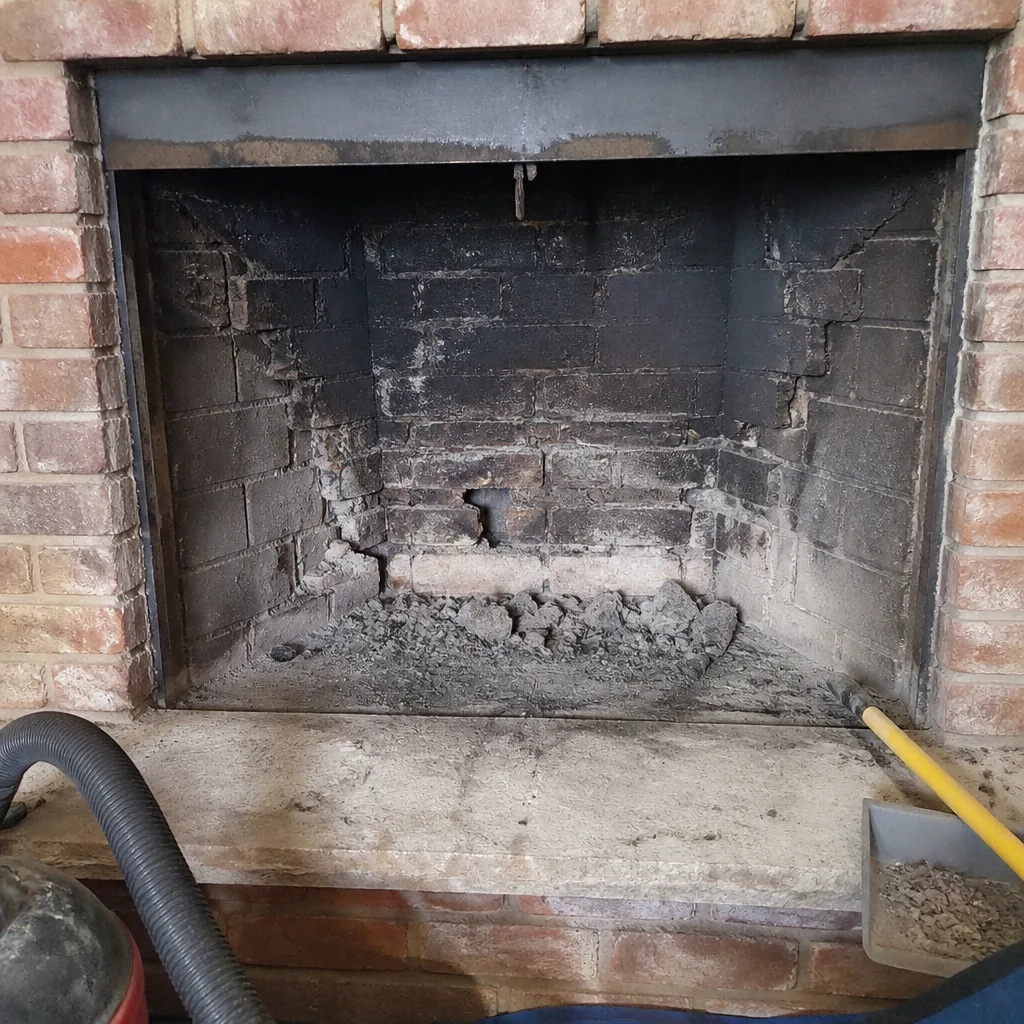 Before
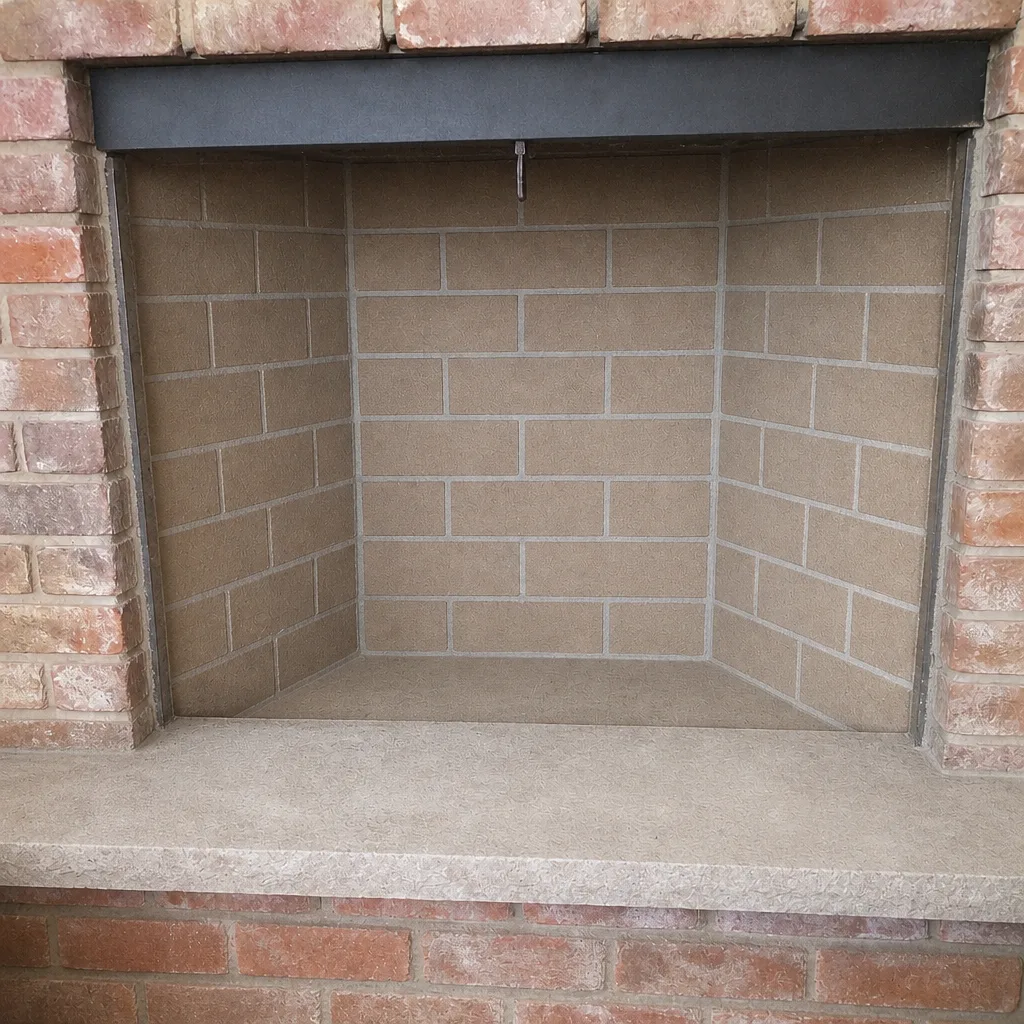 After
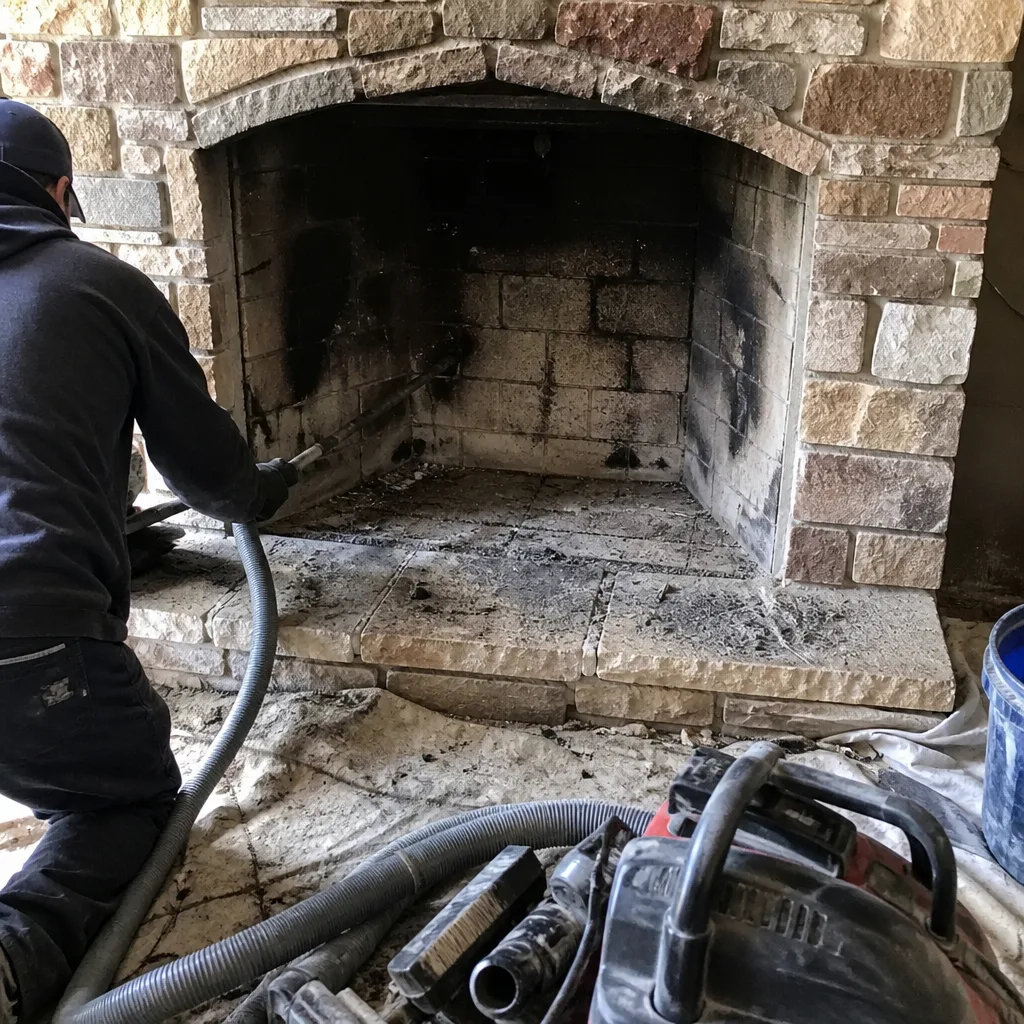 Before
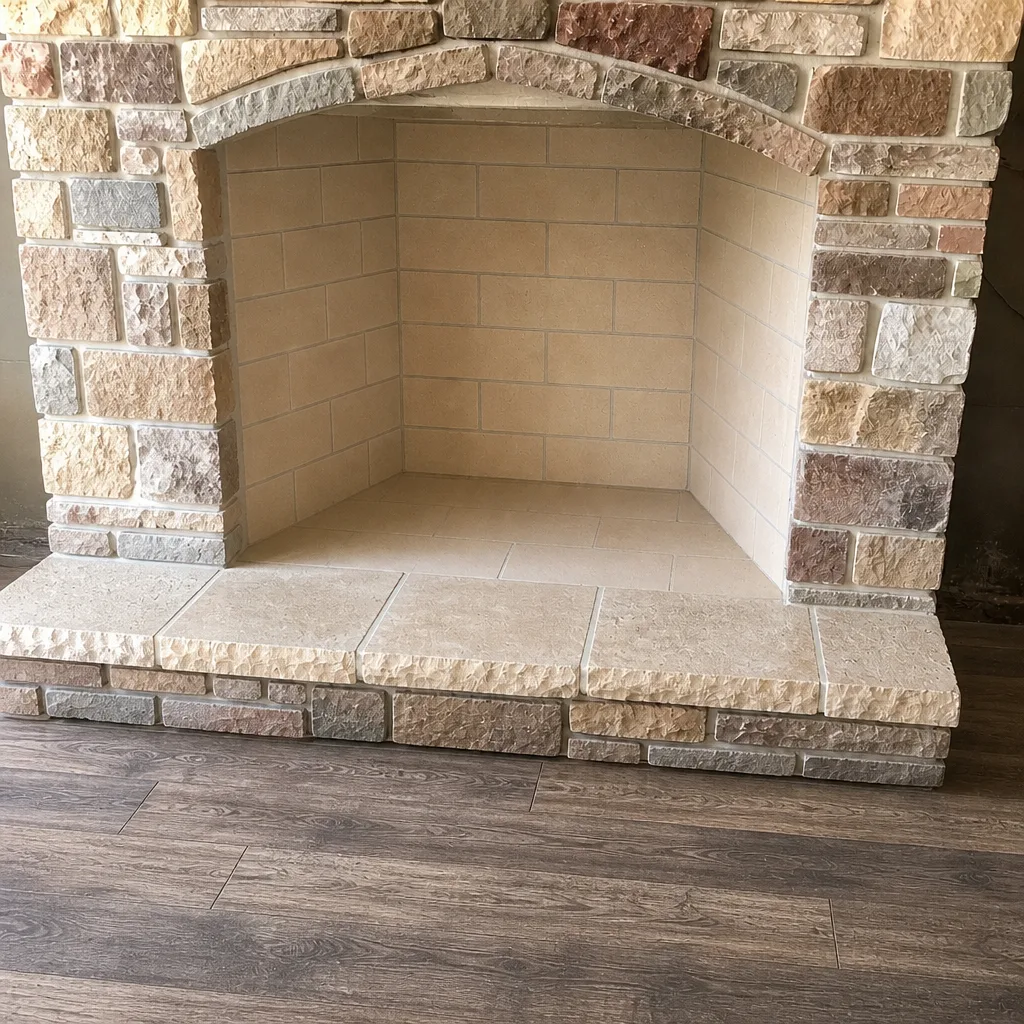 After
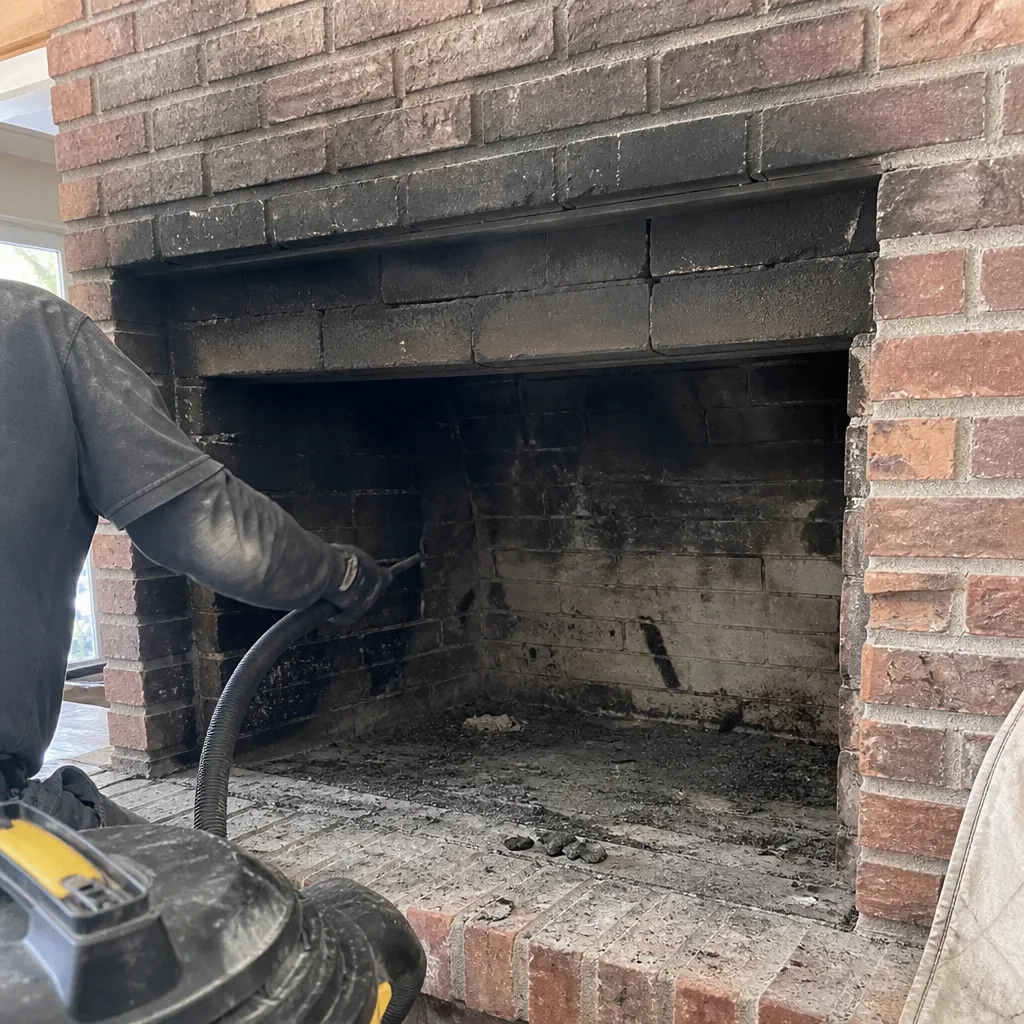 Before
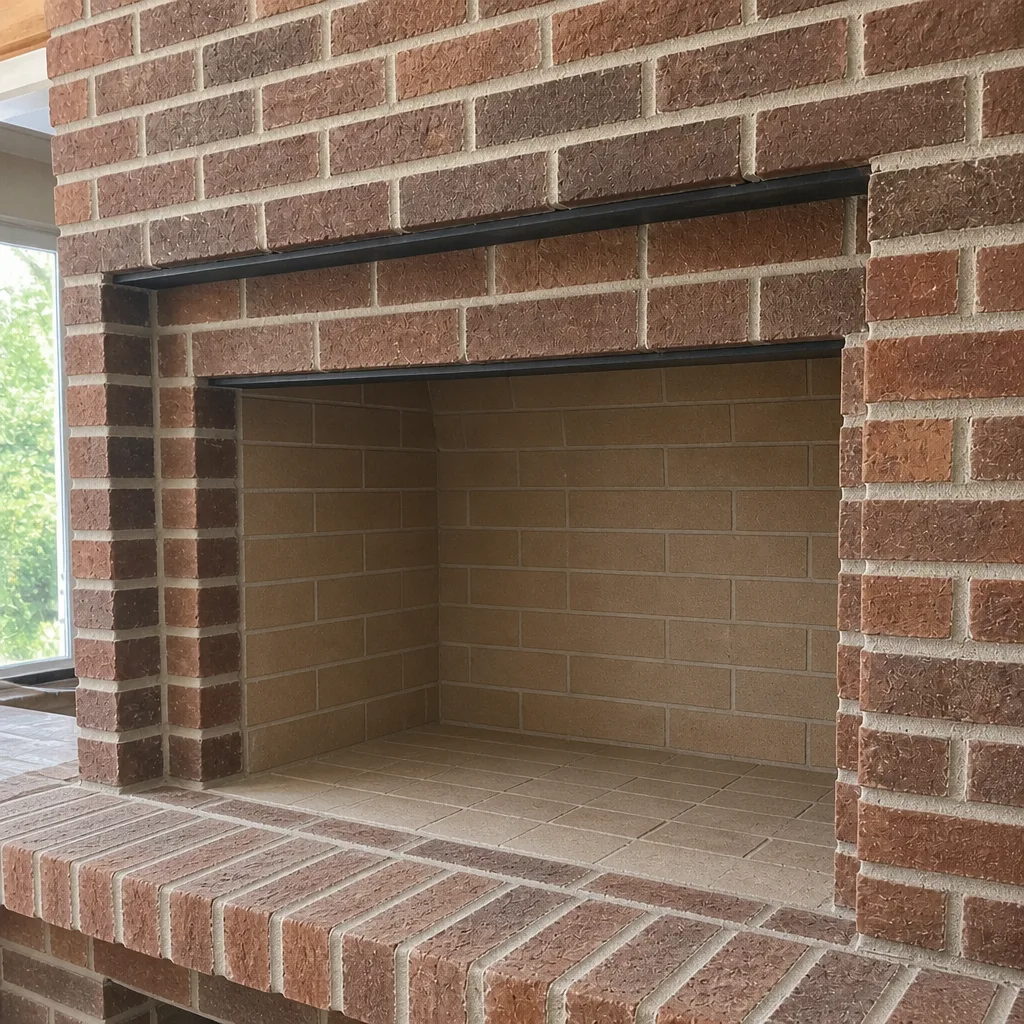 After
Frequently Asked Questions
A standard chimney sweep in Highlands Ranch is a per-job service, and the price is set by a written estimate rather than by a flat national number. Cleaning is the base job; any repair or liner work found during the inspection is quoted separately, and the estimate is free. Call (833) 482-6314 for an exact quote. Estimates are free, and a written estimate sets the final price.
Once a year for a wood-burning fireplace in normal use. The altitude and the Front Range’s temperature swings mean creosote builds faster here than moderate fireplace use would suggest, so the annual sweep is the realistic floor, not a luxury. Gas fireplaces and stoves still warrant an annual inspection even when the flue needs less cleaning.
Not always, and that’s exactly why the inspection comes first. A liner is recommended when the camera shows cracks, gaps, or glaze damage that no longer protects the surrounding masonry; if the liner is sound, resurfacing work such as a HeatShield application may be an option instead of full replacement. Nothing is recommended without camera evidence you can see for yourself. Call (833) 482-6314 for an exact quote.
Soot and creosote accumulate, and the glazed creosote stage is flammable and hard to remove. Skipping a sweep also means the cracks in the firebox, the damaged crown, and the failing liner that the annual inspection would have caught don’t get caught. Chimney fires and carbon monoxide problems are the two risks a skipped cleaning leaves unaddressed, and both are avoidable with an annual visit.
At 5,280 to 6,000 feet, the air holds less oxygen, so wood burns less completely and produces more unburned material that condenses as creosote. The low humidity and temperature swings along the Front Range also work on mortar joints and the crown. That combination is why Highlands Ranch chimneys warrant the same annual schedule as lower-elevation ones, with less margin for skipping a year.
No, and not because the job is difficult so much as because it’s diagnostic. A homeowner with a brush can move some soot, but can’t assess the creosote stage, inspect the smoke chamber behind the damper, or evaluate the liner and crown, and the equipment needed for real cleaning and glazed-creosote removal isn’t a hardware-store purchase. A trained technician has the tools and the eye for what actually needs to happen.
The Bottom Line
Chimney cleaning in Highlands Ranch is a full-system service, not a soot-removal errand. The altitude reduces combustion efficiency, which means creosote builds faster than moderate use suggests, and the Front Range’s freeze-thaw cycles make water intrusion into the crown and mortar joints a real and predictable problem. The annual sweep handles the creosote; the inspection handles everything else. Use the inspection levels properly, time the work before the hard freezes, and hold the result to a standard you can actually verify. Every sweep should come with a clear picture of the whole system and an honest answer about what can wait.
If it’s time to get your chimney assessed, call Highlands Ranch Chimney Sweep at (833) 482-6314 for a free estimate. We answer 24/7. Fast dispatch from 7am to 7pm, Sunday through Friday. We inspect before we recommend, and any chimney repair or fireplace repair work follows from what the whole system actually shows. Visit Highlands Ranch Chimney Sweep to see how we approach it.
Written by the team at Highlands Ranch Chimney Sweep.