
Last updated November 25, 2026
 Sweep & inspection
 Caps & crowns
 Flue relining
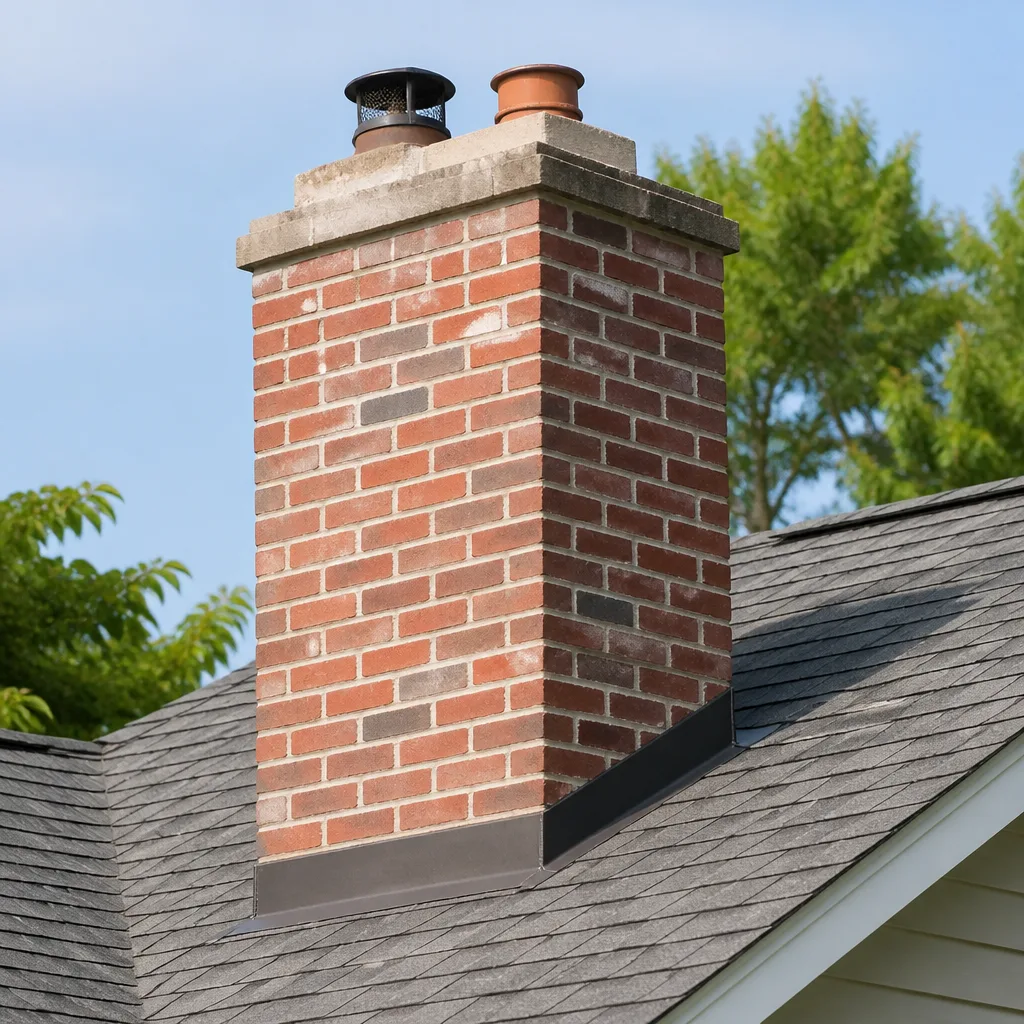 Masonry repair
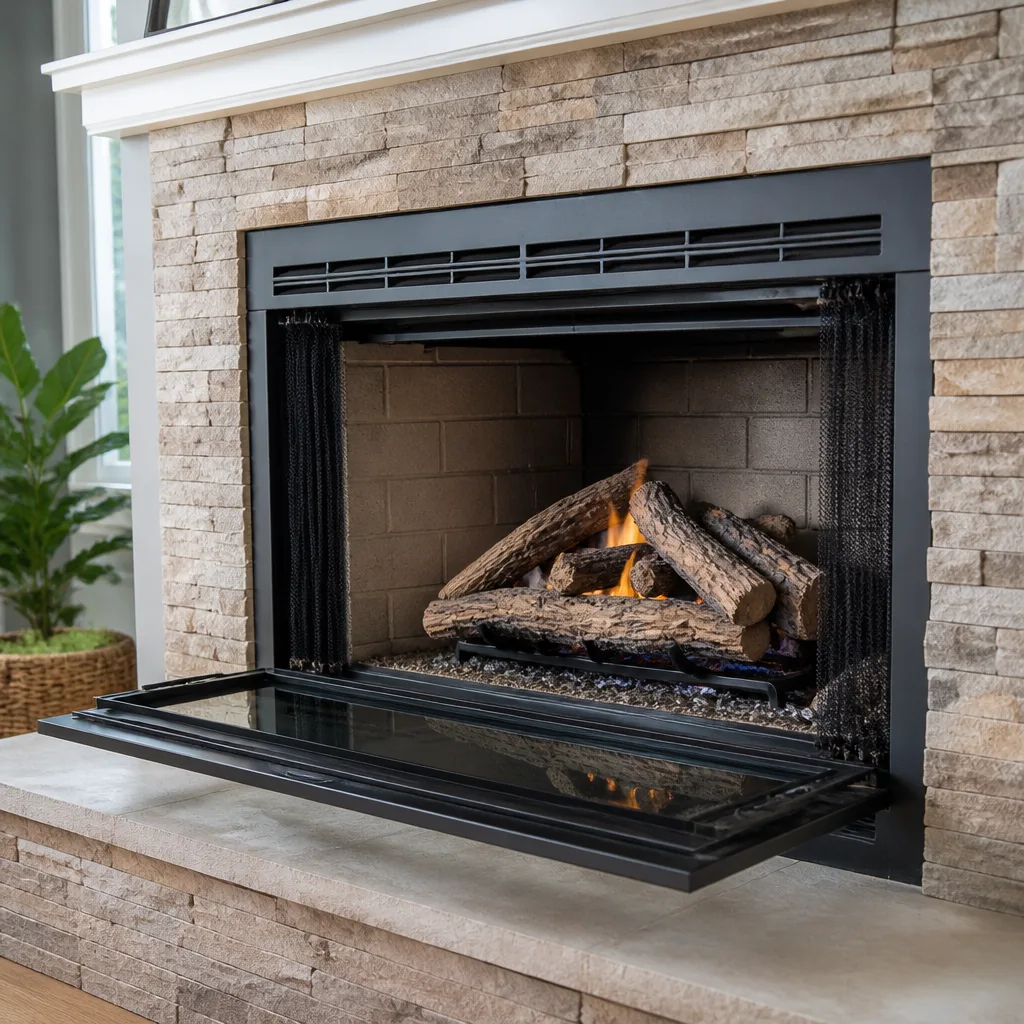 Gas fireplace service
Level 1 sweep and inspection to the NFPA 211 annual standard - flue, crown, cap, and flashing checked and photographed
Chimney sweep logs do not sweep chimneys. They loosen some creosote - which then falls where a brush and vacuum still have to collect it.
Chimney Cleaning Permits, Codes & Inspections in Highlands Ranch, CO: What You Need to Know
If a technician replaces your flue liner or rebuilds your firebox without pulling a permit, that work doesn’t legally exist when a home inspector walks through it at sale. Buyers’ attorneys know exactly how to find that gap, and title searches in Highlands Ranch can surface unpermitted modifications in the middle of a closing. The confusing part is that cleaning itself rarely requires a permit at all. Repairs and modifications are a different story. In this guide, we’ll cover what Colorado and Douglas County actually require for chimney work, which standards govern the system, and how permit history follows a home through resale in Highlands Ranch.
Quick Answer
Chimney cleaning alone does not require a permit in Colorado, but repairs and modifications to the chimney system often do under local building codes that follow the International Residential Code (IRC). A CSIA Level 2 inspection is standard practice at the sale of a Highlands Ranch home, and that inspection is separate from any municipal building inspection. The safest approach is to ask your contractor for permit documentation before work begins and keep it with your home records.
Styles & brands we work with
- Sweep & inspection
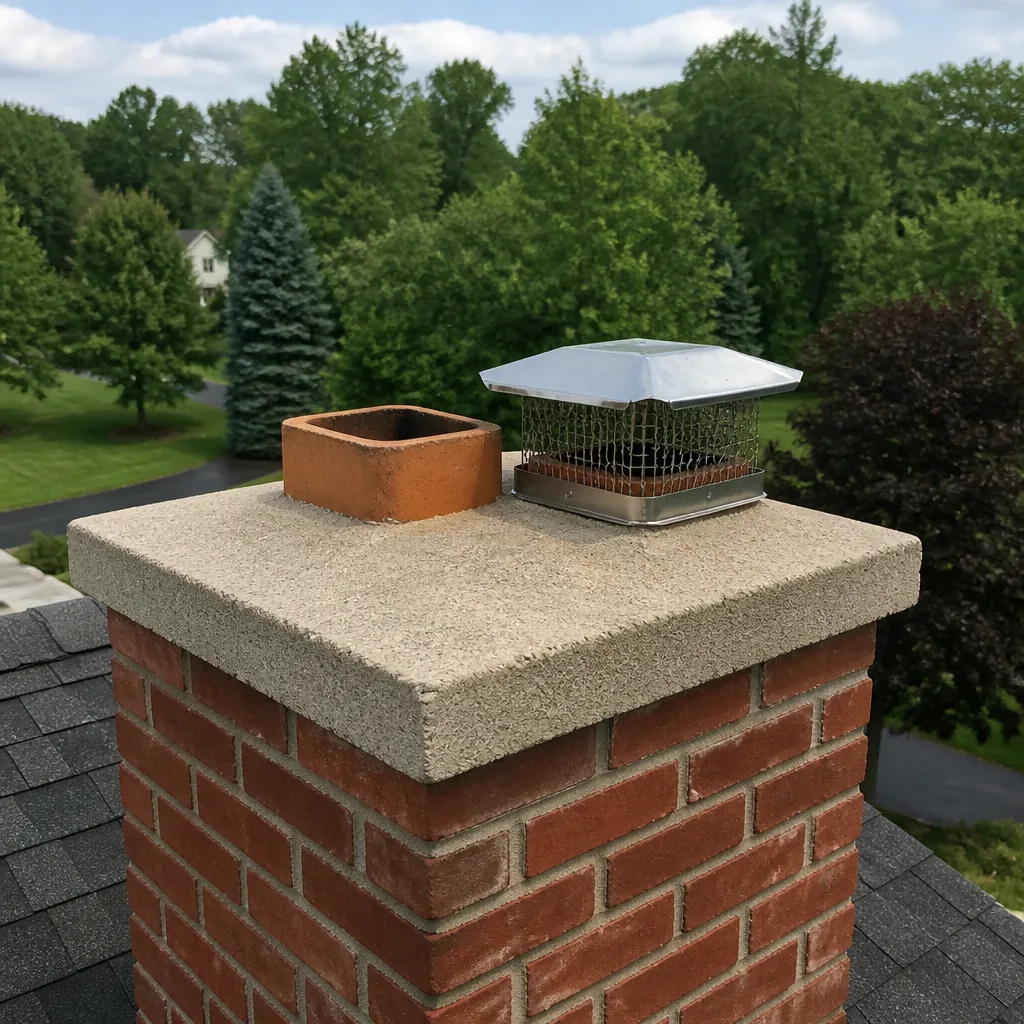
- Caps & crowns
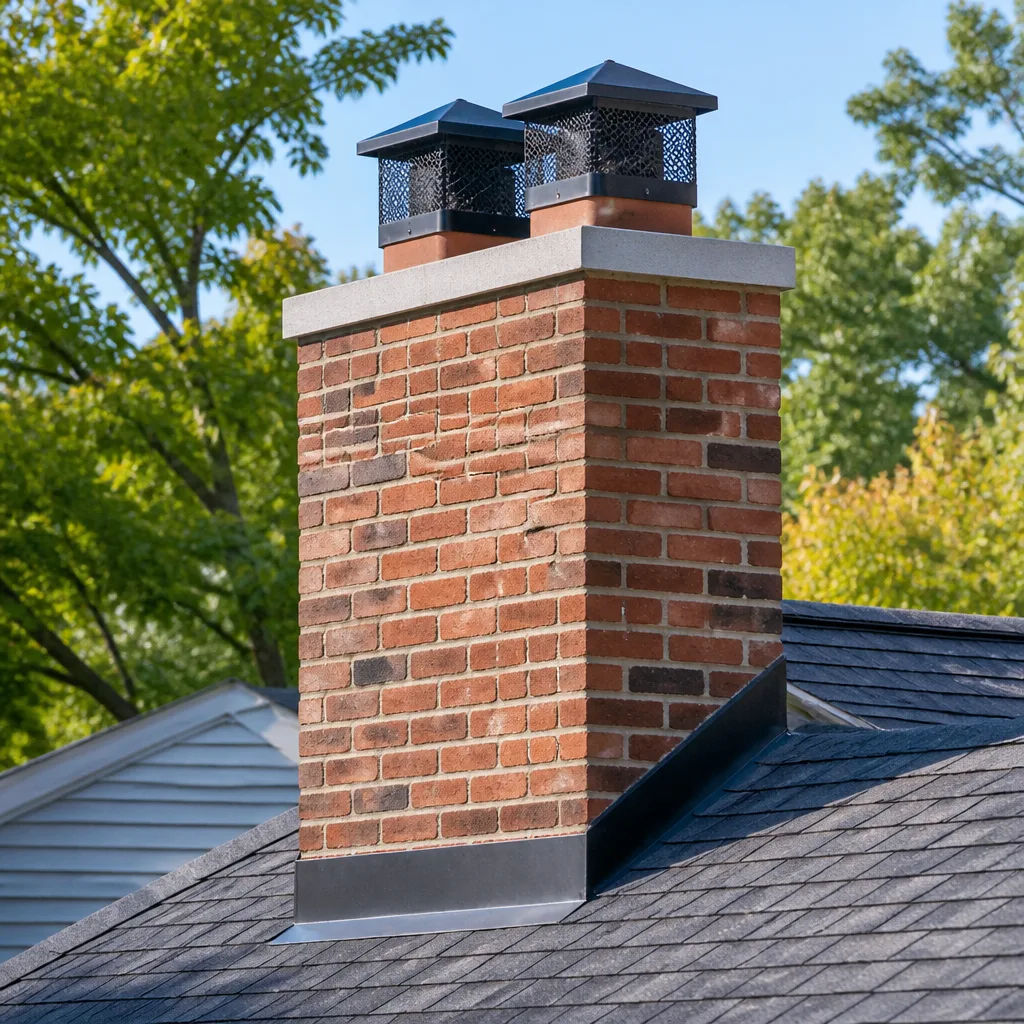
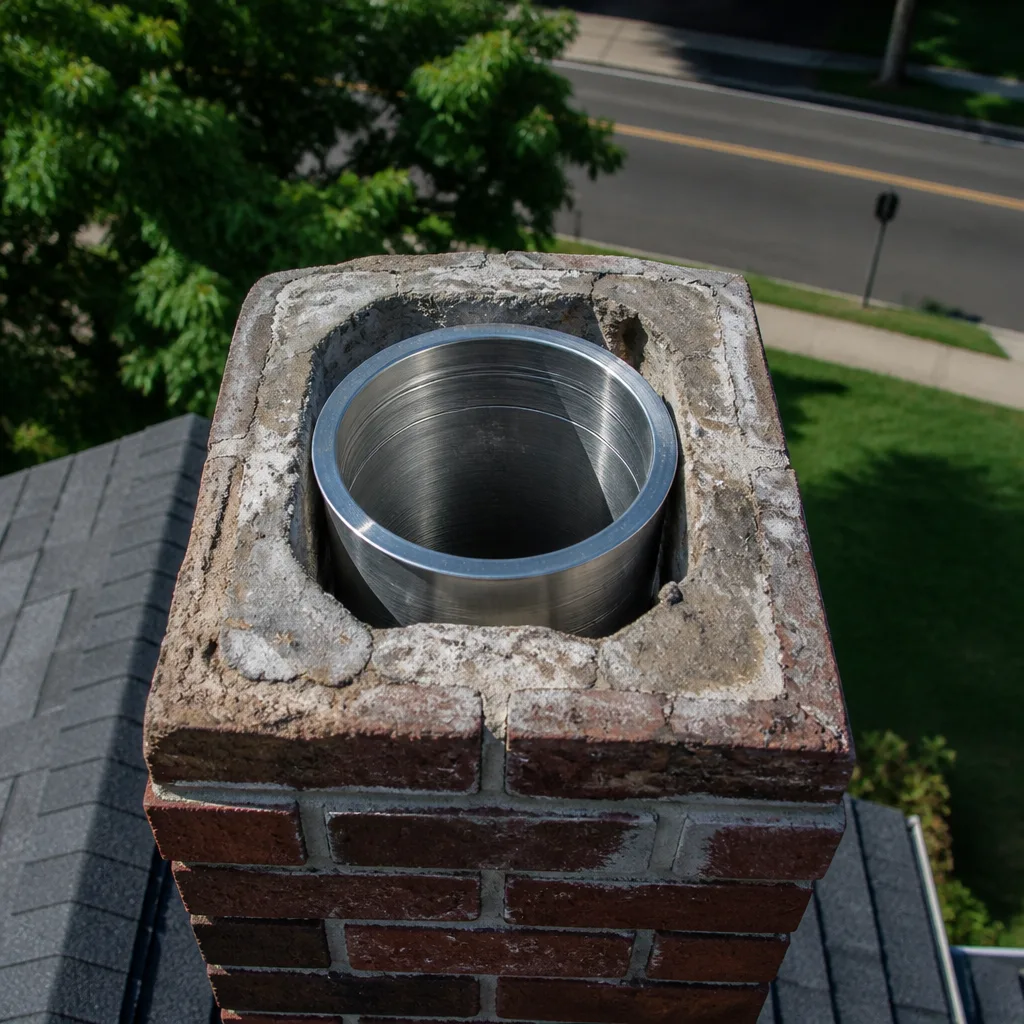
- Flue relining
- Masonry repair
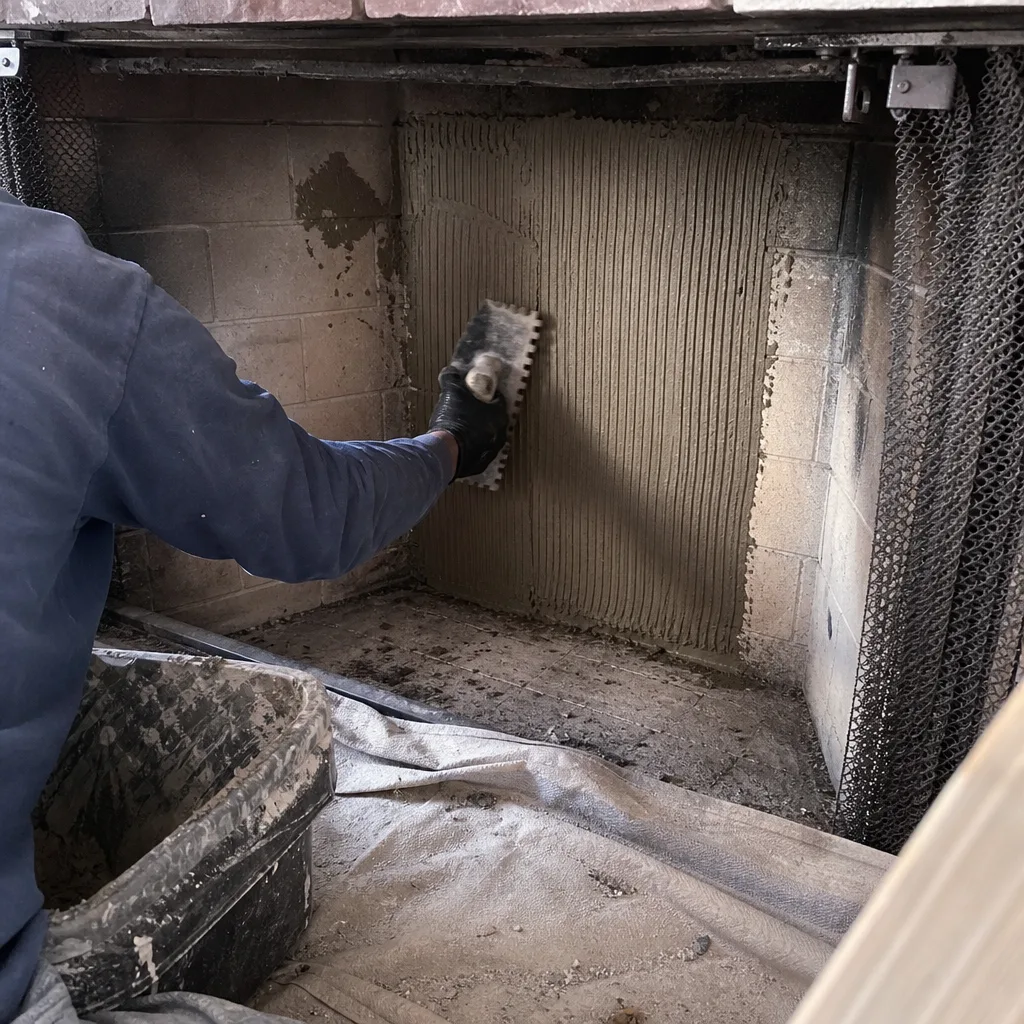
- Gas fireplace service
Table of Contents
- What Colorado and Douglas County Code Actually Requires
- The IRC and NFPA 211: The Standards Behind the Rules
- How Permit History Affects a Home Sale in Highlands Ranch
- CSIA Level 2 Inspection vs. Municipal Building Inspection
- How to Request Permit Documentation From a Contractor
- What to Do If Previous Work Was Done Without a Permit
- When a Chimney Job Needs a Permit
- Why Highlands Ranch Climate Makes This Matter
What Colorado and Douglas County Code Actually Requires
Colorado doesn’t have a statewide chimney permit rule. Building codes are adopted and enforced at the local level, and Highlands Ranch falls under Douglas County’s jurisdiction for most residential construction. That means the rules that apply to your chimney come from whatever version of the IRC the county has adopted, plus any local amendments. The practical upshot: routine cleaning doesn’t generate a permit, but a new liner, a firebox rebuild, or a structural change to the chimney stack usually does.
Here’s how it typically breaks down for Highlands Ranch homeowners:
- Cleaning and sweeping: No permit required. This is maintenance, not construction.
- Flue liner replacement (relining): Often requires a permit, because it changes the material and structure of the venting system.
- Firebox rebuild or refractory repair: Usually requires a permit, especially when masonry is removed and replaced.
- New chimney cap or crown installation: Typically no permit, unless the work involves structural changes to the stack.
- Adding or replacing a fireplace insert or appliance: Commonly requires a permit and often an inspection of the venting.
- Chimney height changes or extensions: Requires a permit in nearly every jurisdiction.
The specific adoption cycle matters less than the pattern: if a contractor is opening up the chimney system and putting something different back, a permit is probably involved. We always recommend confirming directly with Douglas County’s building department for any job that isn’t clearly maintenance-only, because the answer sometimes changes with the equipment and the scope.
The IRC and NFPA 211: The Standards Behind the Rules
Two documents govern how a chimney is supposed to be built and maintained. The International Residential Code (IRC) is the model building code most Colorado jurisdictions adopt, and it references chimney specifications in its Chapter 10 and appliance venting provisions. NFPA 211 is the Standard for Chimneys, Fireplaces, Vents, and Solid Fuel-Burning Appliances, published by the National Fire Protection Association. Together, they define clearance-to-combustibles, liner material, flue sizing, and inspection intervals.
Local inspectors in Douglas County reference these standards when they review a permit application or walk a job. That matters for a Highlands Ranch homeowner in two ways:
- It gives you a measuring stick. If a contractor proposes a fix that contradicts what NFPA 211 says about, say, clearance to combustible framing, that’s a red flag worth asking about before the work starts.
- It connects the repair to the inspection. A municipal inspector approves the job against the code. A CSIA inspector evaluates the finished system against these same standards, plus real-world condition. They’re related but not the same.
In our experience, most of the disputes we encounter between homeowners and contractors come down to a misunderstanding of what these standards require. A liner installation that passed a quick visual check can still fail an NFPA 211 review if liner sizing or material doesn’t match the appliance. We inspect before we recommend, and the standards are the language we use to explain why.
If you want a closer look at the inspection piece, our team covers it in the chimney sweep page for Highlands Ranch homeowners.
How Permit History Affects a Home Sale in Highlands Ranch
Permit history follows a house. When you sell a home in Highlands Ranch, the buyer’s inspector is going to look at the chimney, and a title search can surface records of permits pulled and inspections completed. What buyers’ attorneys know is that a gap between a visible chimney modification and no corresponding permit record can create a disclosure problem at closing.
In practice, this plays out in three places:
- The seller’s disclosure. If you’ve had a liner replaced and you don’t have the permit, the honest disclosure is “work was done without a permit,” which can trigger renegotiation or a request for a fresh inspection.
- The buyer’s inspection report. A sharp inspector will note a newer liner or firebox against the age of the home and ask questions. If the permit record doesn’t exist, that becomes a repair negotiation.
- The title company. When a county has open permits on file, title can flag them and hold up the close until they’re resolved.
Highlands Ranch has a lot of homes that have been through one or two owners already. Modifications made in the 2000s or even earlier sometimes lack documentation simply because nobody kept it. The fix isn’t complicated, but it needs to happen before the sale, not after. Getting a Level 2 inspection and a written record of the chimney’s condition is the most reliable way to establish what’s actually there.
CSIA Level 2 Inspection vs. Municipal Building Inspection
These two inspections sound similar and get conflated all the time. They answer different questions. A municipal building inspection asks “does this work meet code?” and happens during or right after construction. A CSIA Level 2 inspection asks “is this chimney system in safe, serviceable condition right now?” and can happen any time, including at the sale of a home.
The CSIA (Chimney Safety Institute of America) defines three levels of inspection:
- Level 1: A visual check of accessible portions of the chimney and appliance. Appropriate for routine annual service when nothing has changed.
- Level 2: Everything in Level 1, plus accessible portions of the attic, crawlspace, and other hidden areas, with video scanning of the flue. Required by NFPA 211 when a home is sold, when an appliance is changed, or after a chimney fire or earthquake.
- Level 3: Everything in Level 2, plus removal of parts of the chimney or building to access concealed areas. Used when a serious hazard is suspected but not visible.
For a Highlands Ranch home sale, the Level 2 is what buyers and their inspectors expect. The municipal building inspection doesn’t replace it, because a building inspector approves a job against code, not the whole system’s condition. Both can matter in the same transaction: the record that a repair was permitted, plus the report that the finished system is safe today.
For repair work that follows an inspection, we offer a clear path in our chimney repair service for Highlands Ranch.
How to Request Permit Documentation From a Contractor
Asking for permit documentation is a normal part of hiring anyone for chimney work. A contractor who does this regularly has the paperwork or can get it in minutes. A contractor who doesn’t may push back, and that’s information. Here’s a straightforward approach:
- Ask up front, before the estimate is signed. “Will this job require a permit, and who’s pulling it?” The answer should be specific.
- Get the permit number in writing. A photo of the permit card or an email with the number is enough. Verbal reassurance isn’t.
- Confirm who calls for inspection. The contractor typically schedules the inspection with the county. You should know when it’s happening.
- Request the final inspection sign-off. After the inspection passes, ask for a copy of the sign-off. That document travels with the house.
- Keep everything with your home records. A folder with permits, inspection reports, and receipts is what a buyer’s attorney will want to see.
One more thing: a legitimate contractor won’t ask you to pull your own permit for the work they’re doing. Owner-builder permits are meant for homeowners doing their own work, not for a contractor trying to avoid the paperwork. If someone suggests this, treat it as a warning sign.
For Highland Ranch homeowners considering a firebox or refractory rebuild that may require permitting, our fireplace repair page explains the scope.
What to Do If Previous Work Was Done Without a Permit
Unpermitted chimney work is common in Highlands Ranch homes that have been through several owners. It’s not the end of the world, but it does need to be resolved, and the resolution depends on what the work actually is. The first step is a diagnostic inspection to establish what’s physically present.
From there, one of three paths usually applies:
- Retroactive permit. Many jurisdictions allow a homeowner to pull a permit for existing work and have it inspected. If the work meets current code, the permit is issued and closed. If it doesn’t, you’ll get a list of corrections.
- Correct and permit. If the work has issues, the fix happens first, then the permit is pulled for the corrected work. This happens more often than you might expect with liner installations.
- Document and disclose. If the work predates current code and is safe but not to current standard, sometimes the right answer is a written inspection record and disclosure at sale. Not every gap requires removal.
We’ve seen all three. The important thing is not to guess. A CSIA Level 2 inspection with photo and video documentation gives you a factual record of what’s there, which is what a title company, a buyer’s attorney, or a county inspector will ask for. Nothing gets recommended without evidence you can see for yourself.
When a Chimney Job Needs a Permit
The cleanest way to know if a permit is needed is to ask, but here are the situations where Highlands Ranch homeowners should expect to hear “yes” from the county. Note that a chimney cap or crown installation typically does not require one, because it’s an exterior cap rather than a change to the venting system.
- Replacing the flue liner, whether with stainless (DuraFlex, Olympia Chimney) or a cast-in-place system like HeatShield
- Rebuilding the firebox or replacing firebox refractory panels
- Adding or changing a fireplace insert or wood stove
- Changing the height or structure of the chimney stack
- Converting a wood-burning fireplace to gas or the reverse
- Running a new flue through an existing masonry chimney for a new appliance
Jobs that usually don’t require a permit in Highlands Ranch:
- Annual sweeping and cleaning
- A CSIA Level 1 or Level 2 inspection
- Cap and crown installation or replacement (with some exceptions for complex roof configurations)
- Minor masonry tuckpointing where the chimney’s structure isn’t changed
- Damper repair or replacement of similarly sized components
Douglas County’s building department is the final word on any specific job. If you’re working through a repair estimate with us, we’ll tell you what we expect the permit situation to be before the work is scheduled.
Why Highlands Ranch Climate Makes This Matter
Highlands Ranch sits at elevation in Douglas County, which means cold winters, significant freeze-thaw cycling, and a real heating season that runs longer than many homeowners expect. That combination stresses a chimney in specific ways that matter for permitting and inspection.
Freeze-thaw cycling drives water into masonry, which expands and contracts. That movement can crack the crown, open mortar joints, and compromise the flue. Once the flue is compromised, the question of whether to reline comes up quickly, and that’s a permitted job. Highlands Ranch homes built across the community’s several decades of development often sit on masonry chimneys that have been through a lot of these cycles. A cap and crown that’s failed is the number-one source of the water damage that leads to structural repairs.
Our local weather also shortens the practical repair window. Cold snaps and snow make exterior masonry work trickier, so repairs and permit inspections often get squeezed into spring and fall. If you’re planning a sale in the next year, getting the inspection and any permitted repairs done in the shoulder seasons avoids a scramble. When we install a cap or crown, we’re solving the water intrusion at the source rather than waiting for a masonry repair that needs a permit.
We use trade-trusted brands like Famco and Copperfield for caps and crowns, and Olympia Chimney and DuraFlex for liner work. These are the materials specified by certified chimney professionals, not hardware-store substitutes.
Common Mistakes to Avoid
- Assuming a cleaning covers the permit question. Cleaning doesn’t require a permit, but the repairs that often follow an inspection do. Ask about the permit separately.
- Letting a contractor handle the paperwork “later.” A permit pulled after the work often can’t be validated, and the close at sale becomes a problem.
- Relying on a home inspector to catch chimney issues. General inspectors do a visual check. A CSIA Level 2 with video scanning is what actually finds flue defects in Highlands Ranch masonry chimneys.
- Pulling an owner-builder permit for contractor work. That shifts liability to you and can void the contractor’s workmanship responsibility.
- Missing the Level 2 requirement at sale. NFPA 211 expects a Level 2 inspection when a property changes hands. Skipping it risks a renegotiation at close.
- Treating a cap installation as optional. It’s the single best preventive step in Highlands Ranch’s freeze-thaw climate. Delaying it just pushes water damage toward a permitted repair.
- Hiring the cheapest quote without checking the permit plan. The difference between two estimates is often the permit, and a contractor who isn’t pulling one is quietly cheaper for a reason.
See the difference
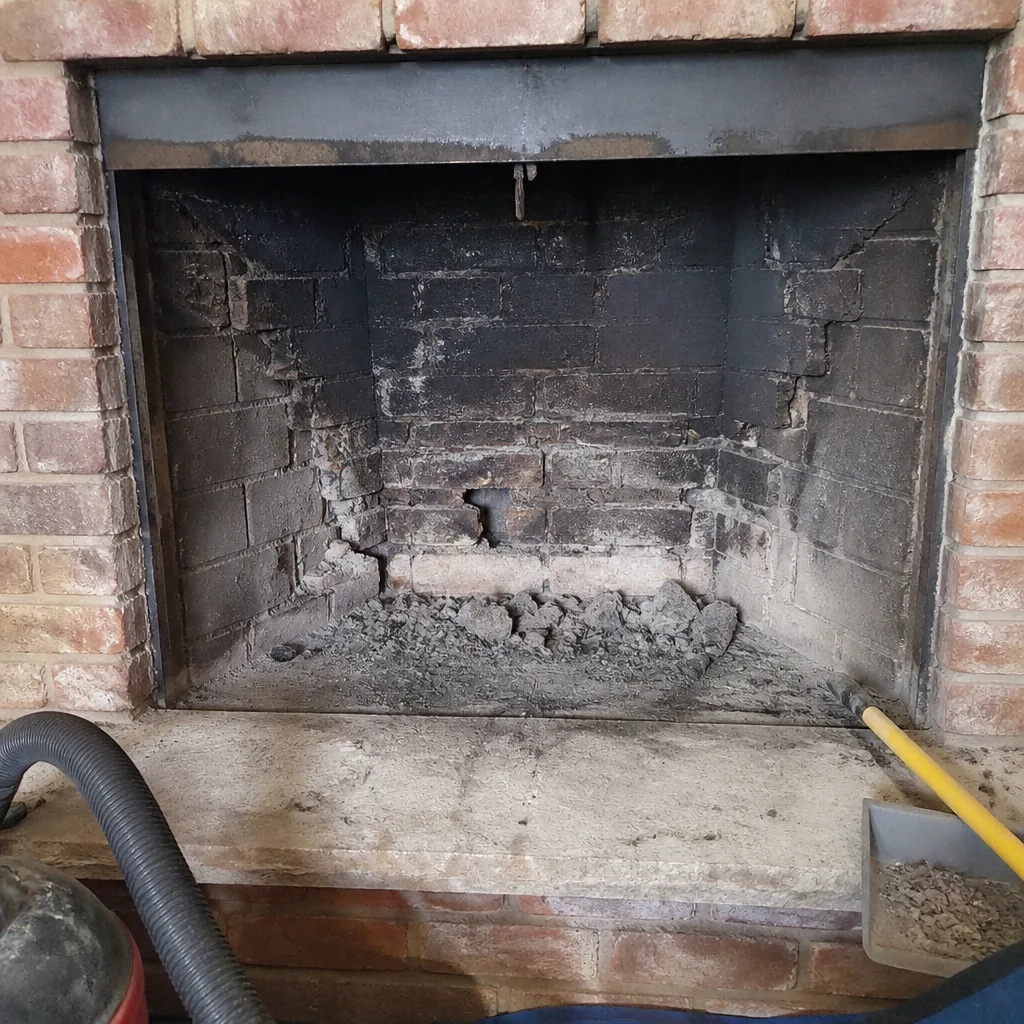 Before
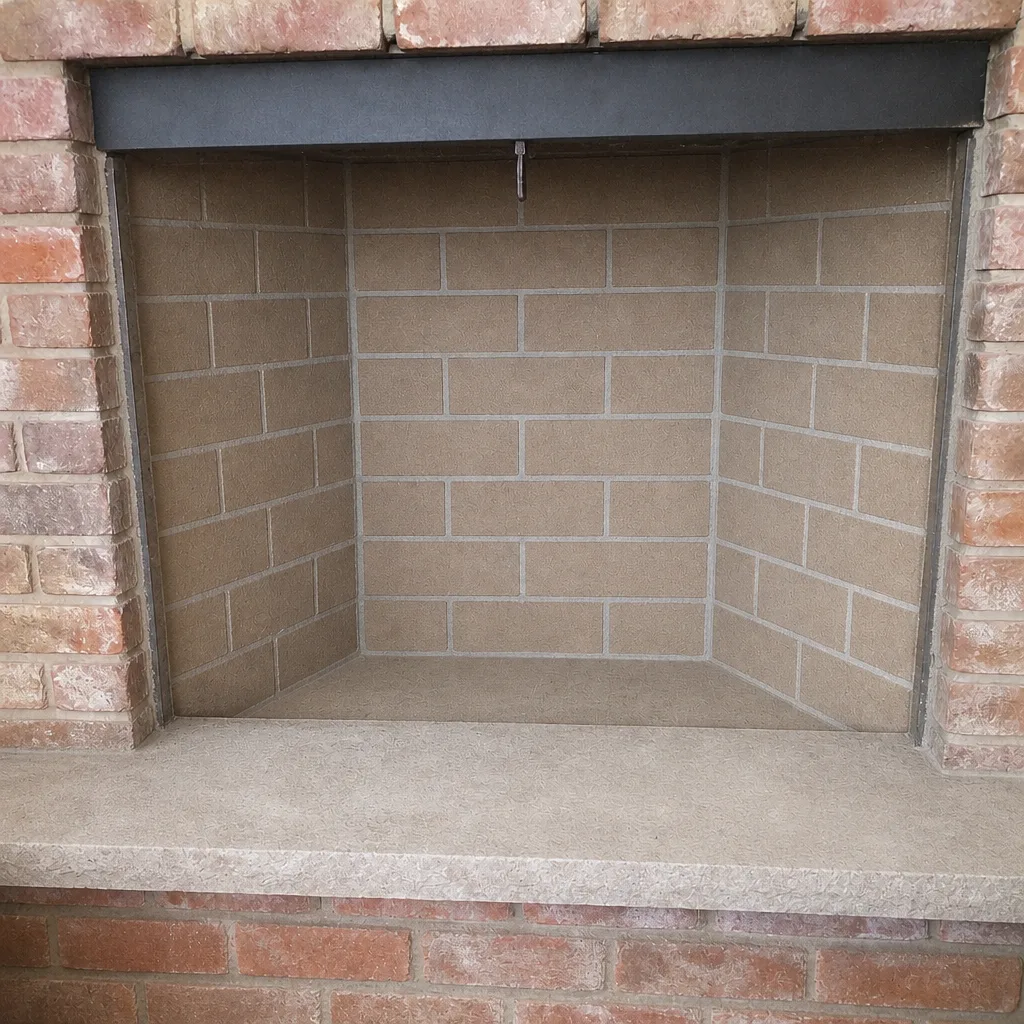 After
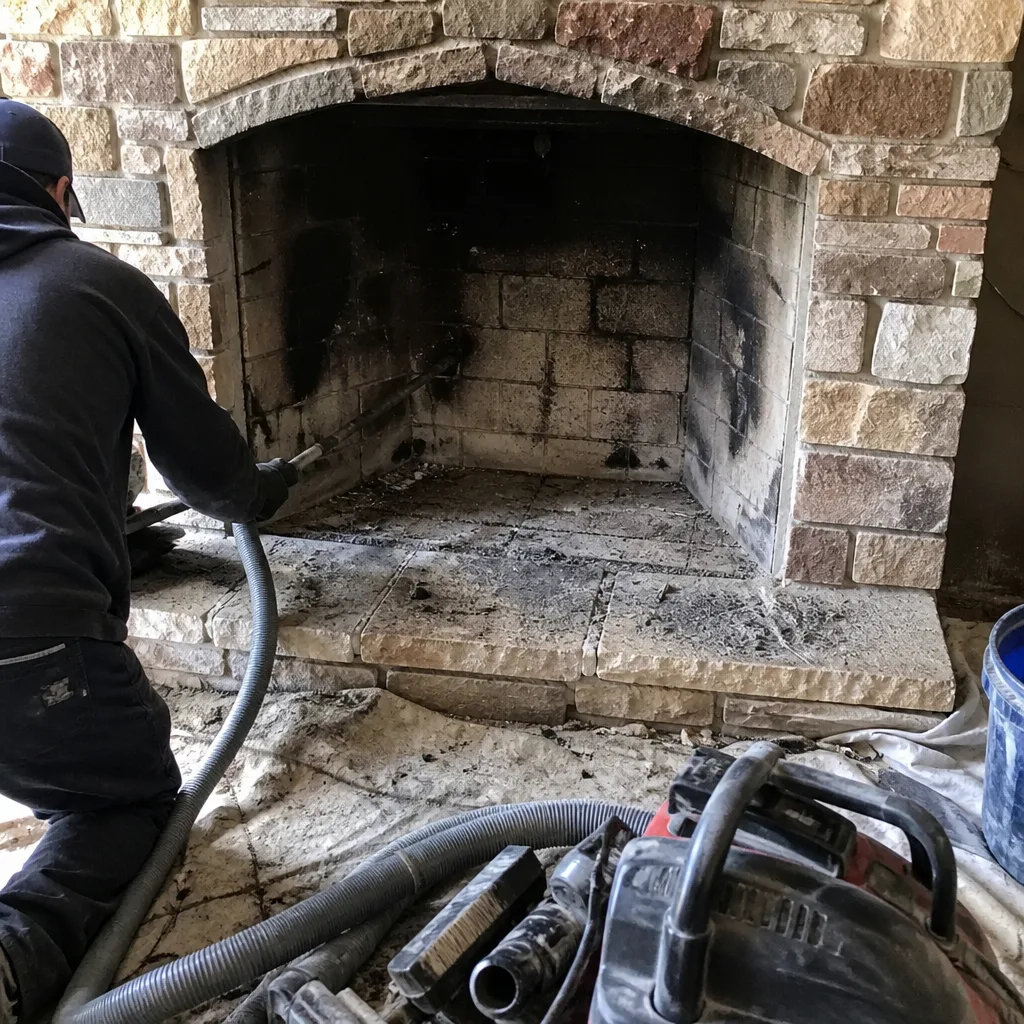 Before
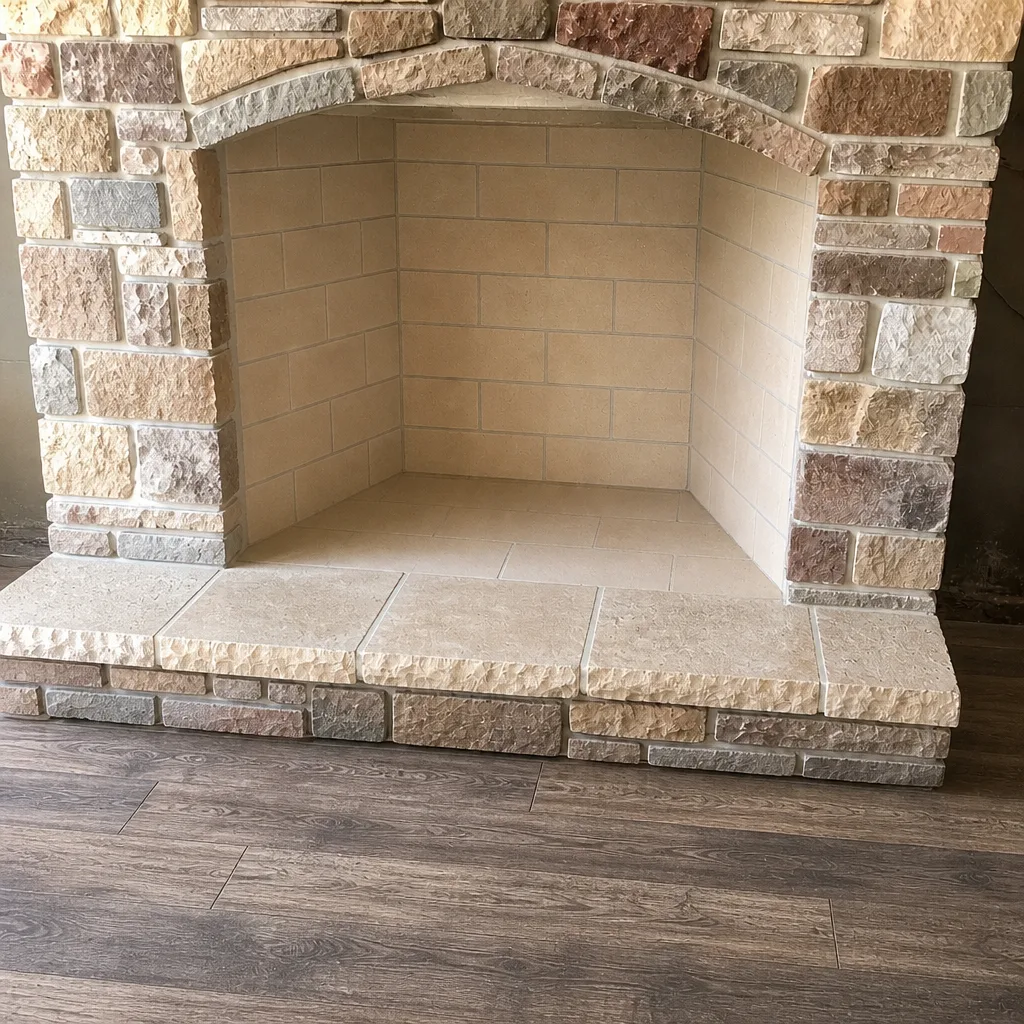 After
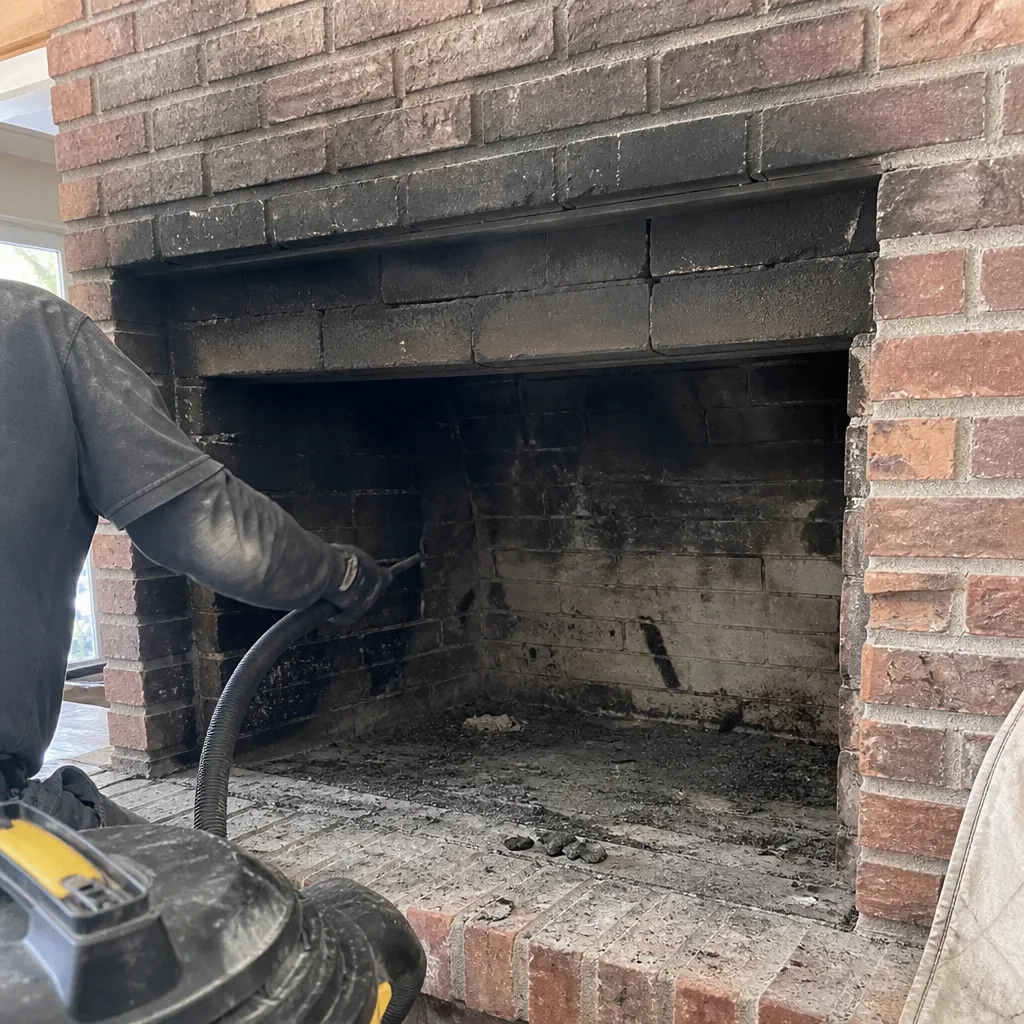 Before
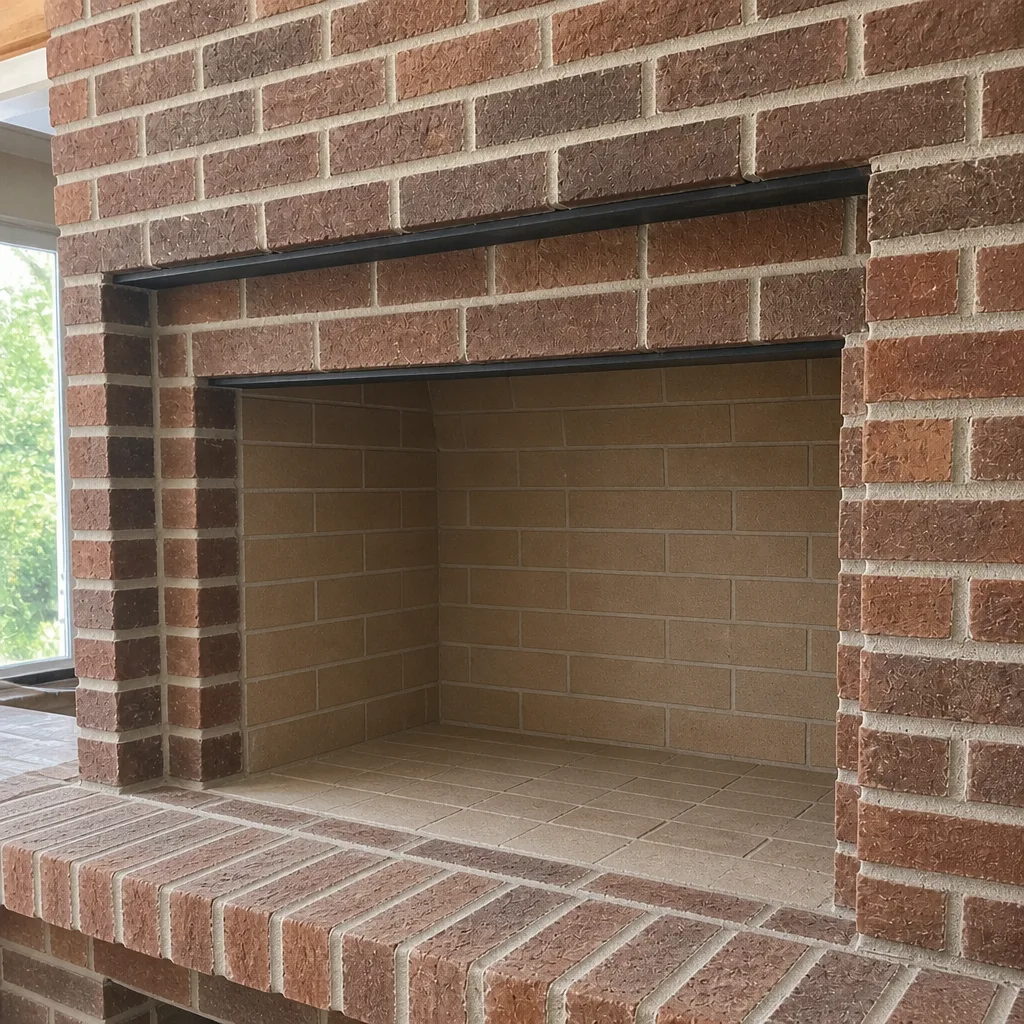 After
When to Call a Professional
Call a professional when you’re buying or selling a Highlands Ranch home and the chimney hasn’t had a Level 2 inspection, when you’re seeing water stains or rust inside the firebox, when the firebox refractory is cracked, or when you’re planning any kind of liner or firebox replacement that will need a permit. Call before you sign a repair estimate, so the scope and permit plan are clear. Call if a previous owner had work done and you don’t have documentation. Highlands Ranch Chimney Sweep offers free estimates in Highlands Ranch. Call (833) 482-6314. We answer 24/7. Fast dispatch from 7am to 7pm, Sunday through Friday. Our technicians have up to 8 years of experience, and we work with professional-grade materials across every job.
Frequently Asked Questions
No. Routine chimney cleaning does not require a permit in Highlands Ranch or Douglas County, because it’s maintenance rather than construction. The work that follows a cleaning, like liner replacement or firebox repair, often does require a permit. Call (833) 482-6314 for an exact quote on any repair work – estimates are free.
It’s expected practice, based on NFPA 211, which calls for a Level 2 inspection when a property changes hands. Many buyers and their inspectors ask for one in Highlands Ranch closings. A Level 2 includes video scanning of the flue and access to hidden areas, which a general home inspection doesn’t cover. Call (833) 482-6314 to schedule one – estimates are free.
Ask the contractor for the permit number in writing and for the final inspection sign-off, and check with Douglas County’s building department if the paperwork is missing. A diagnostic inspection can also reveal whether the work matches what a permit would have approved. Call (833) 482-6314 if you need a written record of what’s actually installed.
It becomes a disclosure item, and depending on scope, it can hold up closing or trigger a repair negotiation. The fix is a diagnostic inspection with photo and video documentation, then either a retroactive permit, corrective work with a permit, or a disclosure record if the work is safe as-is. Call (833) 482-6314 to get the inspection started – estimates are free.
Usually not. A cap or crown installation is an exterior addition that doesn’t change the flue or firebox, so it typically falls outside permit scope in Douglas County. It’s worth confirming with the county if the job involves structural changes to the stack. Call (833) 482-6314 for a free estimate on cap and crown work.
A municipal building inspection checks that permitted work meets code at the time it’s completed. A chimney inspection (CSIA Level 1, 2, or 3) evaluates the whole system’s current condition, independent of any permit. Both can apply to the same Highlands Ranch home, and a Level 2 is the one tied to a sale. Call (833) 482-6314 to schedule yours – estimates are free.
The Bottom Line
Chimney cleaning in Highlands Ranch doesn’t need a permit, but the repairs and modifications that follow an inspection often do, and Douglas County enforces that through the IRC and NFPA 211. A CSIA Level 2 inspection is the standard at a home sale, and it’s separate from a municipal building inspection. Keep permit documentation with your home records, ask for it before work starts, and resolve any unpermitted work with a documented inspection rather than guesswork. If you’re not sure what’s actually in your chimney, start with an inspection and a written record. Everything else follows from there.
For Highlands Ranch homeowners who want an inspection, a free estimate, or a straight answer about what a repair will require, Highlands Ranch Chimney Sweep is here to help. Call (833) 482-6314. We answer 24/7. Fast dispatch from 7am to 7pm, Sunday through Friday. We work with DuraFlex, HeatShield, Gelco, Olympia Chimney, Famco, and Copperfield on the repair side, and every job starts with an inspection so nothing gets recommended without evidence you can see.
Written by the team at Highlands Ranch Chimney Sweep.