
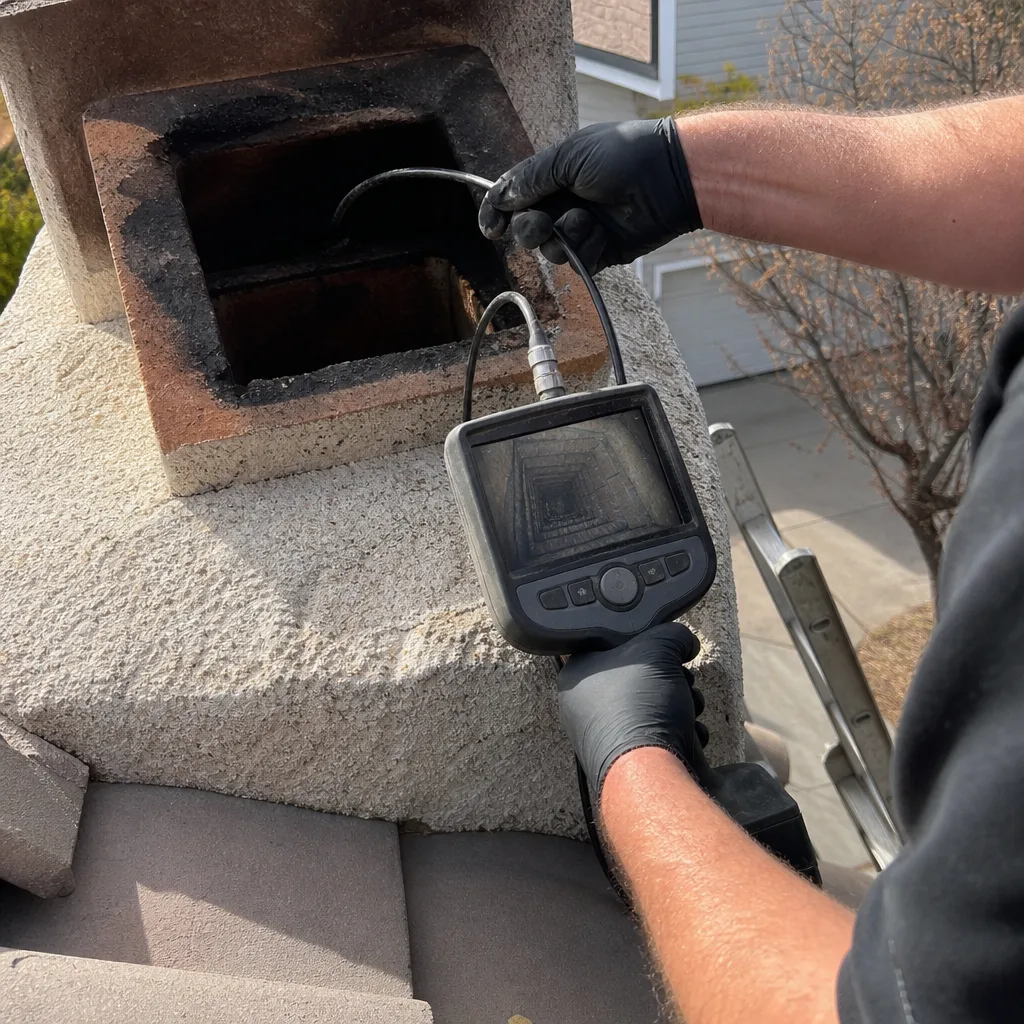
Last updated November 25, 2026
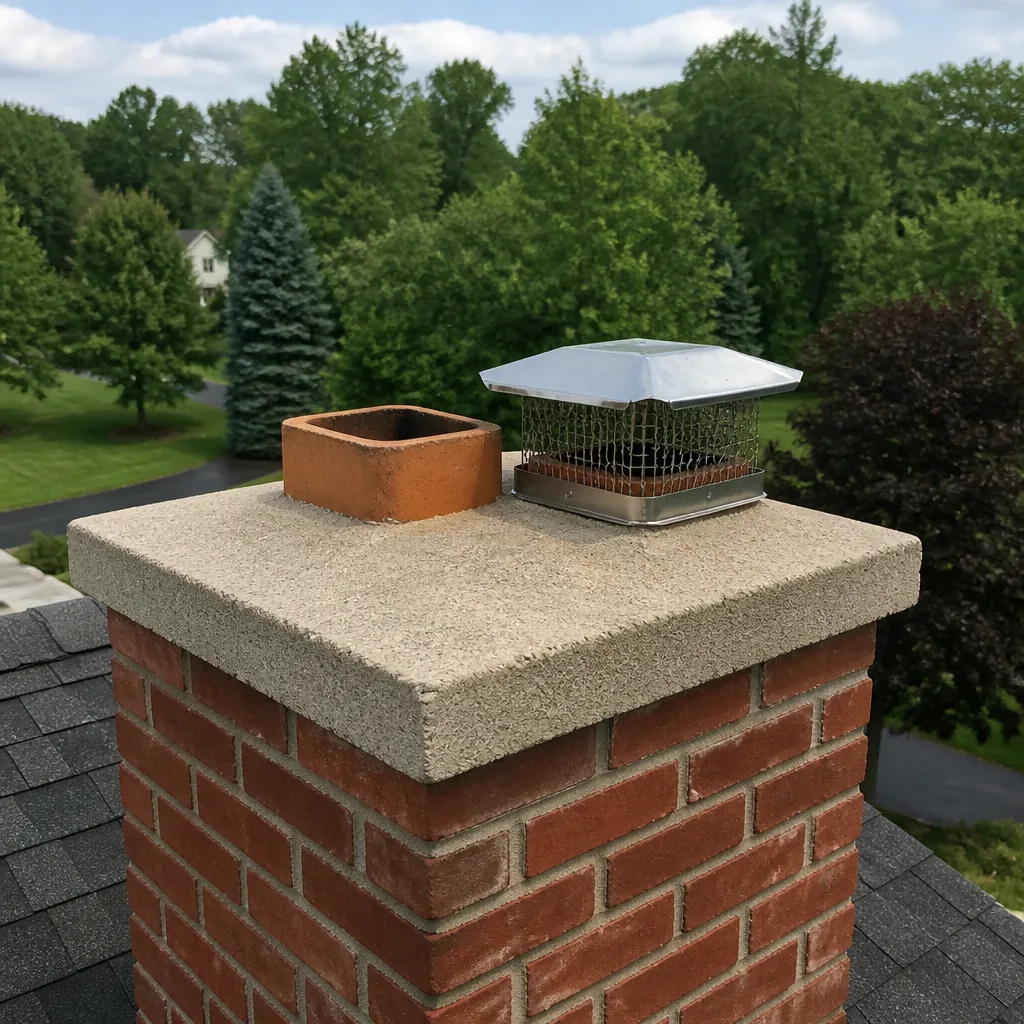 Sweep & inspection
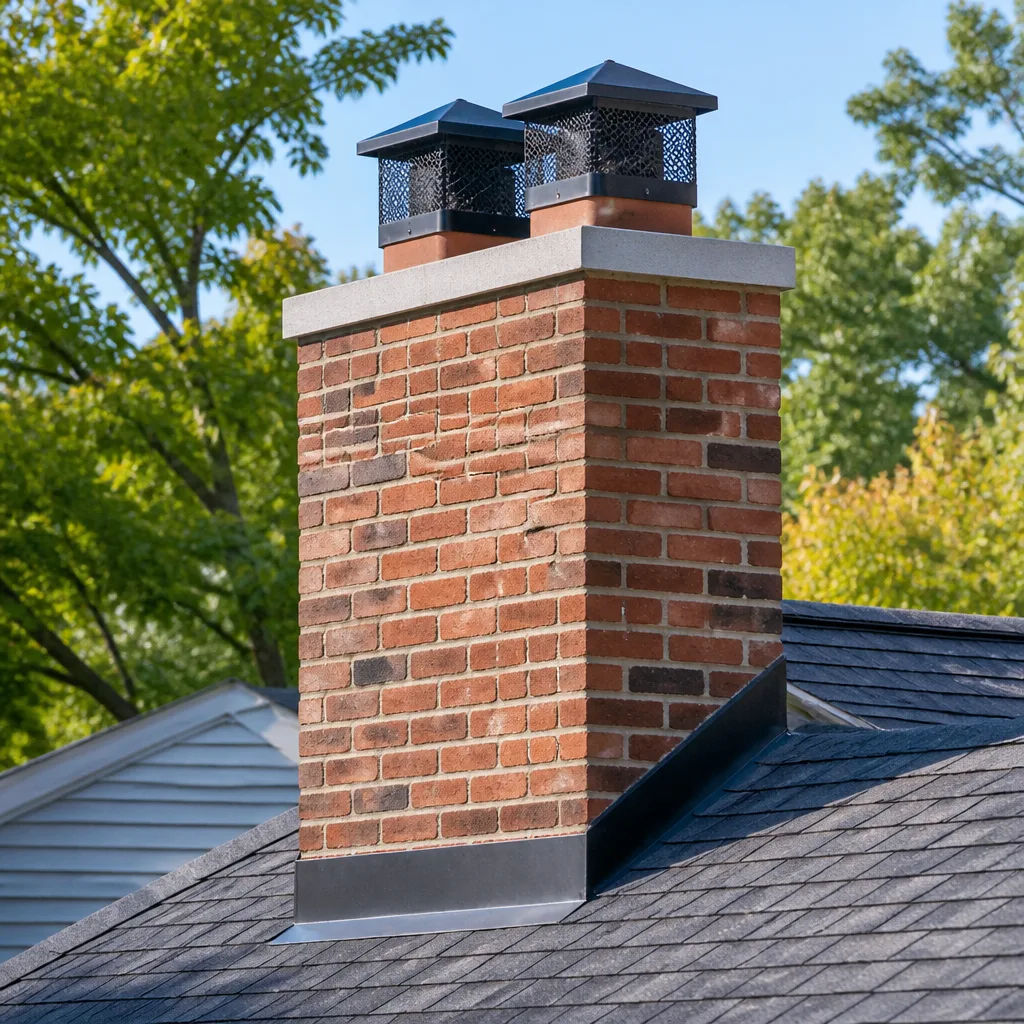 Caps & crowns
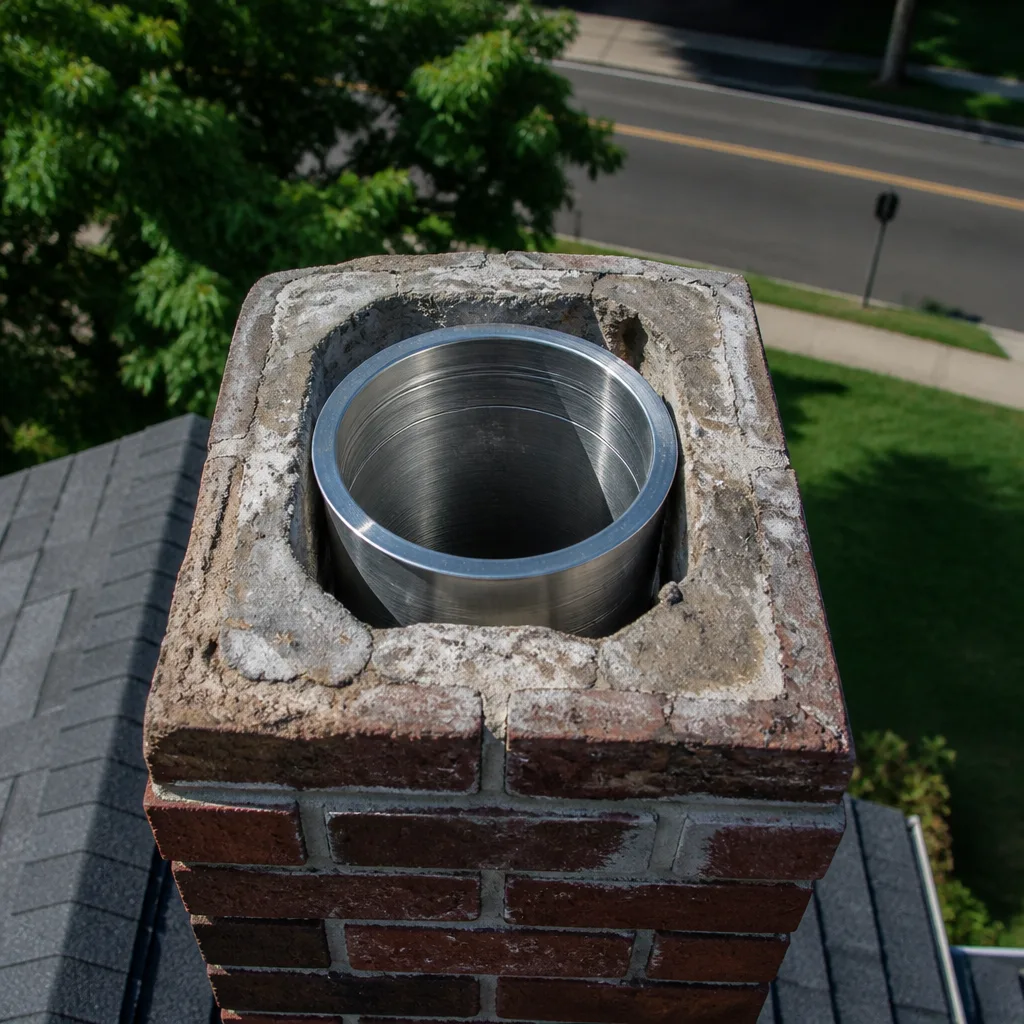 Flue relining
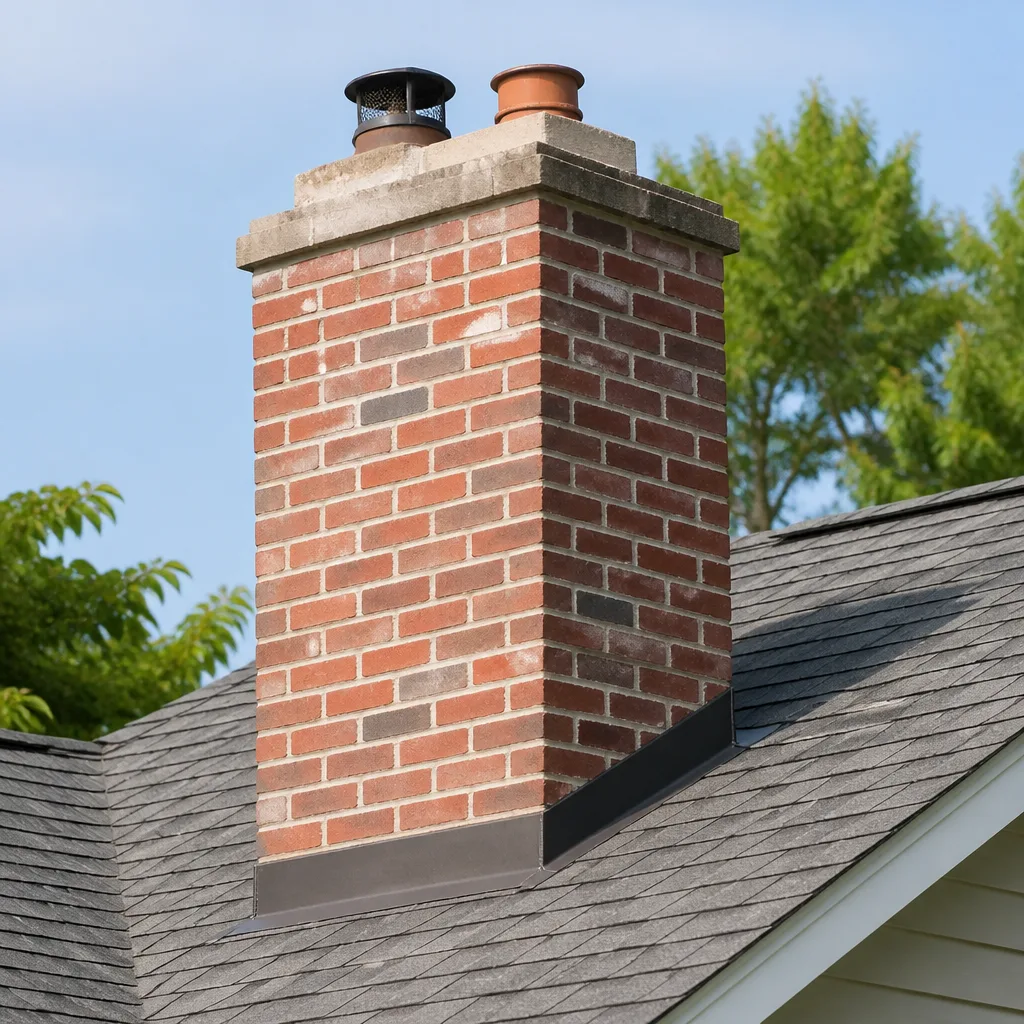 Masonry repair
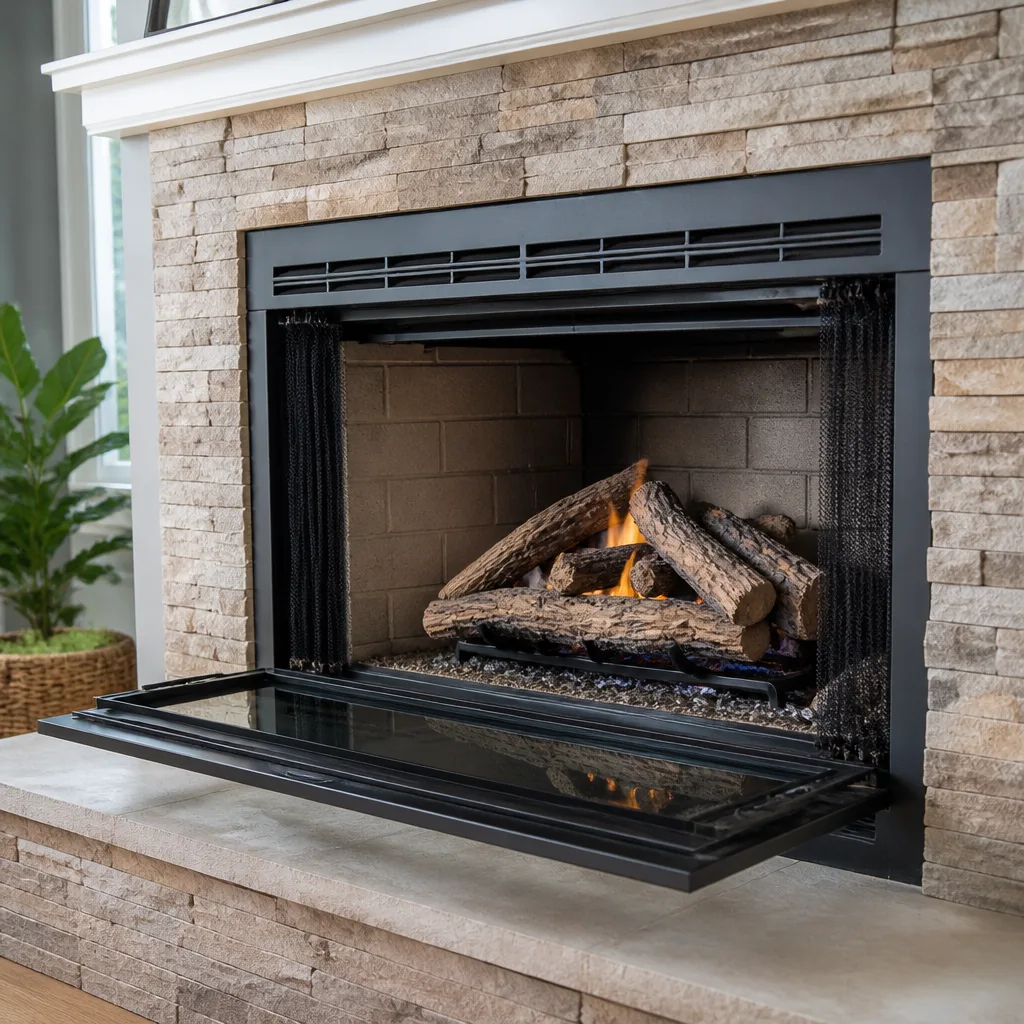 Gas fireplace service
Level 1 sweep and inspection to the NFPA 211 annual standard - flue, crown, cap, and flashing checked and photographed
Chimney sweep logs do not sweep chimneys. They loosen some creosote - which then falls where a brush and vacuum still have to collect it.
Chimney Cleaning Emergency Preparedness Guide for Highlands Ranch Homes
A chimney fire doesn’t always announce itself with a roar. Many homeowners describe a low rumble they first dismissed as wind, then a smell like burning tar, and only later notice flames or sparks at the cap. By then the liner has often already cracked. Highlands Ranch sits at elevation with long, cold winters and heavy spring snowmelt, a combination that puts real stress on chimney systems that go untouched for years. This guide walks you through the three emergencies that actually happen here – chimney fires, carbon monoxide events, and sudden draft failures – and the exact response sequence for each.
Quick Answer
If you suspect a chimney fire, get everyone out of the house, call 911, and don’t use the fireplace again until a Level 2 inspection clears the system. If your carbon monoxide detector alarms or you smell gas, leave immediately and call 911. For everything else – a blocked flue, poor draft, water intrusion after snowmelt – call a chimney specialist for a diagnostic inspection before you burn again. The time to prepare for a chimney emergency in Highlands Ranch is before the heating season starts, not after the first scare.
Styles & brands we work with
- Sweep & inspection
- Caps & crowns
- Flue relining
- Masonry repair
- Gas fireplace service
Table of Contents
- How Do You Know if You’re Having a Chimney Fire?
- The Exact Response Sequence for a Chimney Fire
- Carbon Monoxide Risk and Your Chimney System
- What to Do After a Chimney Fire
- Pre-Season Emergency Preparation Checklist
- What Your Homeowner’s Insurance Likely Needs
- The Most Common Highlands Ranch Chimney Emergencies
- Preventing Emergencies Before They Start
How Do You Know if You’re Having a Chimney Fire?
Inside the home, a chimney fire often shows up as a low, rumbling sound that doesn’t match the fire in the firebox, a sharp creosote smell, or smoke that suddenly backs into the room despite an open damper. Outside, the signs are more obvious: flames or glowing embers visible at the top of the chimney, thick smoke that keeps pouring out well after the fire has burned down, or a loud cracking or popping noise from the flue. Any one of these is reason enough to stop and treat it as an active chimney fire.
Here’s the pattern we see most often in Highlands Ranch homes. Homeowners hear a sound they don’t recognize and assume it’s wind across the roof or the furnace kicking on. They wait. The fire burns a few more minutes, the liner – already weakened by glazed creosote – cracks, and by the time someone looks at the cap the damage is done. We can’t stress this enough: if you’re unsure, treat it as a chimney fire. You lose nothing by calling 911 and stepping outside. You can lose a lot by waiting.
Interior warning signs
- A rumbling, roaring, or low-pitched humming sound from the flue
- A strong smell of hot creosote, often described as tar or burning rubber
- Smoke backing into the room with the damper open
- Popping or cracking noises coming from inside the chimney
- Sparks shooting back into the firebox
- A sudden, intense heat from the chimney pipe
Exterior warning signs
- Flames or glowing embers visible at the chimney cap
- Dense, dark smoke that continues long after the fire has died down
- Sparks flying from the top of the chimney
- A rush of air or roaring sound audible outside near the chimney
- Visible damage to the cap, crown, or flashing after the event
The key distinction is between a fire that’s burning as intended and one that’s moved into the flue. A fire that roars up the chimney isn’t a normal fire. It’s a chimney fire, and it needs to be treated as one.
The Exact Response Sequence for a Chimney Fire
When you suspect a chimney fire, there’s a specific order of actions that keeps people safe and limits damage. Memorize it now so you don’t have to think it through in the moment.
- Get everyone out of the house. Adults, children, pets. Leave the door open behind you so nothing delays the exit.
- Call 911. Say “chimney fire” and give your address. Fire crews can confirm the fire is out and keep it from spreading into the attic or roof structure.
- Don’t close the damper. This is a common instinct, and it’s the wrong one. Closing the damper traps heat and combustible gases inside the chimney and can worsen damage. Leave it open;
- Don’t pour water on the fire. A sudden thermal shock can crack the liner or damage the firebox. Let it burn out unless fire crews direct you otherwise.
- Once the fire is out, don’t use the fireplace again until a Level 2 inspection confirms the flue is intact.
- Document everything before you clean up – photographs of the firebox, the cap, the roof, and any interior smoke stains will matter for insurance.
From start to finish, a chimney fire response is about people first, structure second, and documentation third. Everything else can wait.
If you’re reading this guide before you’ve had a chimney fire, the single most useful thing you can do is book a chimney sweep before the heating season starts. A clean flue removes the creosote that fuels chimney fires. It’s that direct.
Carbon Monoxide Risk and Your Chimney System
Carbon monoxide is a byproduct of any fuel-burning appliance, including a wood-burning fireplace or wood stove, and your chimney’s job is to carry it up and out of the house. When a flue is blocked, damaged, or suffering from poor draft, that gas has nowhere to go except back into the room. It’s colorless, odorless, and it can build to dangerous levels before anyone notices a thing.
The risk profile in Highlands Ranch is real because the same conditions that make chimneys work well in fall also make them fail in winter. A blocked flue from an animal nest, a damaged liner from a prior chimney fire, or a barometric pressure swing during a cold snap can each redirect CO into living space. A CO detector doesn’t help if it’s in a hall closet away from the source. That’s why we recommend placing at least one carbon monoxide detector in the same room as the fireplace or wood stove, in addition to any you have near bedrooms.
How a blocked flue creates CO conditions
- Animal nests, leaf debris, or a collapsed flue tile restrict airflow
- A cracked or separated liner lets exhaust leak into the chimney chase or house framing
- A negative pressure situation in a tightly sealed home pulls flue gases backward into the room
- A chimney cap that’s clogged with snow or ice blocks the exhaust at the top
- Glazed creosote narrows the flue and reduces draft efficiency
If your CO detector goes off, leave the house immediately and call 911. Don’t open windows to air it out first – CO dissipates but the source is still there. If you smell gas near a gas fireplace, treat that the same way. Once you’re safe, schedule a chimney inspection before using the fireplace again. The inspection finds the source; guessing doesn’t.
In our experience, the homes most at risk for CO backup are the ones where a fireplace hasn’t been serviced in more than a season. Gas fireplaces carry their own CO risk too – a blocked vent on a direct-vent unit behaves just like a blocked wood-burning flue. The fix is the same: inspect the full system before you burn.
What to Do After a Chimney Fire
After a chimney fire, the fireplace must be treated as unusable until a Level 2 inspection clears it. A Level 2 inspection is the industry step up from a basic check: it includes a camera inspection of the flue to look for cracks, gaps, and separated sections that a visual-only look would miss. We don’t clear a chimney after a fire without it, and we wouldn’t trust a sweep that did.
Here’s the sequence we walk homeowners through after a chimney fire:
- Wait for fire crews to confirm the fire is out. Don’t reopen the firebox before that.
- Schedule a Level 2 inspection. This uses a camera to examine the full length of the flue.
- Document everything before repair work begins. Photos of the firebox, flue, cap, crown, and any smoke staining.
- Contact your insurance company before repairs start, and get a written estimate for the inspection findings.
- Have the chimney repaired before you use it again. A cracked liner is a carbon monoxide pathway, not a cosmetic issue.
- Book a follow-up sweep after any repair to confirm the system is clean before the next fire.
The repair side of this is where full-system thinking matters. A fire can damage the liner, the firebox, the damper, and the cap in a single event. Getting the flue relined, the firebox restored, and the cap replaced by one company (rather than a sweep, a mason, and a roofer who each see only their part) is how damage gets fixed all the way through. We handle that as a chimney repair job using HeatShield for flue resurfacing and DuraFlex for liner replacement, both of which are the trade-standard materials for the work.
Pre-Season Emergency Preparation Checklist
The time to prepare for a chimney emergency is before one happens. Once you smell smoke where it doesn’t belong, you’re reacting, not preparing. Run through the following in the fall before you light the first fire of the season.
- Book an annual inspection. A diagnostic inspection catches damage before it turns into an emergency. Ask for a camera inspection of the flue.
- Book a sweep if it’s been more than a year since your last one. Creosote buildup drives most chimney fires.
- Test your CO detectors. Press the test button. Replace the battery. Most should be replaced every five to seven years.
- Place a CO detector in the fireplace room. Near the fireplace, not down the hall.
- Know your chimney’s exterior. From the ground, check the cap, crown, and flashing for visible cracks or gaps.
- Photograph your chimney system from inside and out. This is your pre-loss baseline for insurance.
- Keep a working fire extinguisher near the fireplace.
- Have your insurance policy number and a phone number for your carrier stored in your phone.
- Have our number saved. Call (833) 482-6314. We answer 24/7, with fast dispatch from 7am to 7pm, Sunday through Friday.
That list takes about an hour to complete, and it changes the whole experience of a chimney emergency if one happens. You’re not scrambling for a phone number or trying to remember which detector is which. You’re executing a plan.
What to have ready before you call
- Your address and how fire crews can access the roof if needed
- The type of fireplace – wood-burning, gas, pellet, or wood stove
- When the chimney was last swept and inspected
- Whether the fire was burning at the time of the event
- Any CO detector readings or alarms
- Your insurance carrier and policy number
What Your Homeowner’s Insurance Likely Needs
Most homeowner’s insurance carriers want the same basic set of documents after a chimney event: a written inspection report from a qualified chimney specialist, photographs of the damage before any repair work, and a written estimate before work starts. The exact requirements vary by carrier and by policy, so read your policy and call your agent. But nearly every carrier expects documentation of cause and scope before they’ll approve a claim.
The most common mistake we see isn’t documentation – it’s timing. Homeowners call their carrier after the repair is already done, or they pay for the repair before filing the claim. Both make a claim much harder. File first, document second, repair third. If you’re not sure whether your policy covers a particular chimney event, ask before you assume.
What “documentation” actually means
- A written inspection report that describes the condition found, not just “fire damage”
- Photographs of the firebox, flue, cap, crown, flashing, and any smoke damage inside the home
- A written repair estimate broken down by line item
- Any invoice or report from the fire department that responded
- Receipts for any emergency work, such as boarding a cap or tarping a damaged roof section
- The date of your last sweep or inspection, if you have it
One diagnostic inspection report does most of the work here. Our inspection is not a checkbox – it includes a camera view of the flue and a written summary you can hand directly to your carrier.
The Most Common Highlands Ranch Chimney Emergencies
Highlands Ranch chimney emergencies don’t come from nowhere. They cluster around three causes: animal blockages, glazed creosote buildup, and flashing failure leading to water intrusion. Each is preventable, and each has a distinct warning pattern.
Animal blockages
Squirrels, birds, and raccoons find uncapped chimneys in Highlands Ranch an easy target, especially in the fall when they look for warm places to nest. A nest can block the flue entirely, and burning a fire against a blockage pushes CO straight back into the house. The first sign is often smoky start-up, or smoke backing into the room even with the damper open. A properly fitted cap is the fix, and we install those as part of every full-system check.
Glazed creosote buildup
Creosote forms in three stages: a light, dusty layer that’s easy to sweep; a crusty layer that needs more work; and a glazed, tar-like layer that’s the most flammable. Glazed creosote is the stuff that fuels chimney fires. It builds fastest in a fireplace that’s burned low and slow with unseasoned wood, or in a flue that runs cool because it’s on an exterior wall. Highlands Ranch’s cold winters make long, slow burns common, and that’s exactly the burn pattern that builds glazed creosote. A camera inspection shows how much is there before it becomes a problem.
Flashing failure and water intrusion
Snowmelt is the quiet emergency in Highlands Ranch. Most chimney water damage doesn’t come from the flue – it comes from a failed cap, a cracked crown, or a flashing seal that’s separated from the roof. Water gets into the chimney chase, rusts the damper, cracks the firebox, and erodes the mortar joints. By the time a homeowner notices a leak, the damage is often structural. Cap and crown repair prevents the majority of it. That’s why we treat caps and crowns as a first-line fix, not a cosmetic add-on.
Preventing Emergencies Before They Start
Prevention comes down to the annual cycle. A chimney that’s swept, inspected, and capped every year almost never has an emergency. A chimney that’s ignored for three years almost always has something to fix. We work on the full system – sweeping, inspection, fireplace repair, chimney repair, and cap and crown installation – because a chimney that’s failing in one place is usually starting to fail in another.
Our technicians have up to 8 years of experience, and we use professional-grade materials across the full trade-standard lineup: DuraFlex for liner systems, HeatShield for flue resurfacing, Gelco, Olympia Chimney, Famco, and Copperfield for caps, crowns, and related parts. These are the same materials specified by certified chimney professionals, not generic hardware-store alternatives. When we reline a flue, the material matters. When we cap a chimney, the cap matters. This is one place where saving a few dollars on a cheaper part costs more later.
If you’re wondering whether your chimney is due for a sweep, the answer is almost always “yes” if it’s been more than a year since the last one. Visit Highlands Ranch Chimney Sweep for our full service scope and a scheduling conversation. The best time to prevent a chimney emergency is before the weather turns, and Highlands Ranch winters are long enough that the work is worth front-loading.
Common Mistakes to Avoid
- Closing the damper during a chimney fire. Your instinct is to starve the fire of oxygen, but closing the damper traps heat and combustible gases inside the flue and can worsen damage. Leave it open and get out.
- Assuming a “clean burning” fire means no creosote. Even a well-managed fire deposits creosote, and glazed creosote can build quietly for years. Annual inspection is the only way to know what’s in your flue.
- Putting the CO detector in a hall closet. It won’t help you if it’s not in the room with the fireplace. Move it, and test it every season.
- Using the fireplace after a chimney fire “because it looks fine.” The damage is usually inside the flue, not in the firebox. A Level 2 inspection is the only way to clear a chimney for use again.
- Waiting until spring to fix a cap or flashing leak. Highlands Ranch snowmelt finds every gap, and a small leak becomes structural damage faster than you’d think. Fix the cap and crown before winter.
- Hiring a sweep-only company for a chimney repair. When a sweep finds liner damage and hands you off to a separate repair contractor, details get lost in the transition. A full-system specialist handles both.
- Not documenting your chimney before an event. Photographs and a written inspection report make the insurance claim straightforward. Without them, it’s a harder conversation.
See the difference
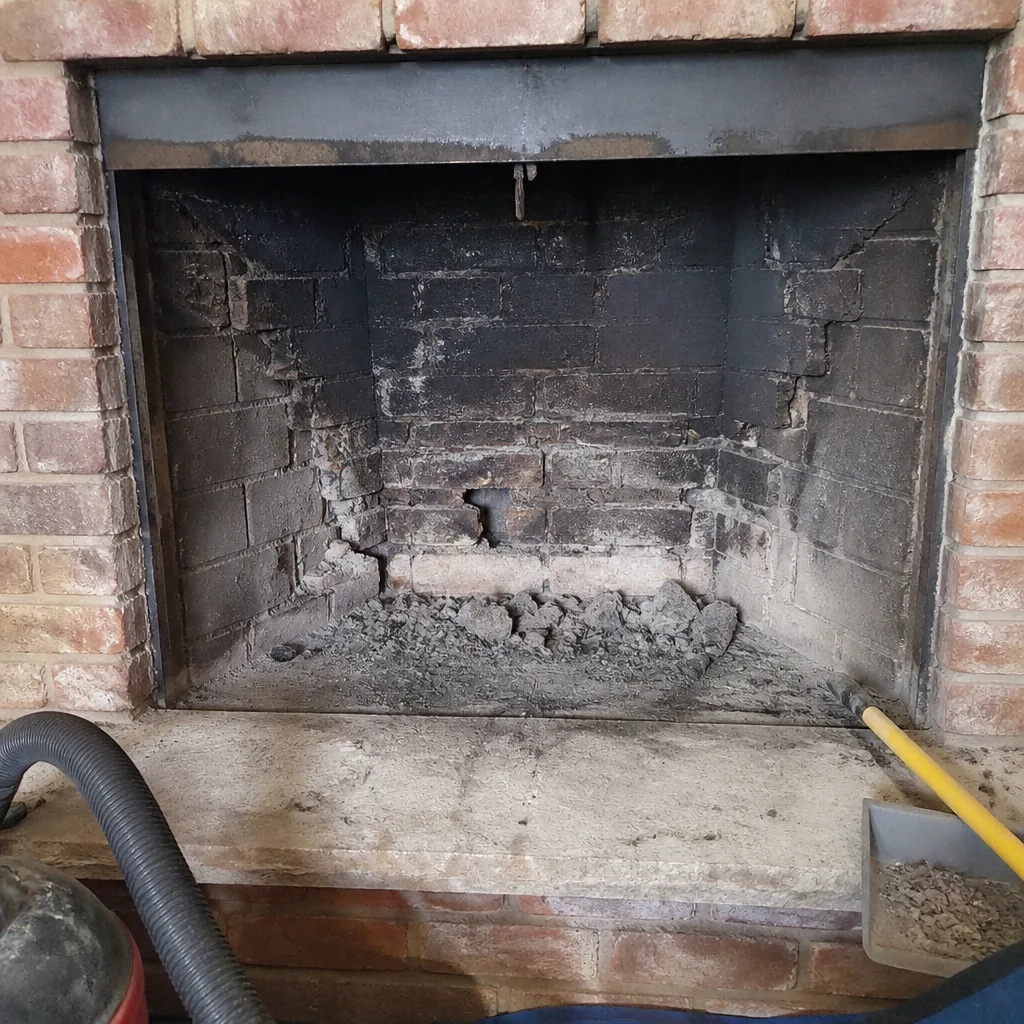 Before
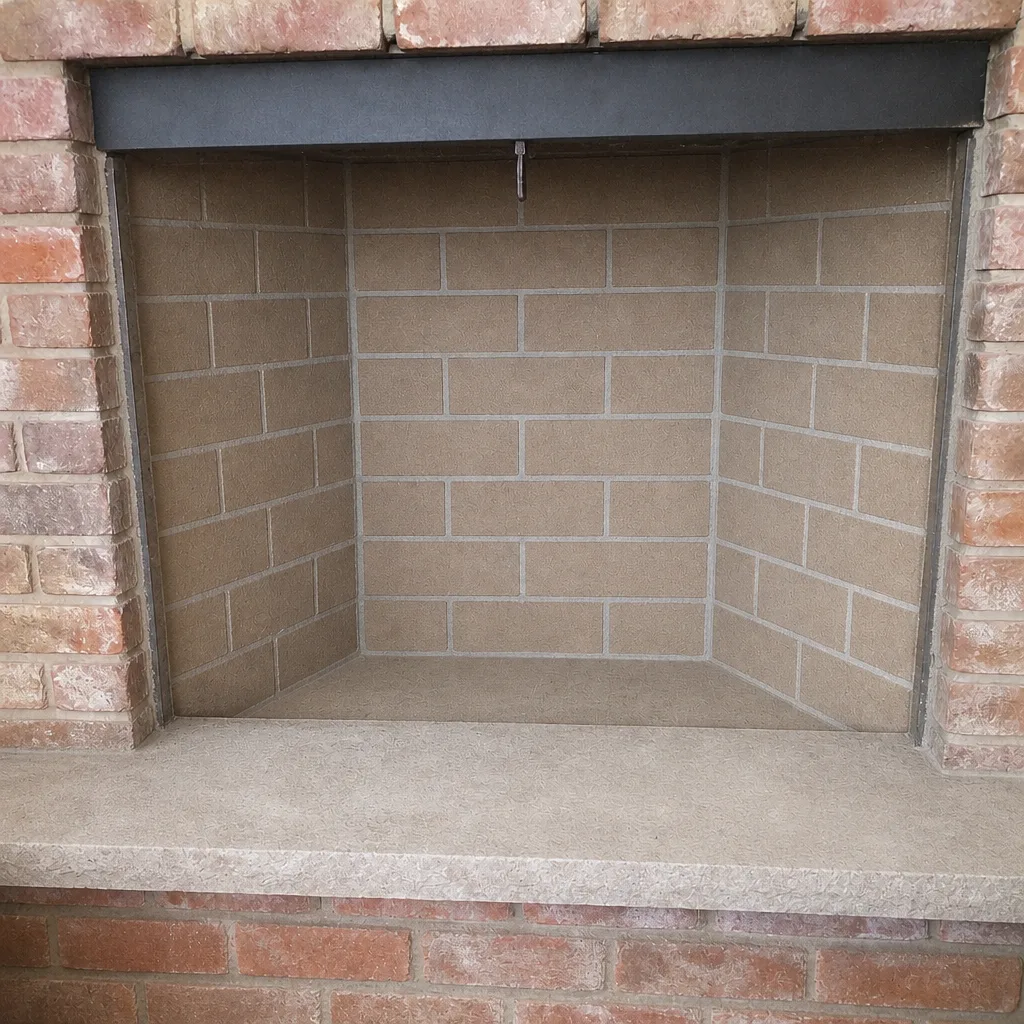 After
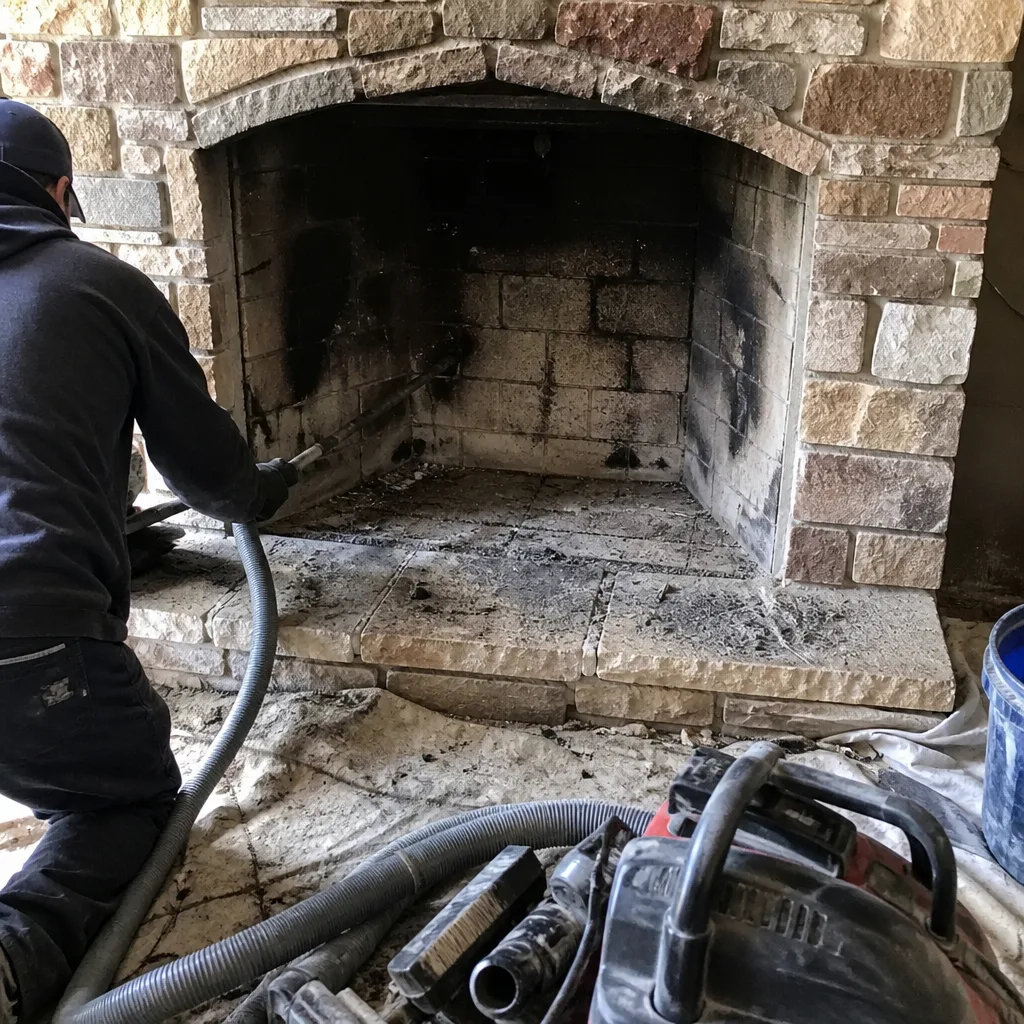 Before
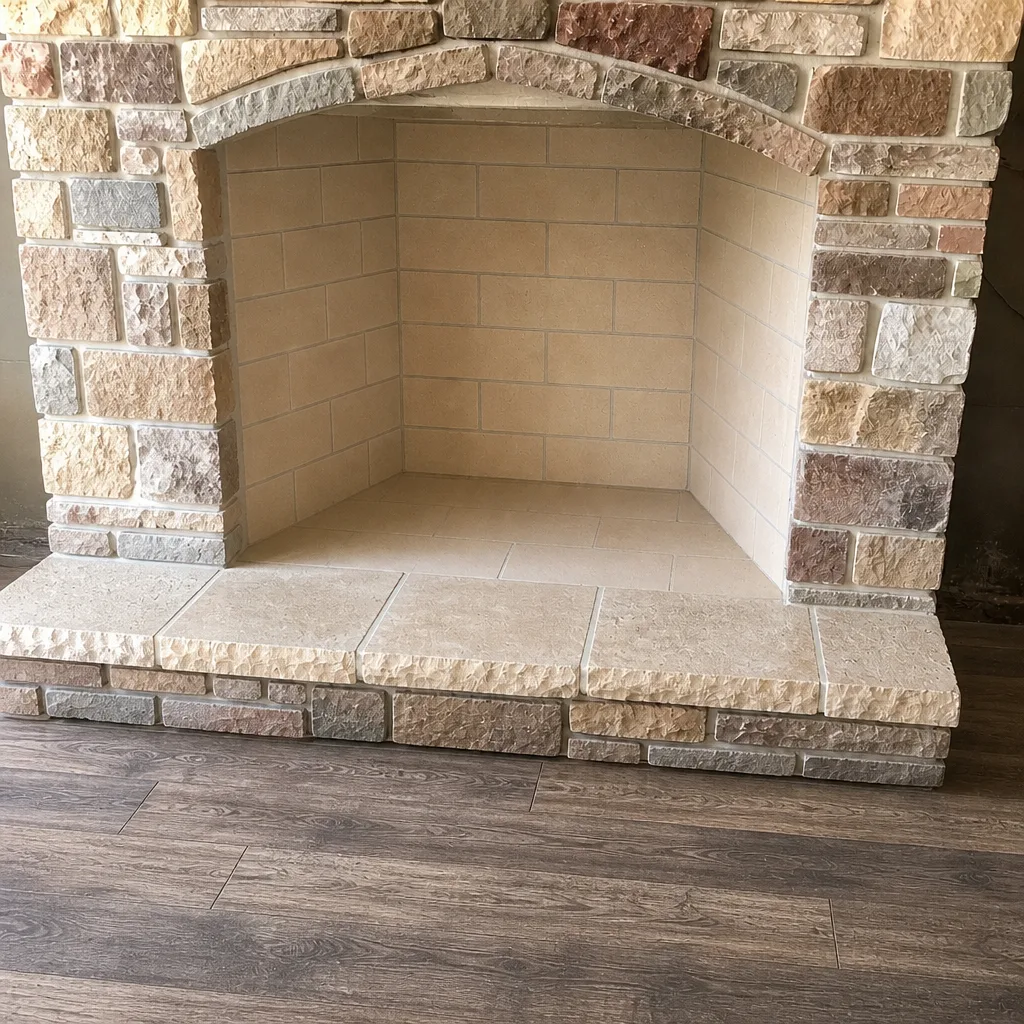 After
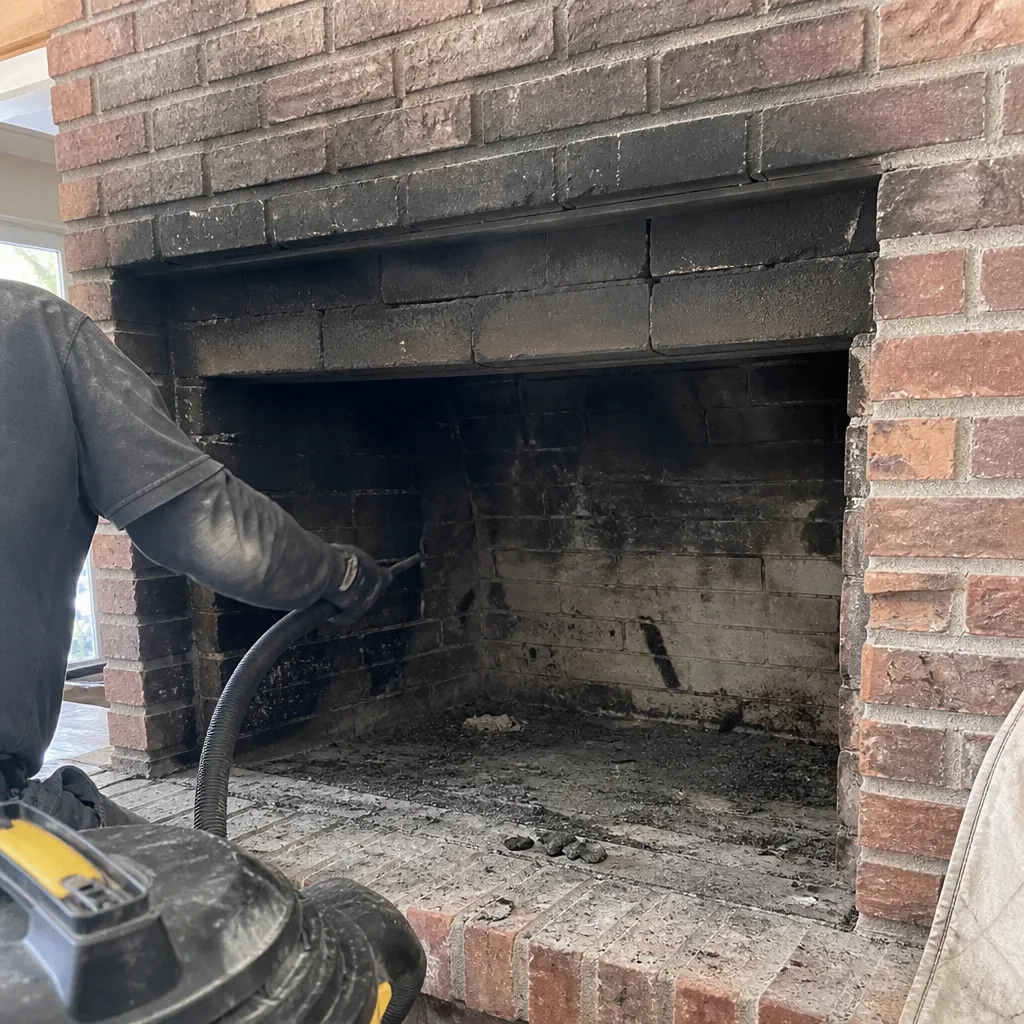 Before
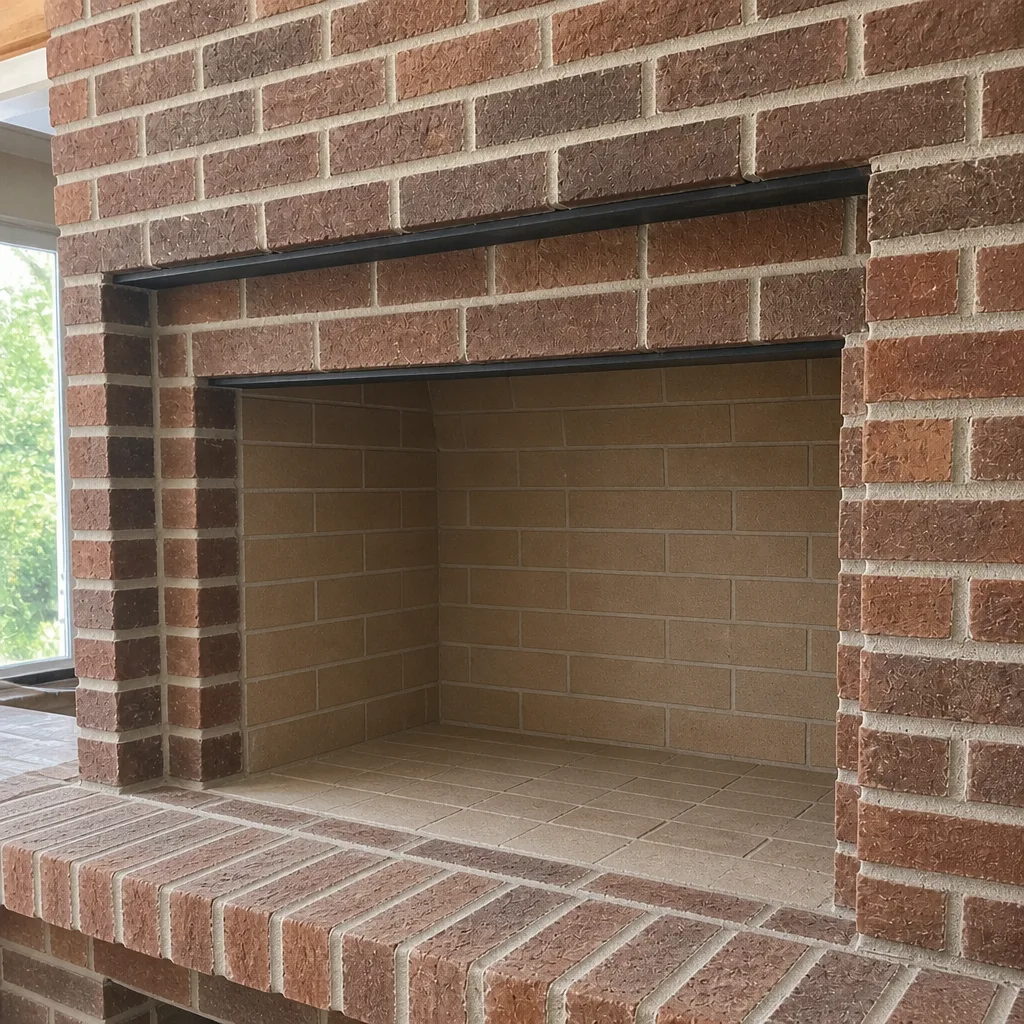 After
When to Call a Professional
Call us for any of these: a suspected chimney fire, a CO detector that’s gone off, smoke backing into the room when you burn, a chimney that’s visibly cracked or missing a cap, water staining on the ceiling or walls near the fireplace, or more than a year since your last sweep. Call us for a diagnostic inspection if you’ve just moved into a Highlands Ranch home and don’t know the chimney’s history. Call us if you’ve seen animal activity around the flue. And call us if you’re not sure – the inspection is free and it’s the fastest way to know.
Highlands Ranch Chimney Sweep offers free estimates in Highlands Ranch. Call (833) 482-6314. We answer 24/7. Fast dispatch from 7am to 7pm, Sunday through Friday.
Frequently Asked Questions
Most standard chimney sweeps in Highlands Ranch run in the $180 to $340 range, and inspections are typically a separate line item when they include a camera view of the flue. The written estimate sets the final price, and estimates are free. Call (833) 482-6314 for an exact quote based on your chimney.
Once a year for a fireplace that’s used regularly, and more often if you burn heavily or notice poor draft. If it’s been more than a year since your last sweep, book one before you burn again. The cost of a sweep is far less than the cost of a chimney fire repair.
Creosote builds in layers, and the glazed layer that forms after a few skipped seasons is the fuel that drives chimney fires. A skipped season doesn’t guarantee a fire, but it does remove the margin of safety. It also means small liner or cap problems go undetected for a year, which is how a $200 fix becomes a $2,000 repair.
Not always. A camera inspection shows whether the liner is cracked, separated, or merely dirty, and the findings should arrive with photos before any recommendation is made. If the liner is intact, we don’t recommend relining. If it’s compromised, a HeatShield resurfacing or DuraFlex reline is usually the right fix, and we’ll show you why before we quote it. Call (833) 482-6314 to book the inspection.
No. Not until a Level 2 inspection clears the system. A fire that burns in the flue can crack the liner in a way that’s invisible from the firebox, and using the fireplace again before that’s confirmed creates a CO pathway into the house.
Leave the house immediately and call 911 from outside. Don’t open windows or try to find the source first. Once the fire department clears the home, book a chimney inspection before using the fireplace again – CO detectors don’t reset the risk.
The Bottom Line
Chimney emergencies in Highlands Ranch follow patterns, and the patterns are learnable. A chimney fire usually announces itself with sound and smell before it announces itself with visible damage. A CO event is born from a blocked or compromised flue that an inspection would have caught. Water intrusion starts at the cap and the crown, not the flue. The homeowners who come through these events with the least damage are the ones who knew what to listen for and had a plan before they needed one. Book the sweep, get the inspection, cap the chimney, test the detector. That’s the whole plan, and it works.
If you’re ready to schedule, or if you just want an honest read on your chimney’s condition, call (833) 482-6314. We answer 24/7. Fast dispatch from 7am to 7pm, Sunday through Friday. Estimates are free, and we inspect before we recommend – every time.
Written by the team at Highlands Ranch Chimney Sweep.