
Last updated November 25, 2026
 Sweep & inspection
 Caps & crowns
 Flue relining
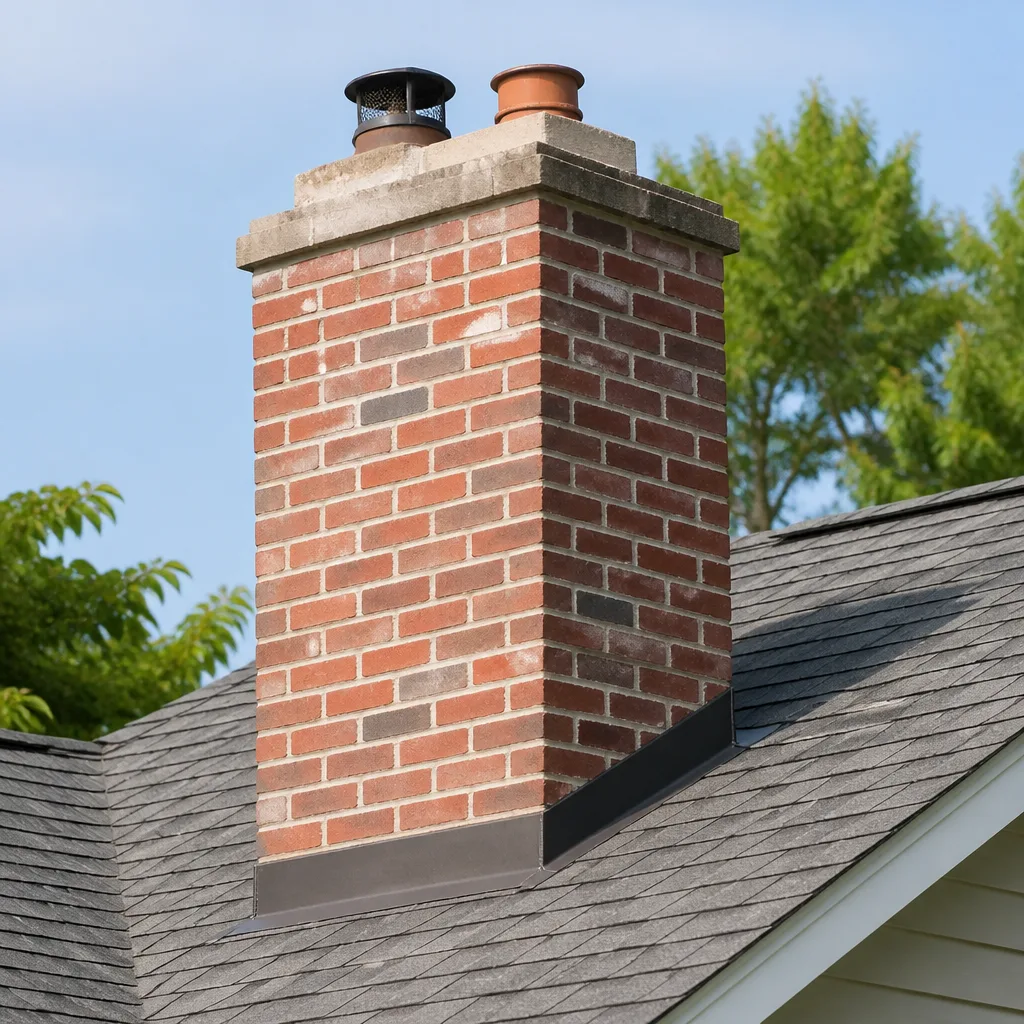 Masonry repair
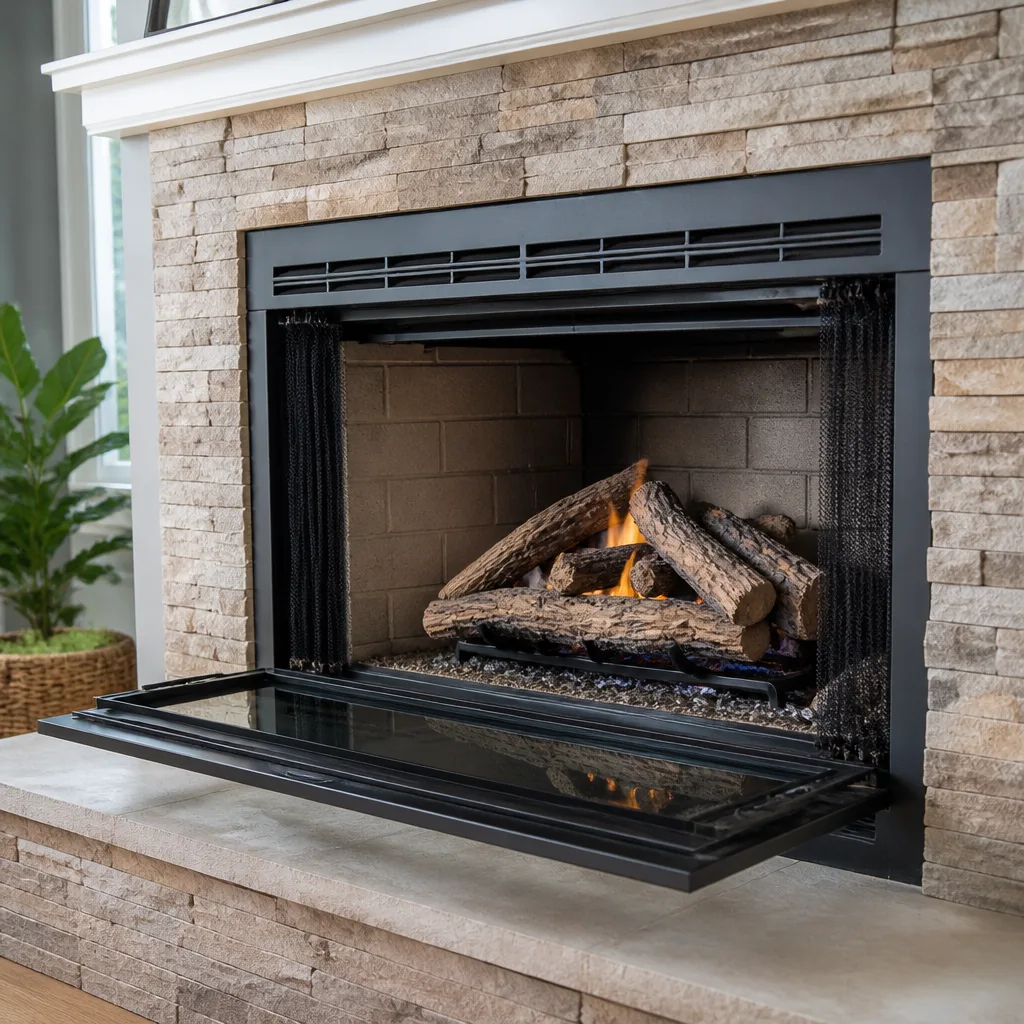 Gas fireplace service
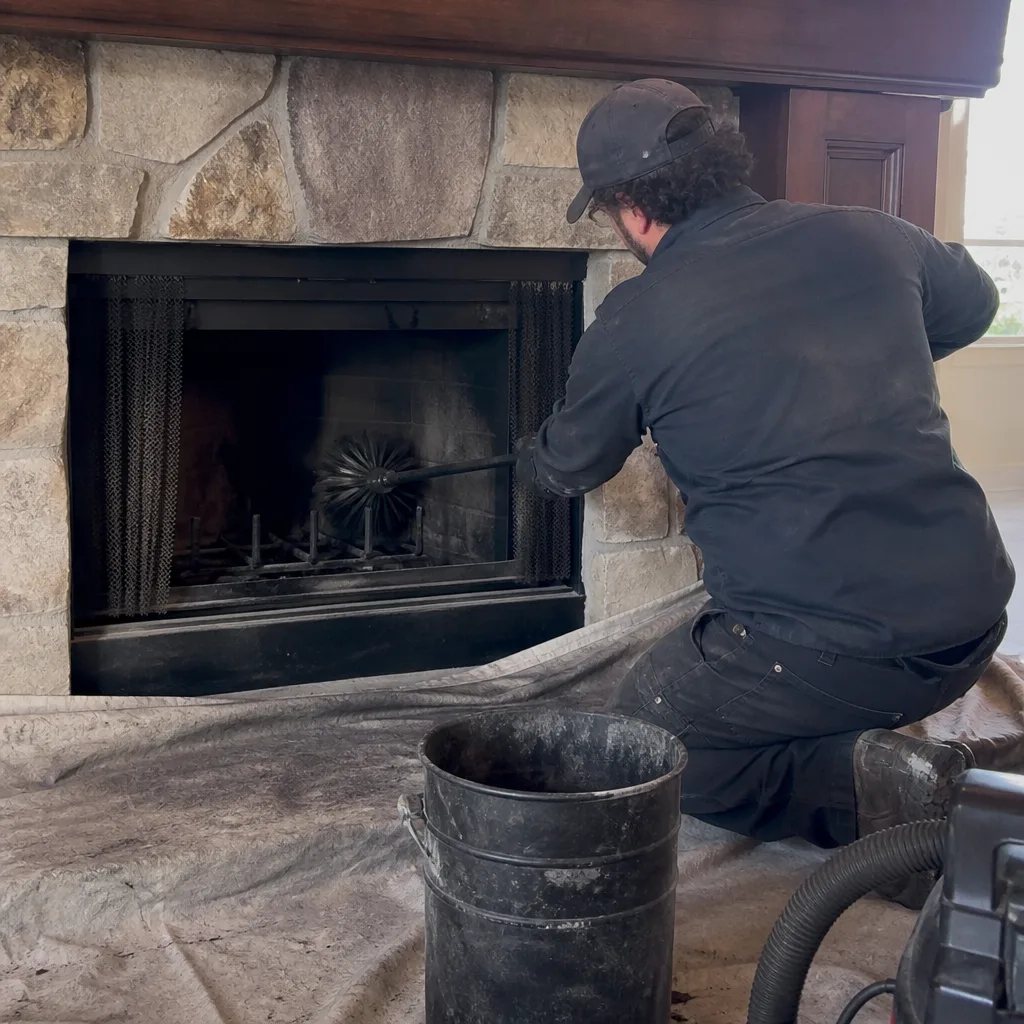
Level 1 sweep and inspection to the NFPA 211 annual standard - flue, crown, cap, and flashing checked and photographed
Chimney sweep logs do not sweep chimneys. They loosen some creosote - which then falls where a brush and vacuum still have to collect it.
Chimney Cleaning Cost Breakdown: The Highlands Ranch Homeowner’s Reference for 2026
The $99 chimney sweep special and the $350 full-service inspection are not competing prices for the same job. They’re different products, and a homeowner who buys the former thinking it’s the latter is walking into the most common setup for an expensive surprise. A brush-and-vacuum and a camera-documented system assessment both get called “a chimney cleaning,” which is why quotes in Highlands Ranch swing so far apart. This guide breaks down what actually sits inside each service tier, what 2026 pricing looks like in the Douglas County market, and how to read an estimate so the scope is never left vague.
Quick Answer
A standard chimney sweep in Highlands Ranch typically runs $180 to $320, while a sweep bundled with a Level 1 inspection lands around $250 to $400. A full Level 2 inspection with camera documentation usually costs $350 to $550. Repair work – caps, crowns, dampers, liner resurfacing – is priced separately, and the written estimate sets the final number.
Styles & brands we work with
- Sweep & inspection
- Caps & crowns
- Flue relining
- Masonry repair
- Gas fireplace service
Table of Contents
- Why Two Quotes for the Same Chimney Can Differ by Hundreds
- What’s Actually Included in Each Service Tier
- 2026 Price Ranges in the Highlands Ranch Market
- Repair Cost Benchmarks: Caps, Crowns, Dampers, Liners
- How to Read a Chimney Estimate
- The Real Cost of Deferred Maintenance
- Highlands Ranch Climate and Your Chimney
- Common Mistakes to Avoid
Why Two Quotes for the Same Chimney Can Differ by Hundreds
Two companies look at the same chimney and hand you quotes $200 apart. That gap is usually not a sign that one is gouging you. It’s a sign that the word “sweep” is doing far more work than it should. A 45-minute brush-and-vacuum and a two-hour assessment with a camera fed down the flue are different jobs with different labor, different equipment, and different deliverables at the end. When a company quotes a flat “cleaning” price, the first thing to establish is which of those two you’re buying.
In our experience around Highlands Ranch, the confusion gets worse because of how the quote is presented. A low number often looks complete on paper – it has a price, a date, a service name – but the scope is never written out. So the homeowner compares a low, thin quote against a higher, detailed one and assumes both cover the same ground. They don’t.
Three variables drive most of the spread:
- Access and setup. A straight, easy-to-reach flue with a clean rooftop goes fast. A flue with a tight offset, a steep roof pitch, or a cap that needs removal before the brush even goes in adds time on both ends of the job.
- Inspection level. A basic sweep includes a visual check. A Level 1 inspection is more thorough. A Level 2 adds a camera run through the flue and often the attic or crawl space – and that changes the price and what you learn.
- What happens after the sweep. If the technician finds a cracked crown or a failing damper, the cleanup and documentation of that finding is part of a good quote and absent from a thin one.
None of this makes the higher price automatically better. It makes the scope the thing to compare. Once you line up two estimates side by side with the scope spelled out, the “why is this one more expensive” question usually answers itself. For a closer look at what a proper visit involves, see our page on chimney sweep service.
What’s Actually Included in Each Service Tier
Here’s where most pricing confusion starts: four different service levels all get marketed as “a cleaning.” They are not interchangeable. Below is what each one actually includes, so you can match the tier to your situation instead of to a headline price.
Tier 1: Basic Sweep
A brush-and-vacuum of the accessible flue, with a visual glance at the firebox and damper on the way out. This is a maintenance visit. It clears soot and creosote from a chimney that was already in known-decent shape. It does not document condition, does not go down the flue with a camera, and does not assess the crown, cap, or liner from the inside. Think of it as changing the oil – necessary, useful, and not a diagnostic scan.
Tier 2: Sweep + Level 1 Inspection
The sweep, plus a systematic visual inspection of the accessible portions – firebox, damper, flue from the top and bottom, cap, crown, and the exterior where it meets the roofline. This is the level most homes need on an annual basis. You get a written account of what’s fine and what needs watching. It’s the tier that catches most small problems before they turn into repair bills.
Tier 3: Sweep + Level 2 With Camera
Everything in Tier 2, plus a video camera run through the length of the flue. This is what you want after a change in how the chimney performs, after a chimney fire, after a home purchase, or if the property has had a liner repair or replacement. The camera finds things the eye can’t see from either end – offsets, hidden damage, gaps in a liner joint, or cracks behind a visible surface. The output is photo or video documentation you keep.
Tier 4: Full System Assessment
The most complete tier, appropriate when a chimney is new to you, when you’re planning a repair, or when there’s an unresolved performance issue (smoke in the room, weak draft, water staining). It combines the sweep, the Level 2 camera work, and a full review of the appliance, connector, and the interaction between the two – plus an itemized repair plan if anything needs correcting. This is the tier our Highlands Ranch Chimney Sweep team treats as the foundation for any repair recommendation.
Match the tier to the question you’re trying to answer. A chimney that’s swept yearly and behaves well usually needs Tier 2. A chimney that’s new to you, or behaving oddly, needs Tier 3 or 4. For a repair question specifically, see our chimney repair page.
2026 Price Ranges in the Highlands Ranch Market
These are typical, estimated ranges for the Highlands Ranch and Douglas County market in 2026. They are not “real” or “actual” market prices – every chimney is different, and the written estimate you receive is the one that sets the final number. The purpose of a range is to tell you whether a quote is in the normal band or asking you to check the scope.
| Service Tier | Typical 2026 Range | What It Covers |
|---|---|---|
| Basic sweep | $180 – $320 | Brush and vacuum of accessible flue, visual check |
| Sweep + Level 1 inspection | $250 – $400 | Sweep plus systematic visual inspection, written notes |
| Sweep + Level 2 with camera | $350 – $550 | Sweep plus camera run and photo/video documentation |
| Full system assessment | $400 – $650 | All of the above plus appliance and connector review, repair plan |
Why do the ranges exist at all? A few structural reasons:
- Roof and access difficulty. Highlands Ranch has a lot of two-story homes with steeply pitched roofs. Getting to a flue cap safely takes longer on some homes than others, and that’s real labor.
- How dirty the chimney is. A flue with heavy glazed creosote from a season of smoldering fires takes more time to clear than one swept last year.
- Number of flues. A fireplace with a separate furnace flue is two cleanings, and pricing should reflect that.
- What gets documented. Camera work and a written report are the reason Tier 3 and 4 sit higher. You’re paying for the record, not just the sweep.
Compare quotes at the same tier. Comparing a Tier 1 price to a Tier 3 price is comparing a haircut to a haircut and a scalp check – they aren’t the same product, and the cheaper one isn’t a bargain if it answers a different question than the one you asked.
Repair Cost Benchmarks: Caps, Crowns, Dampers, Liners
Repair pricing is where the gap between reasonable and inflated widens the most, because the homeowner often can’t see what’s being repaired. The benchmarks below are typical 2026 ranges for the Highlands Ranch market. Use them to sanity-check a quote, and remember the written estimate governs.
| Repair | Typical 2026 Range | Notes |
|---|---|---|
| Chimney cap replacement | $250 – $600 | Depends on flue count and cap style |
| Crown coating / crown repair | $350 – $900 | Coating for minor cracks; rebuild for structural failure |
| Damper replacement | $350 – $800 | Top-seal or throat damper varies by type |
| Liner resurfacing (HeatShield) | $1,200 – $2,800 | For flues with cracks or gaps that can be resurfaced |
| Liner replacement | $2,500 – $6,000+ | Full reline with a stainless system |
| Tuckpointing (masonry) | $500 – $2,000 | Depends on square footage of mortar joint |
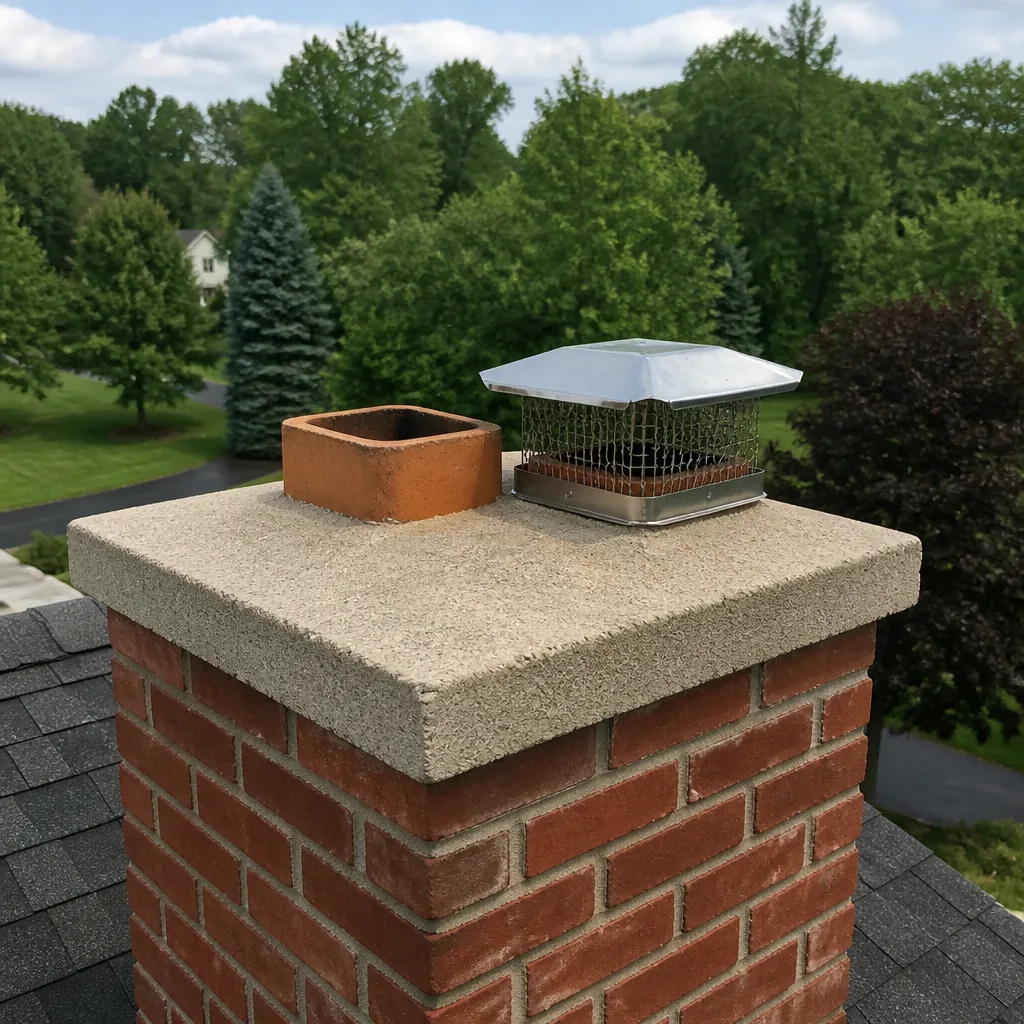
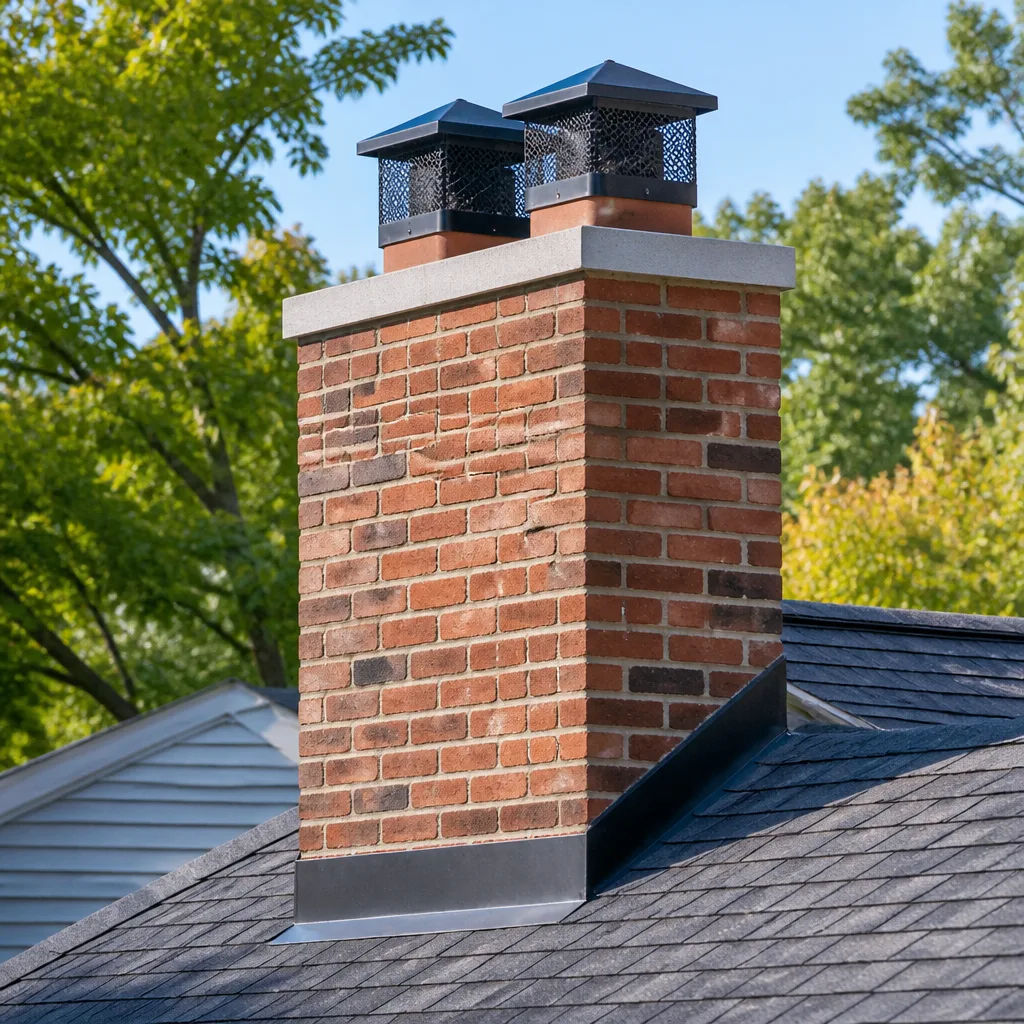
A few notes on reading these. The cap and crown are the two cheapest repairs on the list and the two that prevent the most expensive damage downstream – water intrusion is the leading cause of chimney deterioration in Highlands Ranch, and a missing or damaged cap lets it in at the top where it does the most harm. We install caps built to spec using Famco and Copperfield components, and addressing the cap and crown is often a single-visit fix for the water staining homeowners call us about.
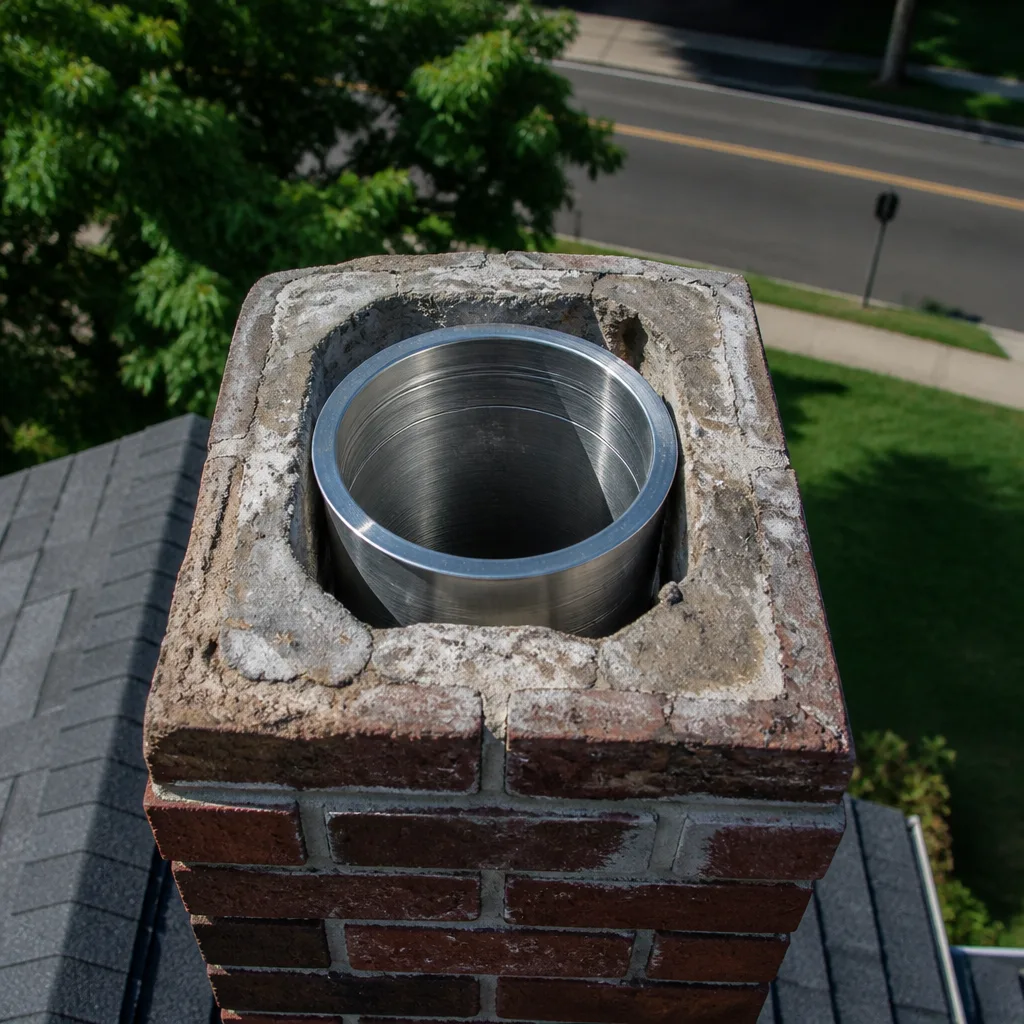
Liner work is where questions deserve the most scrutiny. HeatShield is a flue restoration system that lets a trained technician resurface a flue from the inside rather than tearing out and replacing it, and it can correct many of the crack and gap situations that would otherwise require a full reline. It’s not right for every flue. The job of the inspection is to tell you which category yours falls into – and the estimate should show you the photographic evidence that put it there. For more on fireplace-side repairs, see fireplace repair.
How to Read a Chimney Estimate
An estimate is either a tool that tells you what you’re buying, or a piece of paper that leaves the scope open. The difference is legible if you know what to look for. Here’s a step-by-step way to read one.
- Confirm the tier. Does the line item say “sweep,” “sweep plus Level 1,” or “Level 2 with camera”? If it just says “chimney cleaning,” ask which tier it is and get the answer in writing.
- Check what’s excluded. A detailed estimate names the repairs it isn’t covering. A vague one leaves the boundary undefined, which is how a $300 quote becomes a $2,000 conversation.
- Look for photo or video documentation. If the recommendation includes any repair, the estimate should reference the camera evidence behind it. “Recommended based on findings” without an image is a phrase to question.
- Separate diagnostic from repair. The sweep-plus-inspection is one line. The repairs that follow are separate lines with their own prices. A blended number hides which is which.
- Ask what the worst-case is. A good estimate flags the scenarios that could change the price – heavier creosote, an inaccessible flue, a repair that turns out to be structural.
Two signs of a vague estimate to watch for: the phrase “starting at” with no ceiling, and a single lump-sum line that covers “cleaning and any needed work.” Both leave the scope undefined, and undefined scope is where surprise bills come from. Our team works a flat-price sweep agreed before booking, with camera inspection and photo report included in the higher tiers, so the line between diagnostic and repair never blurs. If a recommended repair can safely wait, we tell you it can.
The Real Cost of Deferred Maintenance
A $250 annual sweep sounds like an easy line to cut in a tight year. Here’s what it’s actually protecting against.
The two failure modes in a neglected chimney are creosote accumulation and water intrusion, and both are cheap to prevent and expensive to correct. Creosote builds up with every fire, and at a certain stage it becomes glazed, hard to remove, and highly combustible. A chimney fire doesn’t always announce itself with roaring flames – many smolder and go unnoticed until the flue is inspected. Water intrusion is slower and quieter: a missing cap lets rain into the top of the flue, which corrodes dampers, cracks the crown, and degrades the liner over a few seasons. Neither is a scare tactic. Both are what an annual sweep and inspection are designed to catch.
Line up the math over a 10-year horizon:
- Routine path: a sweep-plus-inspection each year, with a cap and crown maintained, and a small repair caught early once or twice in the decade. The maintenance line stays small and predictable.
- Deferred path: skip those years, let water and creosote work, and the eventual repair typically lands in the liner or masonry range – often a $2,000 to $8,000 job that a maintained cap and a regular sweep would have prevented.
The comparison isn’t a scare number. It’s the difference between paying for prevention and paying for correction, and correction almost always costs more. The chimney doesn’t care which year you start; it just keeps absorbing the same weather and the same fires. The earlier a cap, crown, or liner issue is documented, the cheaper the fix.
Highlands Ranch Climate and Your Chimney
Highlands Ranch sits at elevation in Douglas County, which means a few local conditions shape how a chimney ages. The freeze-thaw cycle through winter is the big one. Masonry and mortar joints shift with temperature swings, and small cracks in a crown widen as water seeps in, freezes, and expands. That’s why a crown that looks fine in summer can be a real problem by the following spring. Cap maintenance isn’t cosmetic here; it’s the single most effective way to keep that cycle from doing damage inside the flue.
Elevation and air density affect draft, too. Many Highlands Ranch homes have taller flues or fixed dampers set up to compensate, and those components wear differently over time. A damper that doesn’t seal means heat loss and, worse, a flue that doesn’t draw properly, which is a performance issue the annual inspection tends to surface. Homes in neighborhoods like Northridge, Westridge, and the older section of Highlands Ranch often have wood-burning fireplaces with original components; the newer builds lean toward gas and direct-vent, which have their own maintenance rhythms but still benefit from a system-level look once a year.
The wood matters as much as the climate. Burning seasoned hardwoods reduces creosote buildup compared to smoldering soft or green wood, and the difference shows up at the sweep. A homeowner who burns clean and hot has a slightly easier chimney than one who burns low and slow – and a technician can tell which by looking at what comes out of the flue.
Common Mistakes to Avoid
- Buying the cheapest “sweep special” and assuming it’s an inspection. A discounted sweep is a maintenance visit, not a diagnostic. If you have an unresolved performance issue, that tier won’t answer it, and you’ll pay for a second visit.
- Comparing quotes at different tiers. A Tier 1 price against a Tier 3 price is an apples-to-oranges comparison. Line up the scope before you compare the number.
- Skipping the camera because the sweep “found nothing.” A visual check can’t see an offset, a joint gap, or hidden damage. If the flue is new to you or has had repair work, ask for the camera.
- Letting a cracked crown sit through a Highlands Ranch winter. Freeze-thaw turns a small crack into a structural problem fast. Crown repair is one of the cheapest lines in the whole estimate, and one of the most wasted when it’s skipped.
- Accepting a verbal repair recommendation without documented evidence. If a technician recommends a liner repair, ask to see the photo or video that prompted it. Our team treats the inspection as diagnostic, not as a checkbox, and the evidence should be yours to keep.
- Hiring a generalist for a specialist repair. Liner resurfacing, crown rebuilds, and masonry repair need trade-specific materials and method. A handyman who “also does chimneys” usually doesn’t stock or train on the products a chimney specialist specifies.
- Ignoring the cap. If there’s one piece of the system most homeowners skip and most need to address, it’s the cap. Water intrusion starts there, and a cap replacement is a single-visit fix that closes the door on a whole category of damage.
See the difference
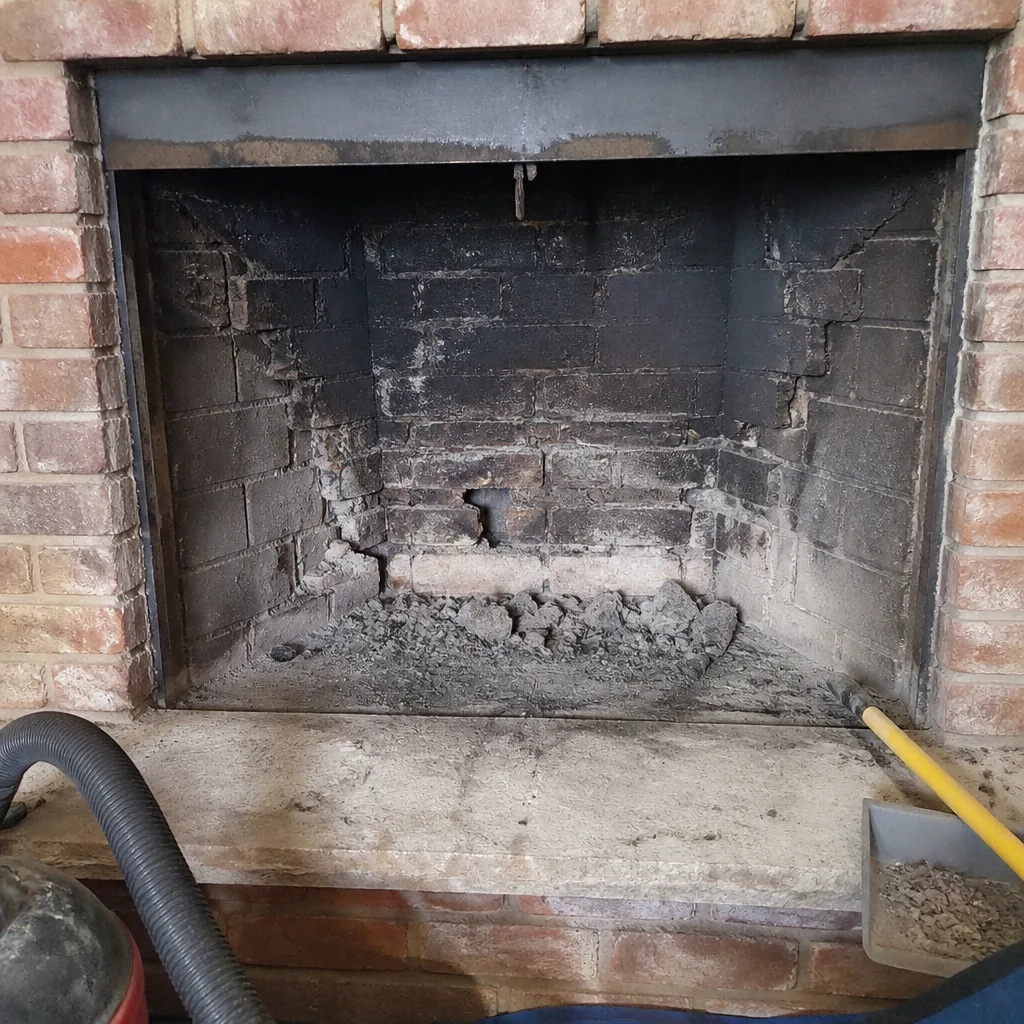 Before
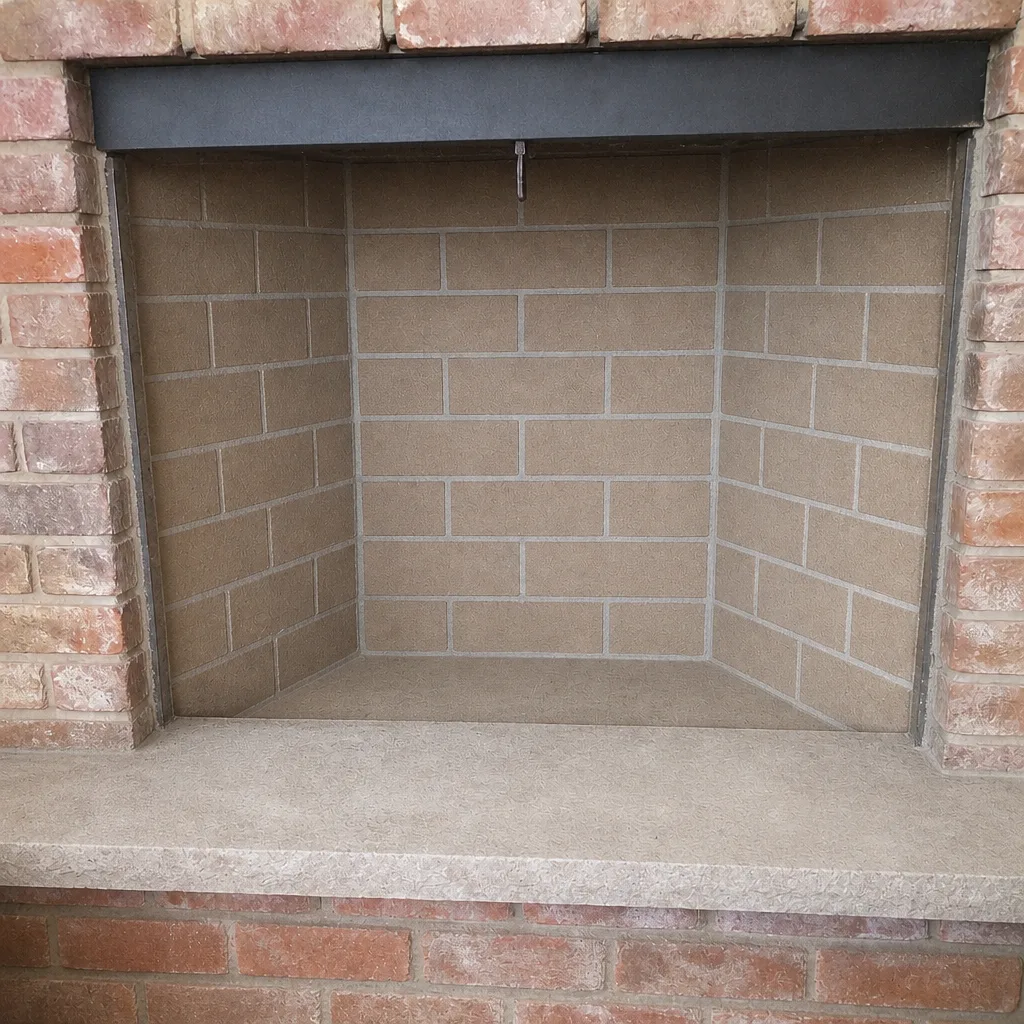 After
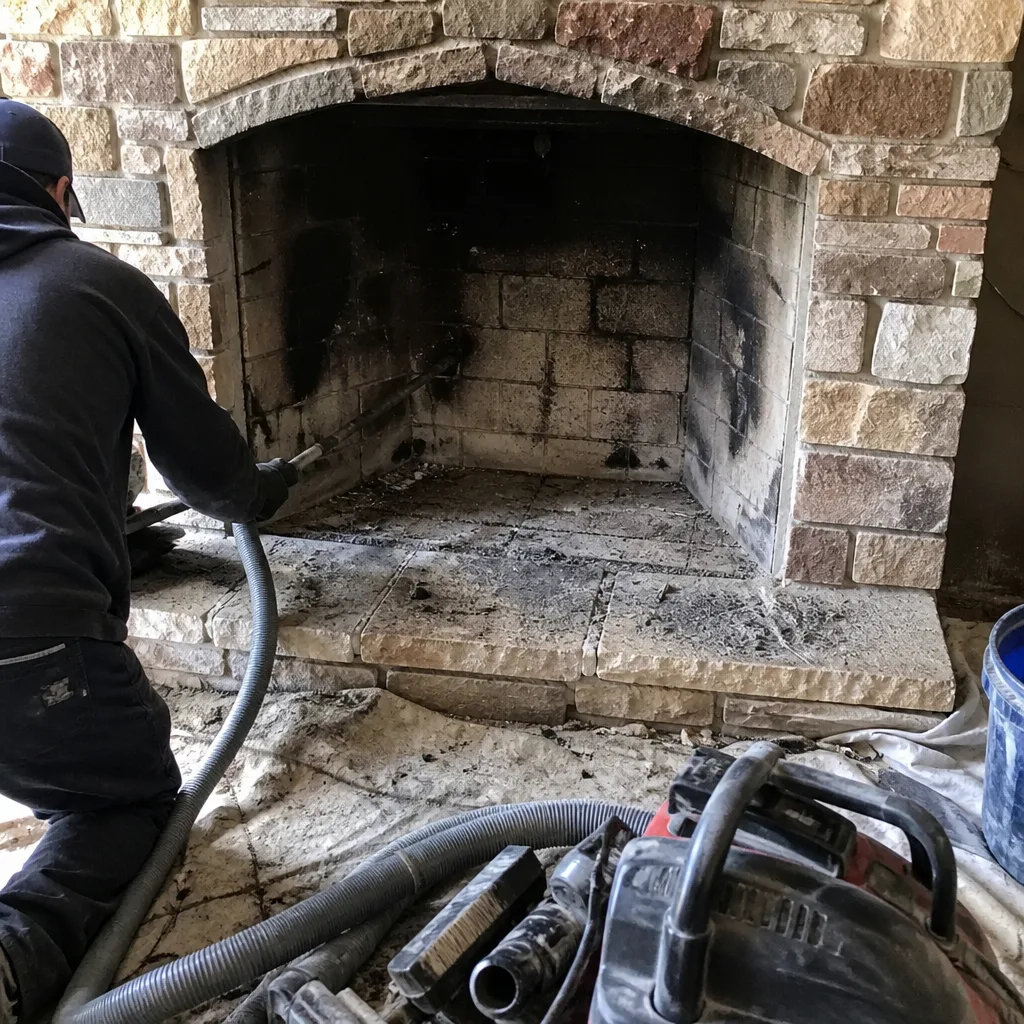 Before
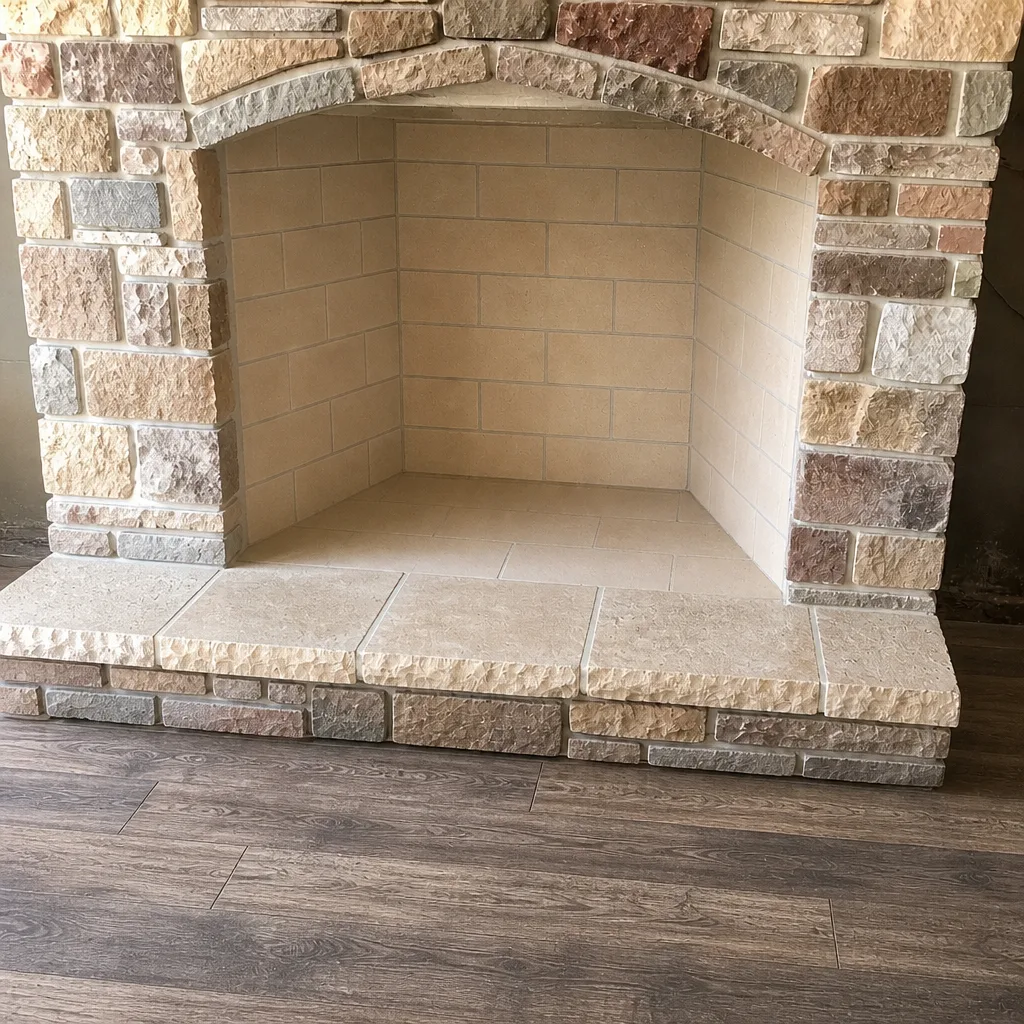 After
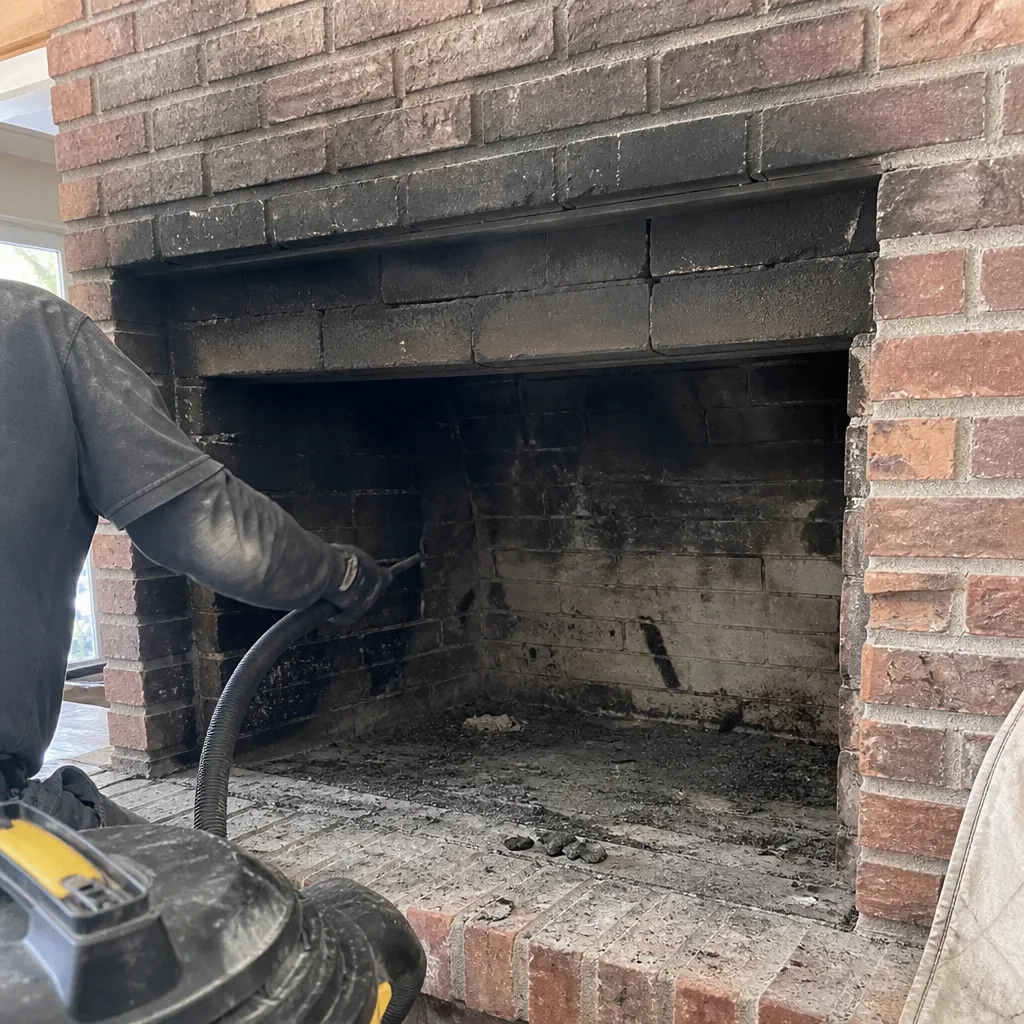 Before
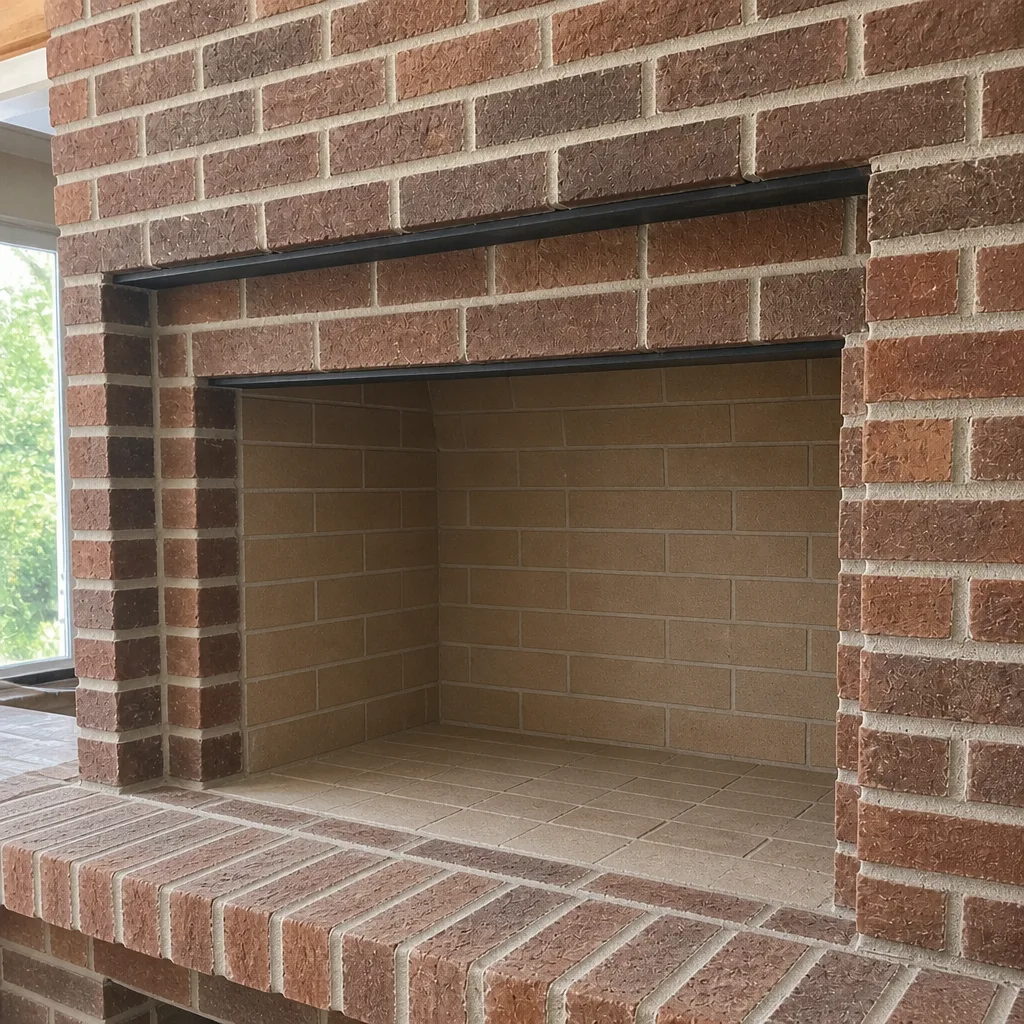 After
When to Call a Professional
Call a professional if the chimney hasn’t been swept in a year or more, if you’ve had a chimney fire of any size, if you notice water staining on the ceiling or near the firebox, if smoke backs into the room when you burn, or if you’re buying or selling a home in Highlands Ranch and need the system documented. Also call if you’ve moved into a home and don’t know the chimney’s service history – a Level 2 assessment answers more than a basic sweep and gives you a baseline to work from. Our technicians have up to 8 years of experience across the full system, from routine sweeping to HeatShield resurfacing, and we inspect before we recommend. Highlands Ranch Chimney Sweep offers free estimates in Highlands Ranch – call (833) 482-6314. We answer 24/7. Fast dispatch from 7am to 7pm, Sunday through Friday.
Frequently Asked Questions
A standard chimney sweep in Highlands Ranch typically runs $180 to $320, and a sweep plus Level 1 inspection lands around $250 to $400. A Level 2 inspection with camera work is usually $350 to $550. Call (833) 482-6314 for an exact quote – estimates are free.
Only if the inspection shows the flue can’t be safely used as-is – cracks, joint gaps, or damage that a camera run reveals. Many flues that look like reline candidates can be resurfaced with HeatShield instead, which is far less expensive. Nothing should be recommended without camera evidence you can see for yourself, and it’s fair to ask to see it before you approve anything.
Once a year is the standard for a wood-burning fireplace that sees regular use, and sooner if you burn heavily or notice any change in how the chimney performs. A gas fireplace still benefits from an annual visual check even though there’s no creosote to sweep. The purpose of the annual visit is catching small issues before they become repairs.
Creosote keeps building and eventually becomes glazed and combustible, and a missing or damaged cap lets water into the flue where it corrodes and cracks components. Over a decade, the repair those conditions produce typically runs $2,000 to $8,000 in liner or masonry work. Skipping the sweep doesn’t save you money; it just moves the cost to a bigger bill later.
Check the line items against the scope. A cap replacement in the $250 to $600 range or a crown repair in the $350 to $900 range is in the normal band for the 2026 market. A quote far outside those bands, especially one that’s a single lump sum with no breakdown, is worth a second look. The written estimate should show you what each repair addresses and what evidence supports it.
Sometimes. Most chimney water damage traces back to the cap and crown, and addressing both is often a single-visit repair when the crown is intact enough for coating rather than rebuild. If the intrusion has reached the liner or the masonry has failed, the work is larger. The inspection is what tells the two apart, and the estimate follows from that.
It means the price you’re quoted for the sweep is the price you pay for the sweep, agreed in advance, with the scope written out. Any repairs that come up are separate line items, always documented with camera evidence. You decide what proceeds. For related services, see fireplace repair.
The Bottom Line
Chimney cleaning prices in Highlands Ranch vary because the service name covers four different tiers, from a 45-minute brush-and-vacuum to a full camera-documented system assessment. Match the tier to the question you’re trying to answer, compare quotes at the same tier, and demand line items, not lump sums. A sweep-plus-inspection each year, with a properly maintained cap and crown, is the cheapest path through a decade of ownership – the deferred path is where the $2,000 to $8,000 repairs live. Choose a specialist who inspects before recommending, uses professional-grade materials like HeatShield, DuraFlex, and Copperfield, and shows you the evidence.
Highlands Ranch Chimney Sweep handles the full system under one company – sweeping, inspection, fireplace repair, chimney repair, and cap and crown installation – so nothing falls between contractors. Call (833) 482-6314 for a free estimate. We answer 24/7. Fast dispatch from 7am to 7pm, Sunday through Friday.
Written by the team at Highlands Ranch Chimney Sweep.