
Last updated November 25, 2026
 Sweep & inspection
 Caps & crowns
 Flue relining
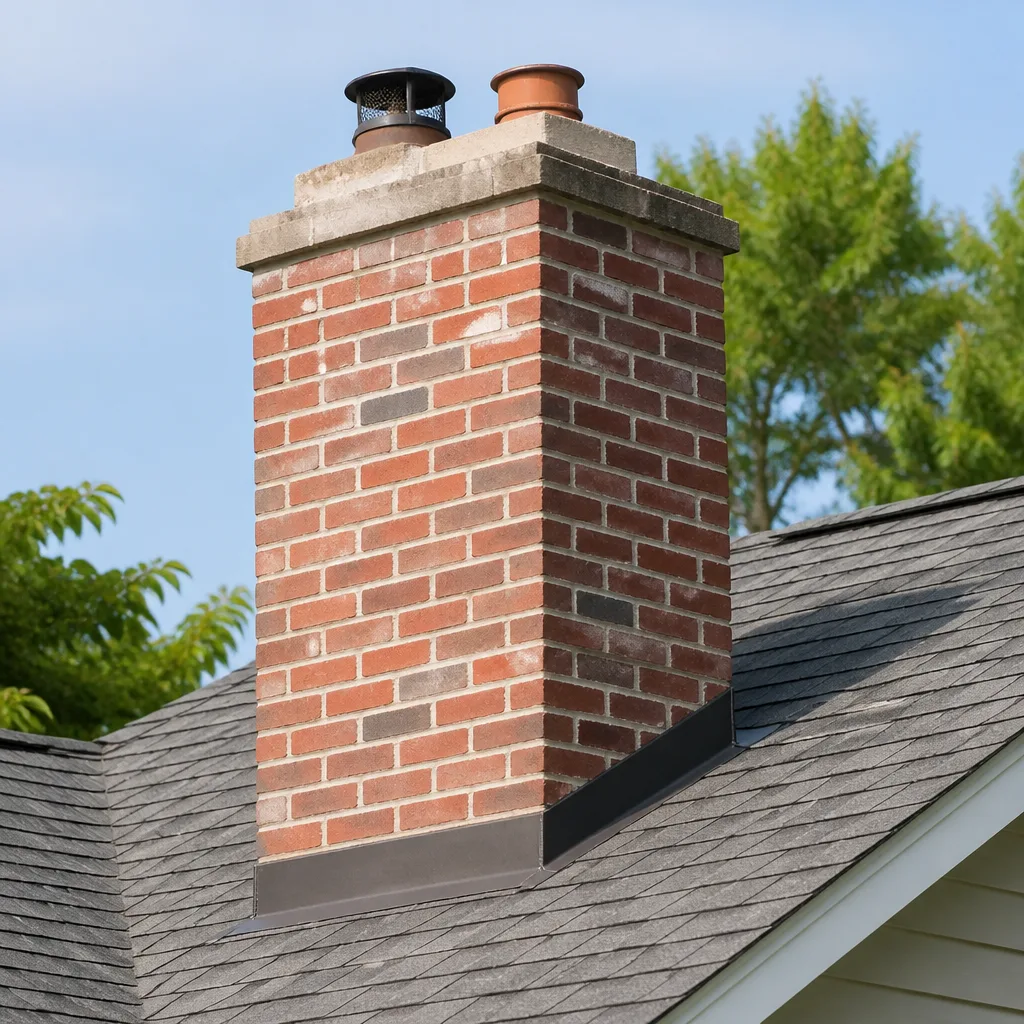 Masonry repair
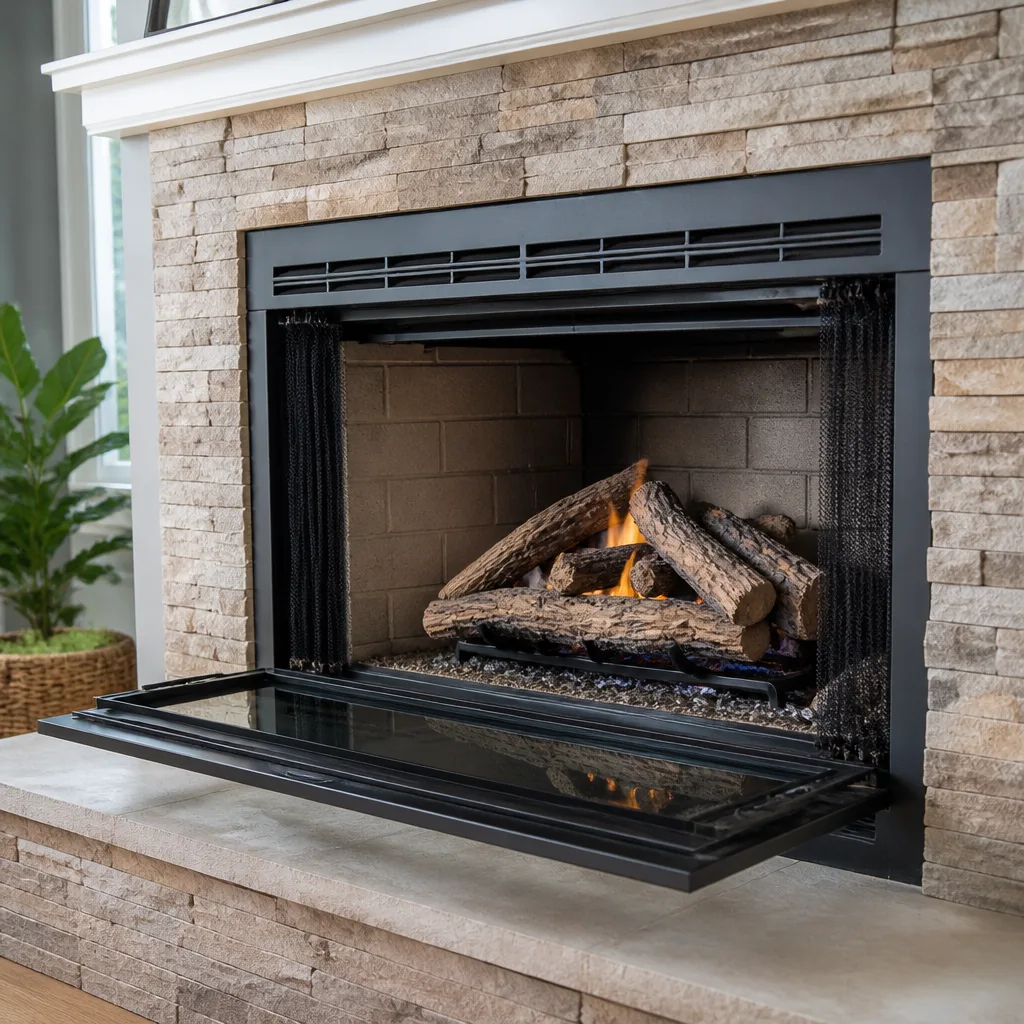 Gas fireplace service
Level 1 sweep and inspection to the NFPA 211 annual standard - flue, crown, cap, and flashing checked and photographed
Chimney sweep logs do not sweep chimneys. They loosen some creosote - which then falls where a brush and vacuum still have to collect it.
Seasonal Chimney Cleaning Care for Highlands Ranch: Year-Round Homeowner’s Guide
Most homeowners here treat chimney care as a single item on a fall checklist: call someone before the first fire, then forget about it until next year. That approach misses the season that does the most damage. The hardest stretch for a Highlands Ranch chimney isn’t December or January. It’s March and April, when freeze-thaw cycles peak and moisture that worked its way into masonry over the winter expands and fractures mortar joints. By the time you notice a crack in the firebox or a stain on the ceiling, the problem has been compounding for months. This guide breaks the year into four distinct seasonal phases and explains what to check, when to book work, and why the order matters.
Quick Answer
Chimney care in Highlands Ranch should follow four seasons, not one. Book a sweep and inspection in fall before your first fire, watch creosote buildup through the winter, inspect for freeze-thaw damage in spring when it peaks, and address moisture intrusion and cap or crown problems in summer before they compound. Aligning maintenance to those phases protects the whole system and prevents the kind of damage that turns a routine sweep into structural repair.
Styles & brands we work with
- Sweep & inspection
- Caps & crowns
- Flue relining
- Masonry repair
- Gas fireplace service
Table of Contents
- Why Seasonal Care Matters More Than an Annual Sweep
- Fall (September-October): Before the First Fire
- Winter (November-February): Managing the Burning Season
- Spring (March-May): The Highest-Risk Structural Period
- Summer (June-August): Off-Season Moisture and Cap Work
- How Highlands Ranch Wind Patterns Affect Your Chimney
- Common Mistakes to Avoid
- When to Call a Professional
Why Seasonal Care Matters More Than an Annual Sweep
A chimney isn’t a single object. It’s a system of connected parts – firebox, damper, flue, liner, crown, cap – and each part is exposed to different stress at different times of year. Creosote accumulates fastest while you’re burning. Water damage progresses fastest when you’re not. That split is why a single annual sweep, booked at the same time every year, can leave gaps.
In our experience across Highlands Ranch, the chimneys that reach the repair stage are rarely the ones that were never swept. They’re the ones that were swept but never inspected at the right moment. A flue that looks clean in October can have a hairline crack by April that wasn’t there when the sweep ran the brush. A crown that sheds water fine in summer can fail its first hard freeze and start channeling meltwater into the masonry behind it.
The fix is simple: schedule the work by season, not by habit. Here’s how the four phases break down for a typical Highlands Ranch home.
- Fall: sweep, inspect, verify draft, seal up against animals.
- Winter: monitor creosote, adjust burning habits, watch for draft problems.
- Spring: inspect for freeze-thaw damage, check mortar joints and crown.
- Summer: repair moisture intrusion, install or replace caps and crowns while the system is idle.
Treat each phase as a checkpoint. If something fails one, you catch it before it cascades into the next.
Fall (September-October): What to Verify Before the First Fire
Fall is the season most homeowners already think about, and for good reason. You’re about to introduce fire into a system that’s been idle for months. What matters is doing the checks in the right order.
Start with a draft test. Before you burn anything, confirm the flue actually pulls air up and out. A cold chimney can struggle to establish draft, and a blocked or partially obstructed flue will let smoke back into the room. Light a small piece of newspaper near the damper and watch whether the smoke rises cleanly. If it drifts into the room instead, stop and get the flue checked. A professional inspection with a camera will tell you whether the obstruction is creosote, a nest, or a structural problem.
Check the damper seal. The damper should open and close smoothly and sit flush when closed. A warped or rusted damper leaks heat up the flue year-round and lets cold air down in winter. If it doesn’t seat properly, it’s a small repair that prevents a larger efficiency problem.
Look for animal intrusion. This is the check homeowners skip most often, and it’s the one that causes the most fall surprises. Birds, squirrels, and raccoons treat an uncapped flue as prime real estate. A nest near the top of the flue restricts draft and, worse, is a fire hazard the moment you light a fire. If your chimney doesn’t have a cap, fall is the season to add one. More on that below.
Get a creosote baseline. A fall sweep clears out whatever accumulated last season and gives you a clean starting point. It also lets a technician measure how much creosote your burning habits produce, which informs how often you’ll need a mid-season sweep. If you burn often and burn soft wood, that baseline will look different than for a homeowner who burns a few cords of seasoned hardwood a year.
If it’s been more than a year since your last cleaning, start with a chimney sweep and have the technician inspect the full system while they’re there. One visit, both jobs.
Winter (November-February): Managing the Burning Season
Once the burning season starts, your job shifts from preparing to monitoring. Creosote accumulates as a byproduct of combustion, and how fast it builds depends on what you burn and how you burn it.
Wood species matters more than most homeowners realize. Seasoned hardwood – oak, maple, ash – burns hot and clean with less creosote. Soft woods and unseasoned “green” wood burn cooler and produce more smoke, which condenses in the flue as creosote. If you’re buying firewood, ask whether it’s been seasoned for at least a year. If it feels heavy and hisses when it burns, it’s still wet.
Burning frequency changes the sweep schedule. A fireplace used a few times a month accumulates creosote slowly. A fireplace used daily, especially with a wood stove insert, can build a meaningful layer in a single season. If you burn heavily, a mid-season sweep in January or February is worth scheduling. It’s not a hardship – it’s a check that catches buildup before it reaches the stage where it becomes a fire risk.
Watch for draft problems that appear only in winter. A chimney that drafts fine in October can struggle in January when outdoor temperatures drop and the pressure balance shifts. Symptoms include smoke rolling into the room when you open the door, a fire that’s hard to keep lit, and a smell of smoke in the house after the fire dies down. These are worth a call. Sometimes the fix is as simple as a damper adjustment; sometimes it points to a flue that needs attention.
Burning wood also produces water vapor, and that moisture travels up the flue with the smoke. In a cold flue, it can condense on the liner walls and, over a season, work its way into masonry. That’s the moisture that becomes a problem in spring.
Spring (March-May): The Highest-Risk Structural Period
Here’s the counterintuitive part. The most damaging season for a Highlands Ranch chimney isn’t the coldest one. It’s the transition out of it.
Freeze-thaw cycles peak in March and April. During the day, temperatures climb above freezing and any moisture trapped in masonry – from winter burning, from snowmelt, from a compromised crown – expands as it warms. At night, it freezes again and contracts. Repeat that cycle for weeks and mortar joints start to crack. Small cracks let in more water, which freezes and expands again. The damage compounds.
That’s why spring is the season for a structural inspection, not just a cleaning. What to look at:
- Mortar joints on the exterior stack. Look for crumbly, receding, or missing mortar between the bricks. Soft mortar that you can dig out with a screwdriver is a sign water has been working in.
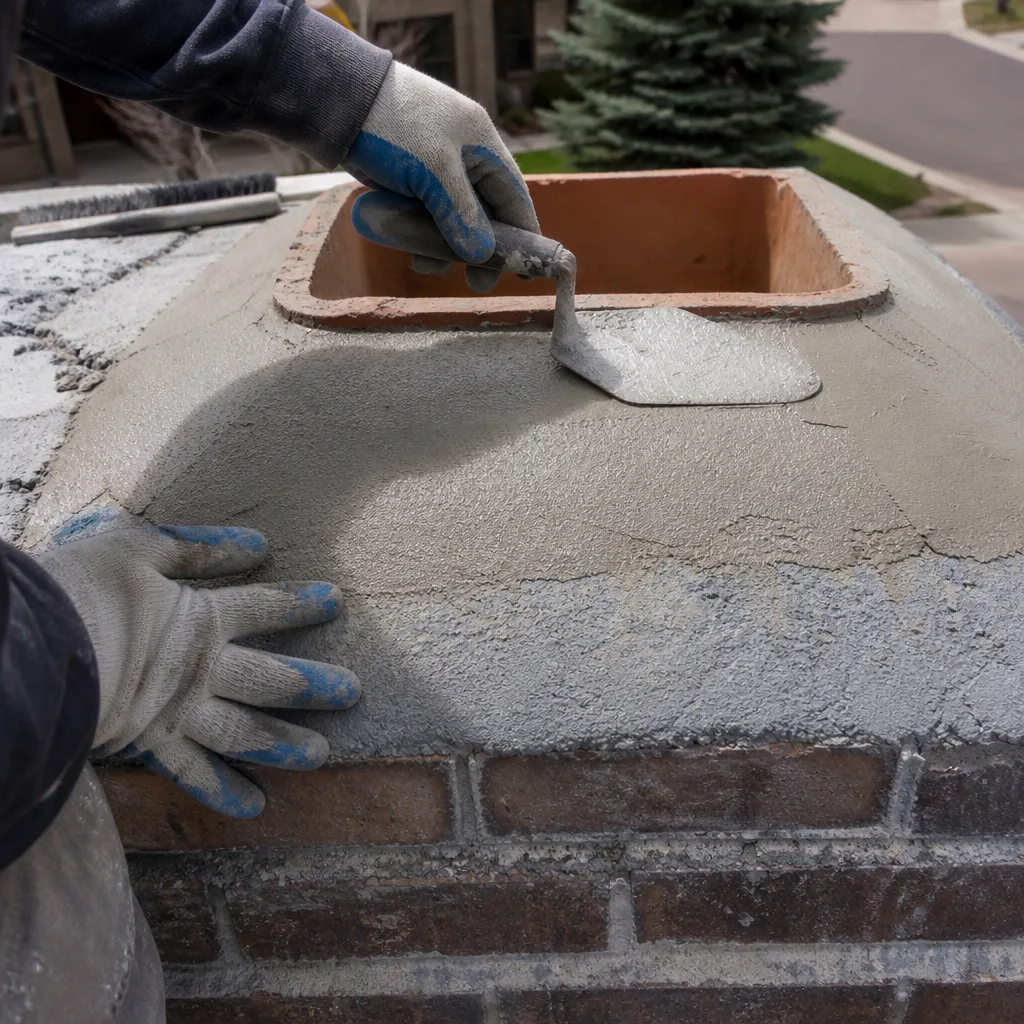
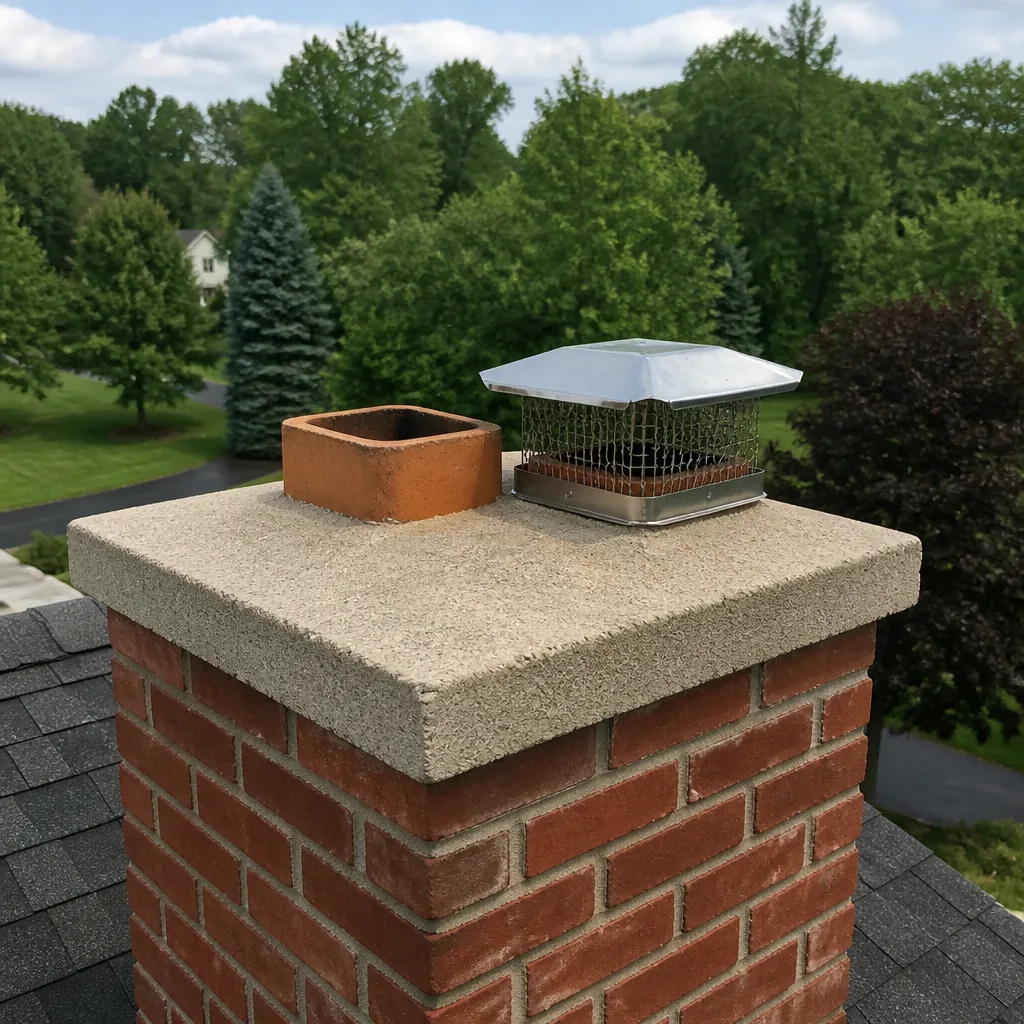
- The crown. The concrete or mortar cap at the very top should slope away from the flue and be free of cracks. A cracked crown channels meltwater straight into the masonry below.
- Efflorescence. White, chalky staining on the brick is a sign of water moving through the masonry and depositing salts on the surface. It’s cosmetic on its own, but it’s telling you water is getting in somewhere.
- Interior water stains. Brown or yellow stains on the ceiling near the chimney, or on the firebox walls, point to a leak that’s been active for a while.
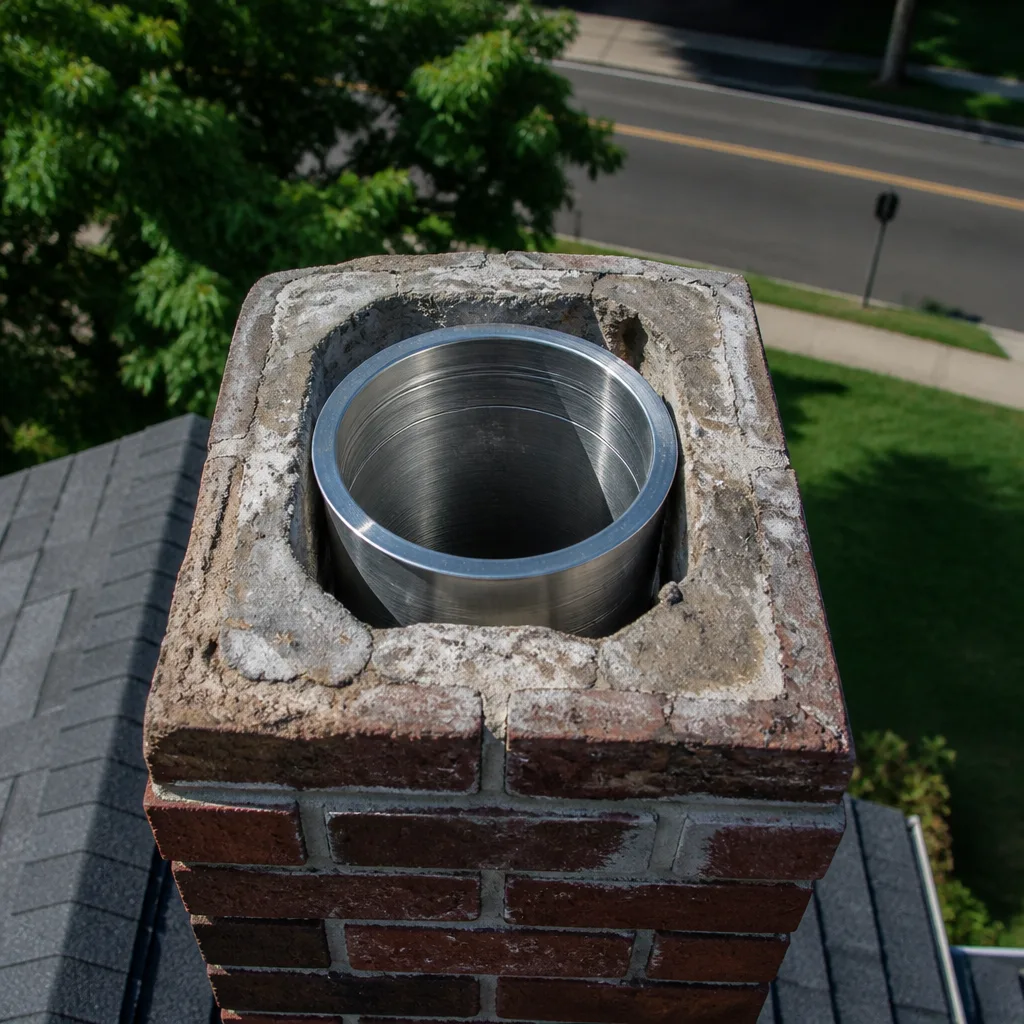
- The flue liner. A camera inspection in spring shows whether the liner has cracked or spalled over the winter. This is the check that matters most for safety.
Spring is also when a lot of homeowners first notice a problem they assumed was minor in fall. A hairline crack in a firebox wall that wasn’t there in October is a spring finding. Catching it now is the difference between a targeted fireplace repair and a full rebuild later.
Summer (June-August): Off-Season Moisture and Cap Work
Summer is when the chimney sits idle, and idle is exactly when moisture damage quietly advances. Rain, hail, and afternoon thunderstorms all hit the top of the chimney first. If the crown is cracked or the cap is missing, that water goes straight into the flue and the masonry.
Summer is the best season to address it, for two reasons. First, the damage is easiest to see and easiest to fix when the system is dry. Second, scheduling repair work in summer means the chimney is ready before fall, not patched together in October.
What typically gets handled in summer:
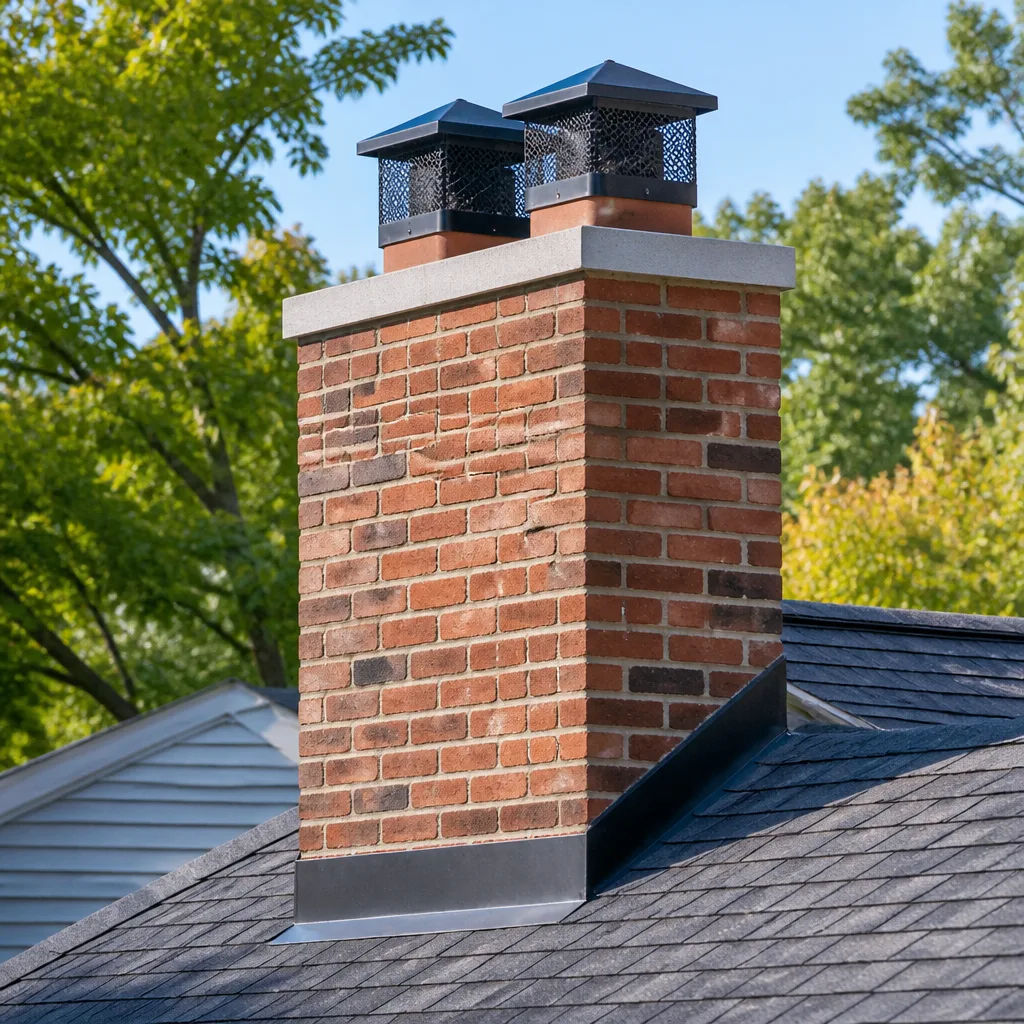
- Cap installation or replacement. A chimney cap is a metal cover over the flue opening with a mesh screen on the sides. It keeps rain, snow, animals, and debris out while letting smoke escape. It’s the single most effective piece of equipment for preventing water intrusion. If your chimney doesn’t have one, or the one it has is rusted, dented, or missing its screen, summer is the time to fix it.
- Crown repair. The crown is the concrete slab at the top of the masonry stack. A cracked or spalling crown is the number-one source of chimney water damage. Repairing it means addressing the actual source of the leak, not just the stain on the ceiling below.
- Liner repair or resurfacing. If spring inspection found cracks in the flue liner, summer is when resurfacing work can be done. We use HeatShield, a flue restoration system recognized in the chimney trade, for this kind of repair. It resurfaces the inside of the flue rather than requiring a full liner replacement in every case.
- Masonry repair. Repointing mortar joints and replacing spalled bricks is easier and more durable in warm, dry weather.
This is where full-system capability matters. If your sweep company doesn’t do masonry, cap, or crown work, you end up coordinating two or three contractors for one chimney. We handle chimney repair, cap and crown installation, and liner work as part of the same scope, so nothing gets lost in a handoff.
How Highlands Ranch Wind Patterns Affect Your Chimney
Highlands Ranch sits on the eastern edge of the Front Range, and the wind here is not background noise. Chinook events – the warm, dry downslope winds that push over the mountains – can produce strong gusts that hit the top of the chimney at an angle the system wasn’t designed for.
For some homes, that shows up as downdraft. You light a fire, and instead of pulling smoke up, the chimney pushes air down. Smoke spills into the room, the fire struggles, and the smell lingers after it dies. It’s not a draft problem in the sense of a blocked flue. It’s a pressure problem caused by wind hitting the cap or the top of the stack at a bad angle.
The common fixes:
- A wind-resistant cap. Certain cap designs are built to deflect wind and reduce downdraft. A standard flat cap can actually make downdraft worse on a windy exposure.
- A taller stack. Extending the flue a foot or two above the surrounding roofline can change how wind interacts with the chimney top. This isn’t always the right fix, but it’s worth considering on homes where the chimney sits on a low roof section.
- Damper upgrades. A top-sealing damper closes at the top of the flue rather than the bottom, which seals out wind and cold air when the fireplace isn’t in use. On a windy Highlands Ranch lot, it’s a meaningful improvement over an old throat damper.
Wind also drives rain and snow sideways into the flue. A cap with a proper screen and a solid crown are the first line of defense, and they’re the reason we treat cap and crown work as core repair rather than an afterthought.
Common Mistakes to Avoid
- Sweeping once a year and calling it done. A fall sweep clears creosote but doesn’t catch the freeze-thaw damage that appears in spring. If you only book one visit a year, make it a full inspection, not just a brush.
- Skipping the damper check. A damper that doesn’t seal properly wastes heat all winter and lets cold air in when the fireplace is off. It’s a small part with a big effect on how the whole system performs.
- Ignoring efflorescence. White staining on the brick isn’t just cosmetic. It’s a sign water is moving through the masonry. Treat it as a prompt to find the source.
- Burning unseasoned wood to save money. Green wood produces more creosote and more water vapor, both of which do long-term damage to the flue. The short-term saving isn’t worth the longer-term repair.
- Delaying cap installation until fall. Every summer storm that hits an uncapped flue drives water into the masonry. By the time fall arrives, the moisture has already begun working its way in.
- Assuming a water stain is a roof problem. Ceiling stains near the chimney are usually chimney problems, not roof problems. A crown crack or a missing cap lets water in at the top of the stack, and it travels down the masonry before it shows up inside.
- Booking a sweep company that doesn’t do repairs. If the sweep finds a cracked crown, you’ll be calling a second contractor. Working with one specialist who handles sweep, inspection, and repair keeps the accountability in one place.
When to Call a Professional
Some chimney issues are routine and seasonal. Others need a call right away. Reach out if you notice smoke rolling into the room when you open the fireplace door, a strong creosote smell in warm weather, water staining on the ceiling or firebox walls, crumbling mortar on the exterior stack, or a cap that’s loose, rusted, or missing. Don’t wait on those – each of them is a signal the system needs attention now, not at the next seasonal checkpoint.
For routine work, book by season. Fall for sweep and inspection, spring for structural check, summer for repair. Highlands Ranch Chimney Sweep offers free estimates in Highlands Ranch – call (833) 482-6314. We answer 24/7. Fast dispatch from 7am to 7pm, Sunday through Friday.
See the difference
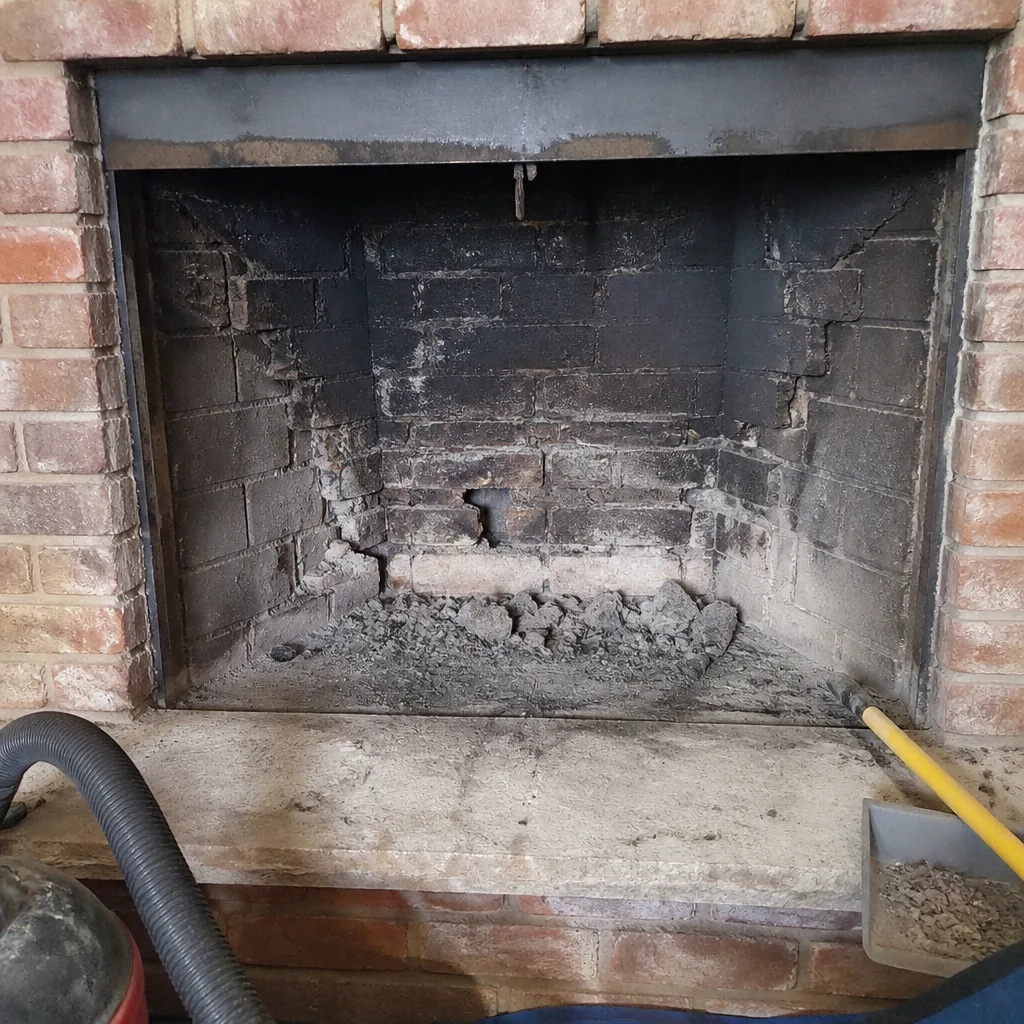 Before
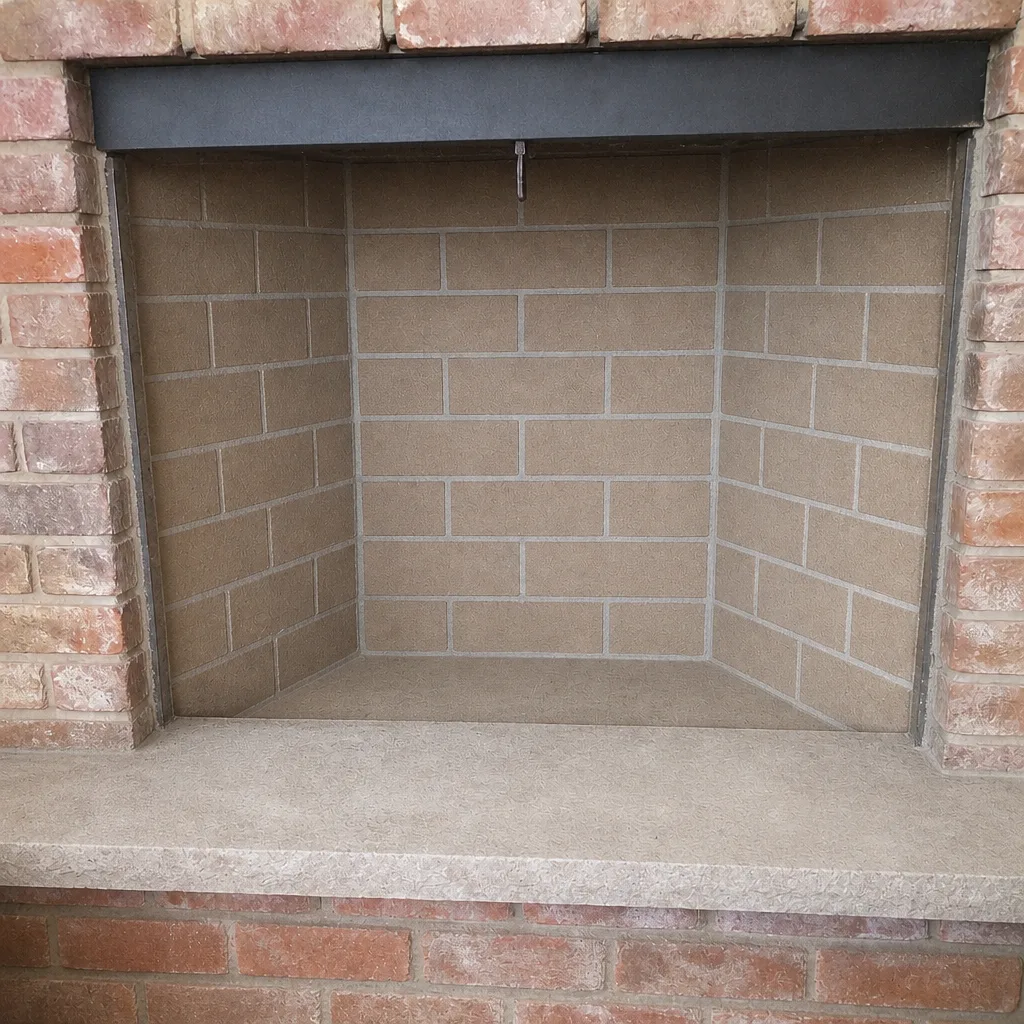 After
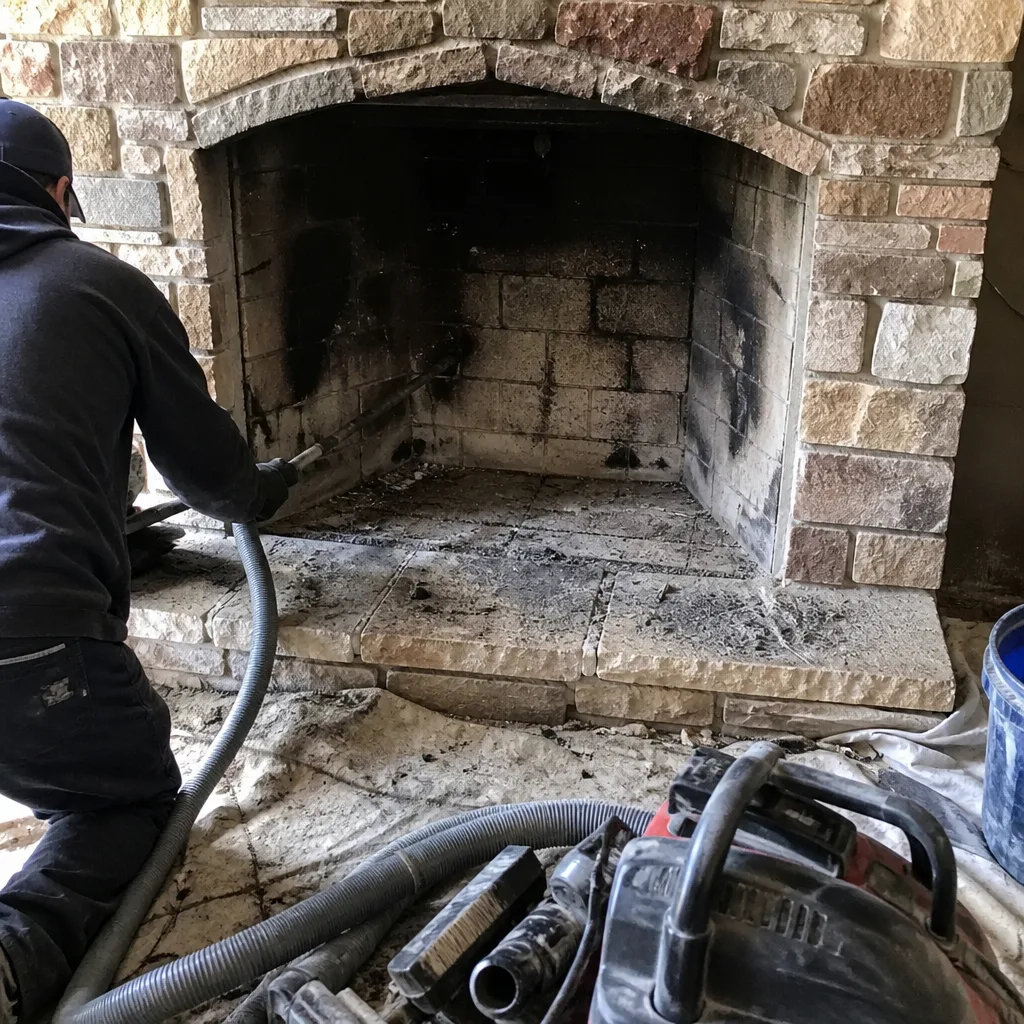 Before
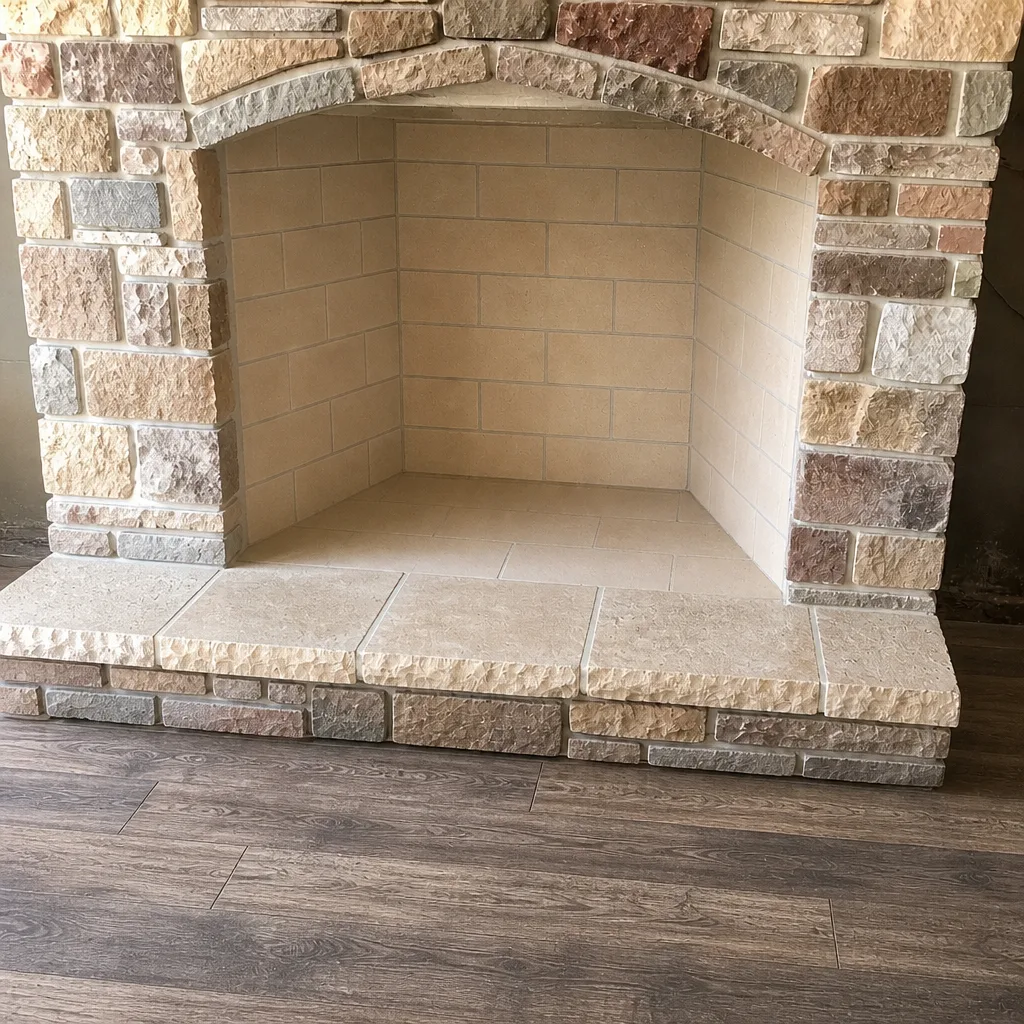 After
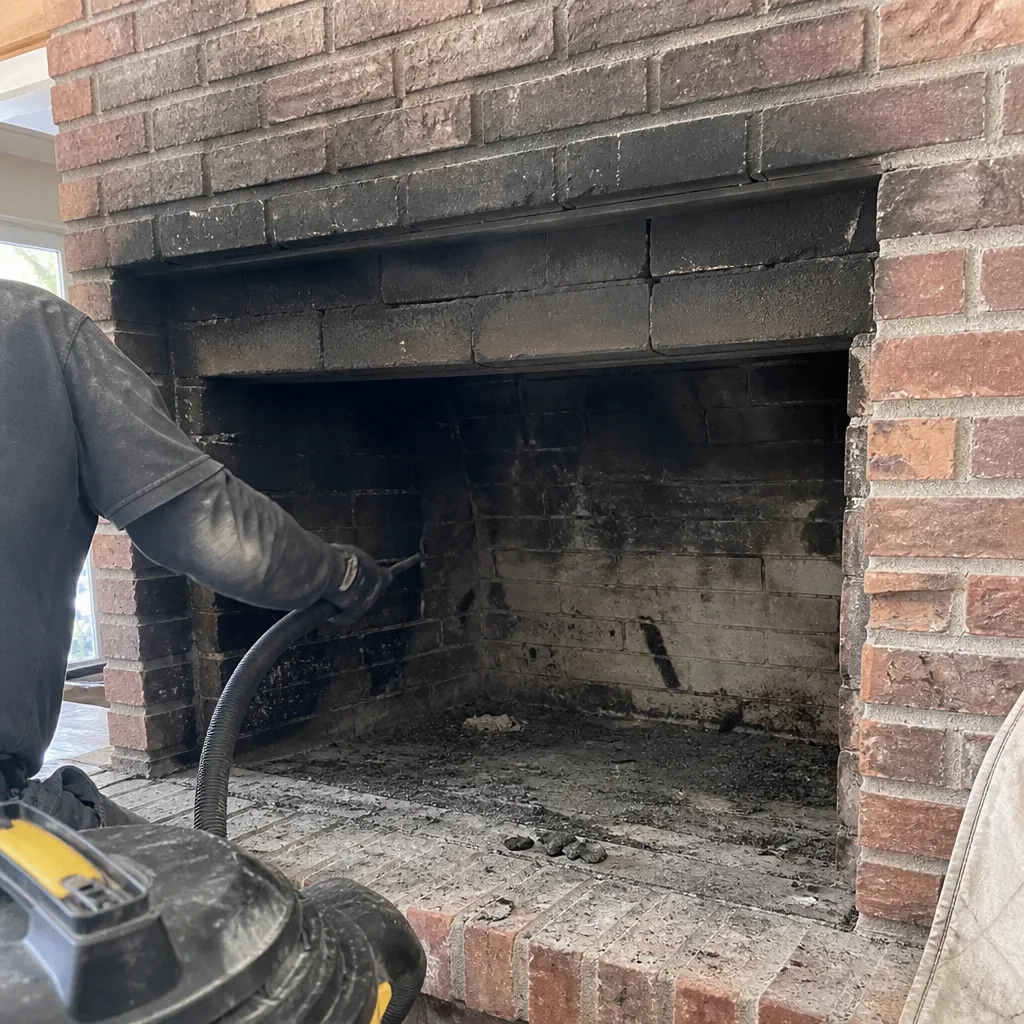 Before
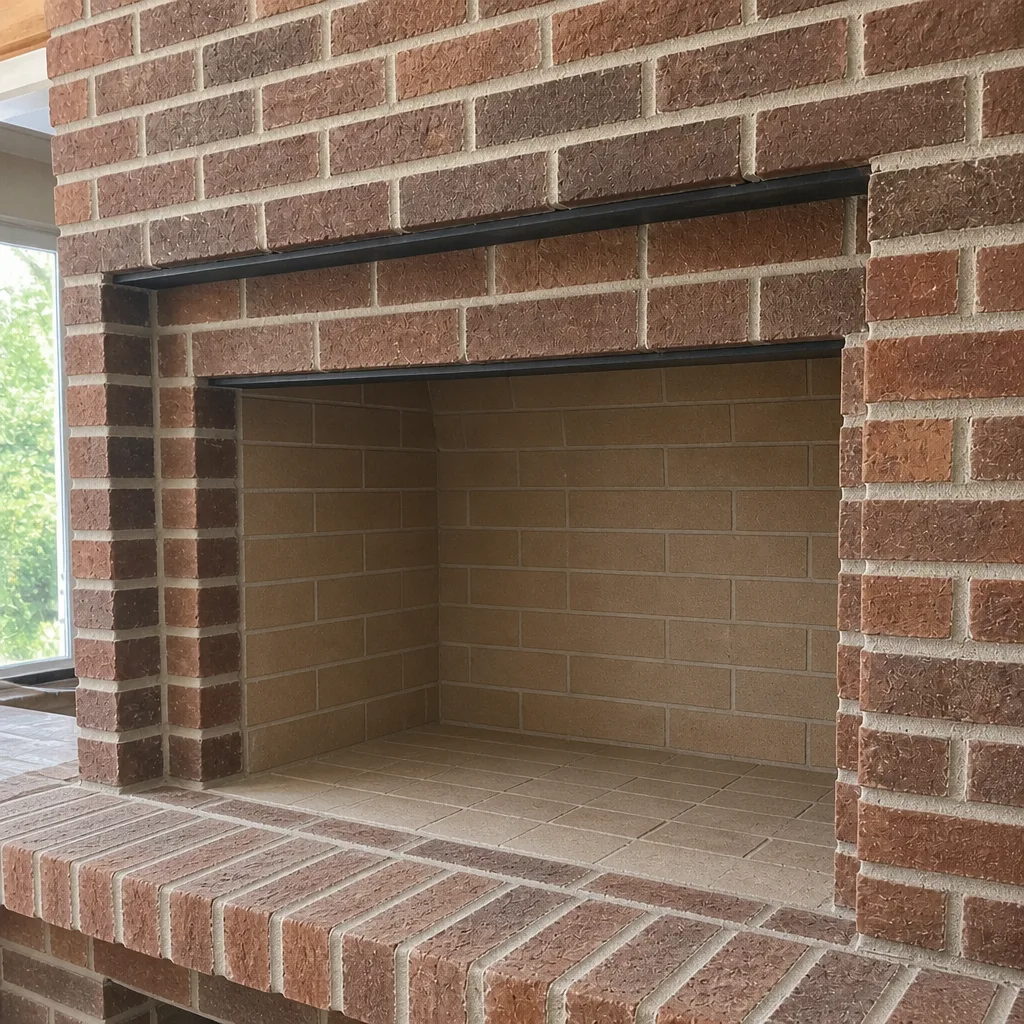 After
Frequently Asked Questions
Once a year is the minimum for most homes, and that’s the baseline we recommend for a typical fireplace used a few times a month. If you burn daily through the winter, or burn soft or unseasoned wood, a mid-season sweep in January or February is worth adding. The right schedule depends on your burning habits, and a technician can tell you what yours produces after one visit. Call (833) 482-6314 for an exact quote – estimates are free.
Spring is when freeze-thaw cycles peak, and moisture trapped in masonry from winter burning expands and contracts as temperatures swing above and below freezing. That cycle cracks mortar joints and opens the door for more water to get in. A structural inspection in March, April, or May catches the damage before it compounds. Book a spring inspection early in the season – call (833) 482-6314.
Yes. A chimney cap is the single most effective piece of equipment for preventing water intrusion, and it also keeps birds, squirrels, and debris out of the flue. If your chimney doesn’t have one, or the existing cap is rusted or missing its screen, it’s the first thing to address. Call (833) 482-6314 for a free estimate on cap installation.
Nothing dramatic in most cases, but the risk compounds quietly. Creosote builds up and becomes a fire hazard. A small crown crack lets water in through the summer and freezes in the spring. A cracked liner goes unnoticed until it’s a safety concern. Skipping one season is usually recoverable; skipping several is how a routine sweep turns into a repair bill. Call (833) 482-6314 to set up a full inspection.
Often, yes. Downdraft caused by wind hitting the top of the chimney at an angle can be reduced with a wind-resistant cap, a top-sealing damper, or in some cases a taller stack. The right fix depends on the specific chimney and how the wind hits your roof. An inspection will tell you which approach fits. Call (833) 482-6314 for a free estimate.
A camera inspection answers that question. If the liner has isolated cracks or spalling, HeatShield resurfacing can often restore it. If the damage is more extensive, a full liner replacement may be needed. The only honest way to know is to look. We inspect before we recommend, and we’ll show you what we find. Call (833) 482-6314 for an exact quote – estimates are free.
The Bottom Line
Year-round chimney care in Highlands Ranch means matching the work to the season. Fall is for sweeping and inspection before the first fire. Winter is for monitoring creosote and watching draft. Spring is the structural checkpoint, when freeze-thaw damage shows itself. Summer is for cap, crown, and moisture repairs while the system is dry. Miss a season and the next one gets harder. Hit all four and your chimney stays in service year after year. If you’re ready to start the cycle, call (833) 482-6314 for a free estimate.
For a full overview of the services behind this guide, visit Highlands Ranch Chimney Sweep.
Written by the team at Highlands Ranch Chimney Sweep.