
Last updated November 25, 2026
 Sweep & inspection
 Caps & crowns
 Flue relining
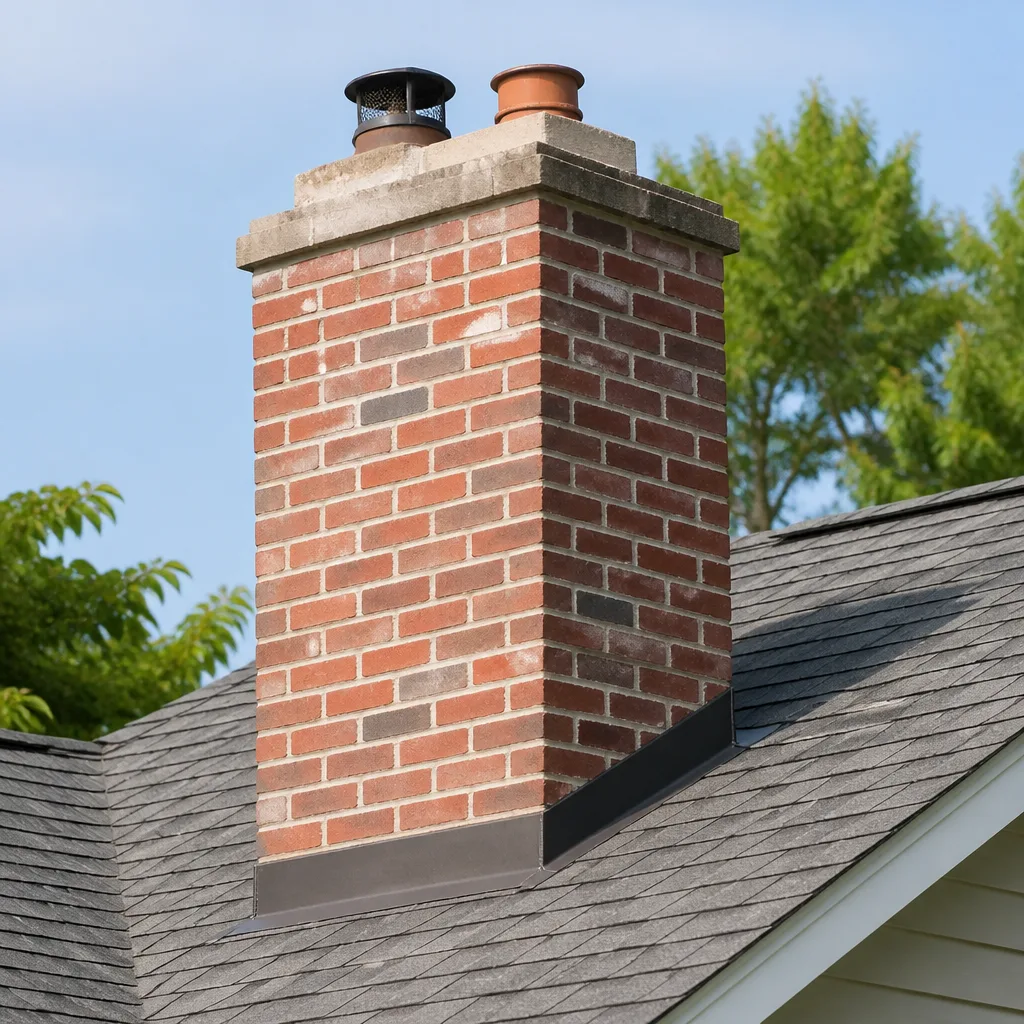 Masonry repair
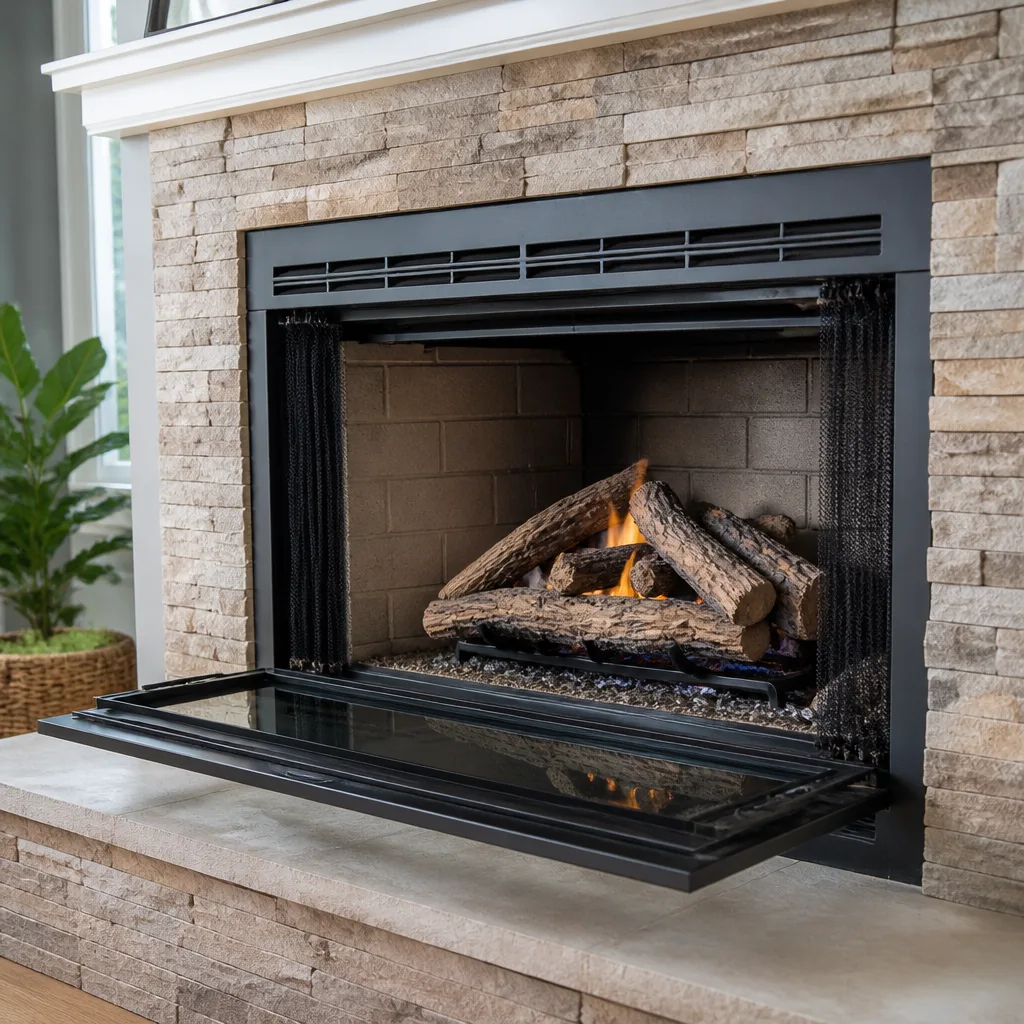 Gas fireplace service
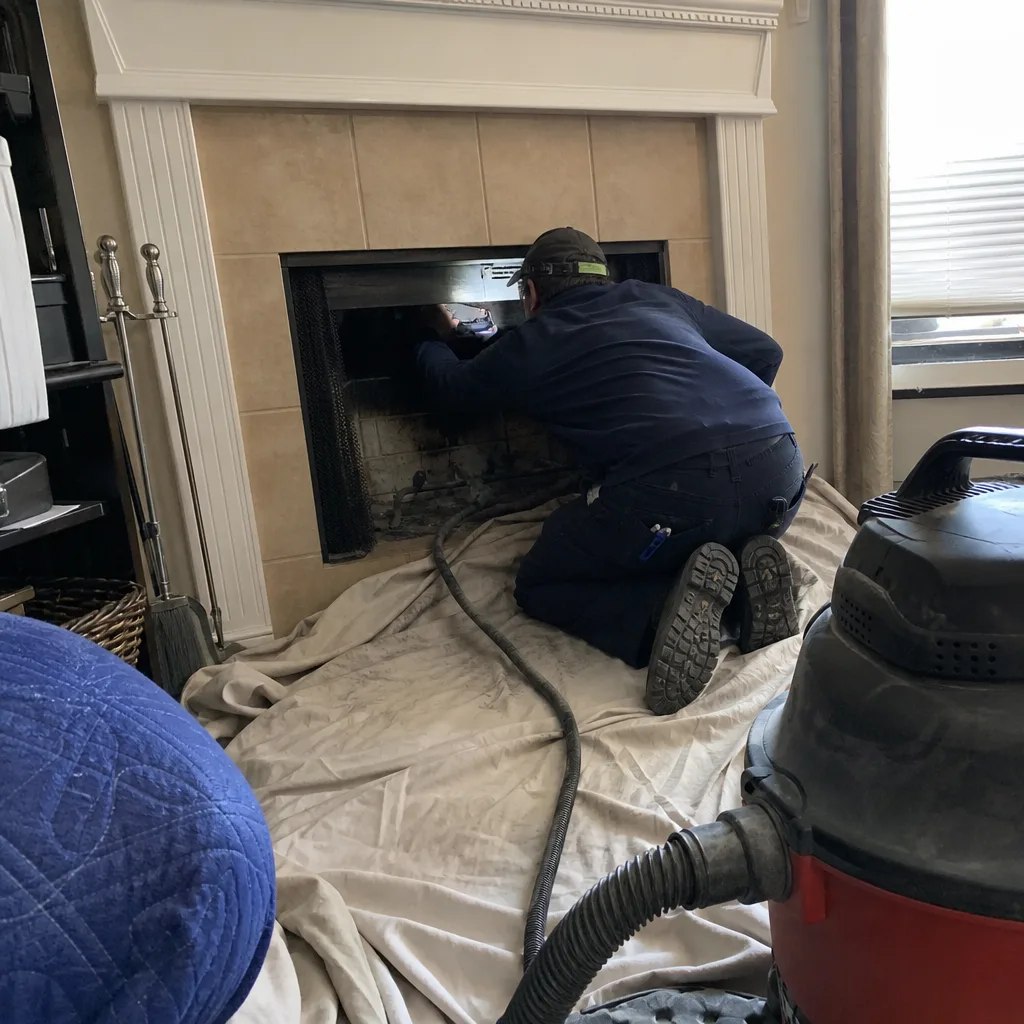
Level 1 sweep and inspection to the NFPA 211 annual standard - flue, crown, cap, and flashing checked and photographed
Chimney sweep logs do not sweep chimneys. They loosen some creosote - which then falls where a brush and vacuum still have to collect it.
How to Hire a Chimney Cleaning Contractor in Highlands Ranch: A Step-by-Step Guide
Most homeowners hiring a sweep ask one question: “Are you certified?” That’s a good start, but it’s the wrong filter on its own. In Highlands Ranch, a large share of the companies that will sweep your chimney are HVAC and fireplace outfits that treat the sweep as a lead-in to a bigger sale, and a certified technician running a side service is not the same thing as a chimney specialist. The difference shows up later, in what gets caught during inspection and what gets missed. This guide walks you through the questions, the paperwork, and the timing that separate a dedicated chimney operation from a generalist waving a brush.
Quick Answer
To hire a chimney cleaning contractor in Highlands Ranch, verify certification and insurance first, then ask whether chimney work is the company’s core business or an add-on. A genuine specialist will offer a camera inspection with photos before recommending any repair, itemize the estimate, and explain what can safely wait. Time your quotes for late summer or early fall, before the burn season starts, and confirm the company carries professional industry product lines rather than hardware-store substitutes.
Styles & brands we work with
- Sweep & inspection
- Caps & crowns
- Flue relining
- Masonry repair
- Gas fireplace service
Table of Contents
- Is your chimney sweep actually a chimney specialist?
- The questions that reveal a generalist
- How to verify certification, insurance, and local standing
- What a thorough estimate looks like
- Why camera inspection is the whole ballgame
- Red flags in the Highlands Ranch market
- The right time to request quotes (and why September beats December)
- A step-by-step hiring checklist
Is your chimney sweep actually a chimney specialist?
Highlands Ranch sits in Douglas County, where the housing stock is mostly two- and three-decade-old construction with factory-built fireplaces and wood-burning inserts. That matters because the work these chimneys need is technical and specific: flue liners that have cracked from repeated heating cycles, crowns that have settled or cracked, and caps that were never installed correctly in the first place. A company whose main business is installing furnaces or selling gas fireplace inserts doesn’t spend its day inside flues. It spends its day selling equipment, and the sweep is a foot in the door.
This isn’t a knock on HVAC companies doing honest work. It’s a structural observation. A dedicated chimney company keeps its technicians trained on flue systems, owns the camera equipment, stocks the liners and repair products the trade uses, and can move from “here’s what we found” to “here’s the repair” without handing you off. A generalist typically does the sweep, hands you a list of recommended repairs, and refers you out, or worse, quotes the repair without the equipment or training to do it properly.
Here’s the practical test. Ask a company what percentage of its work is chimney-specific, and ask whether it performs repairs or only cleaning. If the answer is “we do cleaning and refer repairs out,” you’ve found an add-on service. If the answer involves flue relining, crown work, firebox restoration, and cap installation under one roof, you’re talking to a specialist.
- Specialist signs: dedicated chimney and fireplace focus, repair capability in-house, trained on professional product lines, camera equipment on every inspection.
- Generalist signs: sweep offered as an add-on to HVAC or fireplace retail, repairs referred out, quotes delivered verbally without photos, pressure to bundle the sweep with unrelated services.
The full-system approach matters more than most homeowners realize. When one company both diagnoses and repairs, you don’t get handoff errors between the sweep tech and the repair crew. The person who found the crack is the person who writes the fix.
The questions that reveal a generalist
The fastest way to sort specialists from side-service operations is to ask five specific questions on the phone before you book anything. The answers tell you almost everything.
- “Is chimney work your core business, or part of a broader service menu?” A specialist will answer immediately and clearly. A generalist will hedge. Pay attention to whether the answer involves words like “we also do” or “we’ve expanded into.”
- “Do you do your own repairs, or do you refer them out?” If repairs are referred out, the sweep is a lead-generation service, and the inspection is likely shaped to generate a referral rather than a diagnosis.
- “Will you show me photos of the flue before and after cleaning?” Any company that hesitates on this is telling you something. Photos should be standard, not a special request.
- “Which chimney product lines do you carry and install?” A real specialist will name professional brands: DuraFlex liners, HeatShield restoration systems, Gelco products, Copperfield components. A generalist will say “we use whatever’s available.”
- “Who does the inspection, and what does it include?” The inspection should be a diagnostic process with a written report, not a visual once-over while the tech packs up.
Ask these before booking. The answers cost you nothing, and they save you from the more common Highlands Ranch scenario: a homeowner books the cheapest advertised sweep, gets a verbal recommendation for thousands of dollars in repairs, and has no way to verify any of it. That’s the hole a specialist closes.
If you want to see what a genuinely diagnostic inspection looks like in practice, our Highlands Ranch Chimney Sweep overview explains the scope of what we check and report on every visit.
How to verify certification, insurance, and local standing
Certification is a starting point, not a finish line. Verify three things: the technician’s credential, the company’s insurance, and whether the business is a known local entity rather than a call-center routing number.
Step 1: Check the technician credential directly
Ask for the certification number and the certifying body, then verify it independently. CSIA certification is the widely recognized standard, but don’t take a logo on a website as proof. A certified technician should be able to give you a number you can look up. Certification means the individual passed a technical exam and stays current on the trade, not that the company behind them is focused on chimney work.
Step 2: Confirm insurance
Ask for a certificate of insurance, and read it. General liability is the minimum. If a technician is working on your roof or inside your flue, you want the company insured for the work being done. A company that can’t produce a certificate within a day of asking is a company you move past.
Step 3: Verify local standing
This is where Highlands Ranch and Douglas County specifics help. Ask how long the business has operated in the area, and check whether the company name resolves to a real local address and a consistent phone number across listings. Call-center operations route through numbers that change, and crews that don’t know the area often can’t speak to the specific housing stock here. A company that works in Highlands Ranch regularly knows what factory-built fireplace chimneys in this market typically need.
Step 4: Check the professional product lines
Ask which liner and restoration systems they install. If they carry DuraFlex, HeatShield, Gelco, or Copperfield, they’re buying from professional distribution channels, not the hardware store. That distinction matters for the materials actually going into your chimney.
What a thorough estimate looks like
A vague flat-rate quote that covers “the sweep and a quick look” glosses over the whole reason you’re hiring a professional: diagnosis. A proper estimate should be itemized and traceable to what the technician found. Compare the two shapes below.
- Thorough estimate: lists the sweep as a line item, states what the inspection covered, and separates any repair recommendations by urgency. Each repair recommendation should reference the specific problem it addresses: “hairline cracks in the flue liner at the second joint” is a real line item; “needs liner” is not.
- Loose estimate: one number for everything, no inspection detail, no photos attached, repairs grouped into a single “recommended package” with no explanation of what each part does.
Ask for the estimate in writing, and ask for the inspection photos to accompany it. A written estimate with photos attached is a document you can take to a second company for a sanity check, and any specialist should be comfortable with you doing that.
Cost transparency matters as much as itemization. Ask whether the estimate is the final price or a starting figure. You want the final price set per job by the written estimate, not revised mid-project because the scope was vague. The estimate is free to obtain, so there’s no reason to accept a verbal guess.
If you want a sense of what a fair sweep and inspection should be measured against, our chimney sweep page covers what the standard service includes.
Why camera inspection is the whole ballgame
Sweeping clears what’s accessible. A camera inspection shows what sweeping can’t reach: the interior surfaces of the flue liner, the joints where cracks form, the smoke chamber transition, and the condition of the crown from the inside. Those areas are where the expensive problems live. If a company quotes repair work without offering a camera inspection, the diagnosis is a guess, and you have no way to verify it.
Here’s what the camera reveals that matters most in Highlands Ranch homes:
- Liner cracks and gaps at joints that have widened from heating cycles.
- Creosote deposits beyond what sweeping removed, particularly a glazed third-degree layer that brushing won’t address.
- Obstructions like bird nests, leaves, or damaged dampers, all common in this area.
- Previous repair work done badly, which is a common surprise in resale homes.
Photos should come standard with any inspection, and here they matter more than anywhere: they’re the evidence a repair recommendation rests on. A technician who can’t or won’t show you the interior condition of your flue is asking you to trust a recommendation without proof. A careful specialist will just as readily tell you when the chimney is fine and nothing needs doing yet.
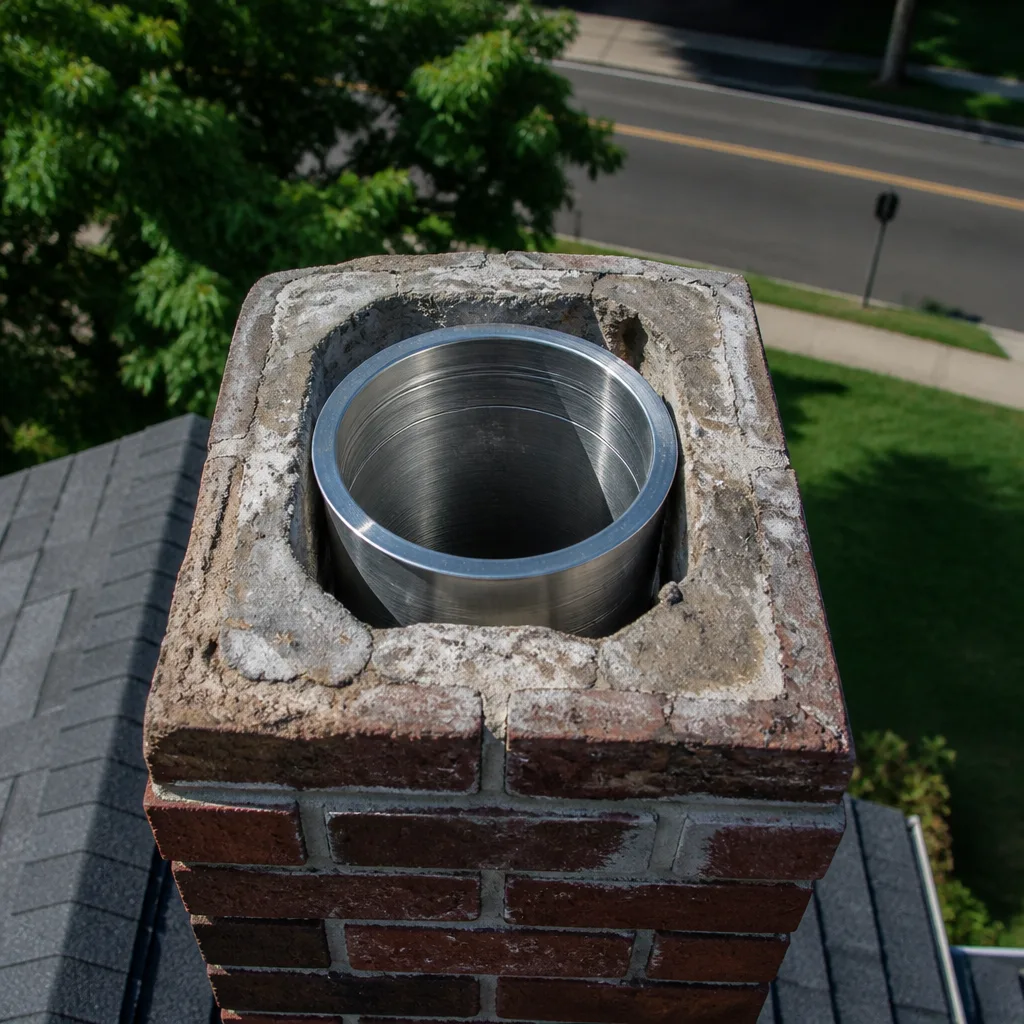
If the inspection does turn up repair work, our chimney repair page explains what the different repairs involve, from flue relining to crown restoration.
Red flags in the Highlands Ranch market
Several patterns show up repeatedly when homeowners describe chimney work they regret. These are general observations about how the market works, not individual jobs.
- Vague scoping. “We’ll clean the chimney and check everything.” That’s not a scope. Ask what “everything” means and what gets written down in the report.
- No camera inspection offered. A phone-only visual check isn’t an inspection. Ask whether the camera goes in, and whether you get to see the video.
- Refusing to show photos of post-sweep condition. This is the biggest tell. If photos of the flue before and after cleaning aren’t offered, the company either doesn’t have the equipment or doesn’t want you seeing the condition.
- Pressure to decide on repairs during the visit. A real specialist will tell you what’s urgent, what can wait, and what the risks are either way. Urgency should be tied to a visible condition, not a sales script.
- No professional product lines. If the company can’t name the liner and restoration systems they install, the materials going into your chimney are likely generic substitutes.
- No local footprint. Highlands Ranch homeowners should be able to verify a business address and a phone number that doesn’t reroute through a call center hundreds of miles away.
One red flag is worth pulling out separately: pressure around liner replacement. If a sweep tech recommends a new liner on the first visit, before any photos or camera footage are shared, that recommendation deserves a second opinion. A specialist will show you the evidence and let you decide.
The right time to request quotes (and why September beats December)
The single biggest timing mistake homeowners in Highlands Ranch make is waiting until the first cold snap, or worse, until the fireplace has already been lit for a few weeks. Calling in December means high demand, longer scheduling windows, and fewer options. Calling in late August or September means you get your pick of appointments, more time to compare estimates, and usually lower pricing because the service calendar is quieter.
- Late summer (August): Request quotes and book the sweep. This gives you the widest window to compare companies before demand picks up.
- Early fall (September): Get the sweep and inspection done. If repairs are needed, you have time to plan them before the burn season rather than rushing.
- October: Follow up on any items flagged during inspection that can safely wait until the spring, and confirm what’s been addressed.
- November-December: Reserve this window for households that need urgent service, not for quote-shopping.
- Spring (April-May): The second-best window for off-season repair work, and a smart time to catch anything deferred from the fall.
There’s a local reason this matters beyond scheduling convenience. Highlands Ranch winters are long and dry, and a fireplace that’s been sitting through the spring and summer has had months to accumulate dust and debris. Getting the sweep done before the first burn of the season means you’re starting clean, and that first inspection has the clearest read on the system’s actual condition.
The other argument for early timing is cost. As demand climbs into November and December, prices to get on the schedule can rise, and the number of companies with availability shrinks. Booking early is less about the price of the sweep itself and more about the quote you get for any repairs: when multiple companies are available to quote, you can compare, and when only one has any capacity, you can’t.
A step-by-step hiring checklist
This is the sequence we recommend for any Highlands Ranch homeowner hiring a chimney contractor. It applies whether you’re doing a routine annual sweep or a diagnostic inspection after years of skipping both.
- Define the job. Routine cleaning and inspection, or repairs based on something you’ve already noticed? Write it down before you call anyone.
- Shortlist three companies. Look for companies whose primary service is chimney work, not a broader home-services menu.
- Ask the five diagnostic questions. Is chimney work the core business? Do they do repairs? Will they show photos? Which product lines? Who does the inspection?
- Verify credentials. Check certification numbers, request insurance certificates, and confirm the business has verifiable local standing in Douglas County.
- Book the inspection and sweep as a combined visit. Ask whether the inspection is included, and whether camera footage will be provided.
- Review the written estimate against the photos. Every recommended repair should reference a specific condition the photos show.
- Ask what can safely wait. A good specialist will be honest about urgency, and will tell you plainly when a repair can be deferred.
- Confirm the price before work begins. The final price should be set by the written estimate, not revised mid-job.
If the fireplace itself has issues, the same sequence applies to fireplace repair, and it’s worth asking about both in the same visit so you’re not paying for two separate diagnostic trips.
Common Mistakes to Avoid
- Hiring on price alone. A cheap sweep that turns into an expensive liner replacement you can’t verify is a worse deal than a fair-price sweep with a camera inspection. Price should be compared against what’s actually included.
- Skipping the camera inspection. Booking a sweep with no inspection attached is like buying a used car with no test drive. The photos are the whole point.
- Accepting a verbal recommendation. Any repair recommendation that doesn’t come with photos or camera footage should be treated as unverified, no matter how confident the technician sounds.
- Waiting until December. Calling after the first cold snap means scheduling delays and fewer competing quotes. September gives you options; December gives you one company with availability.
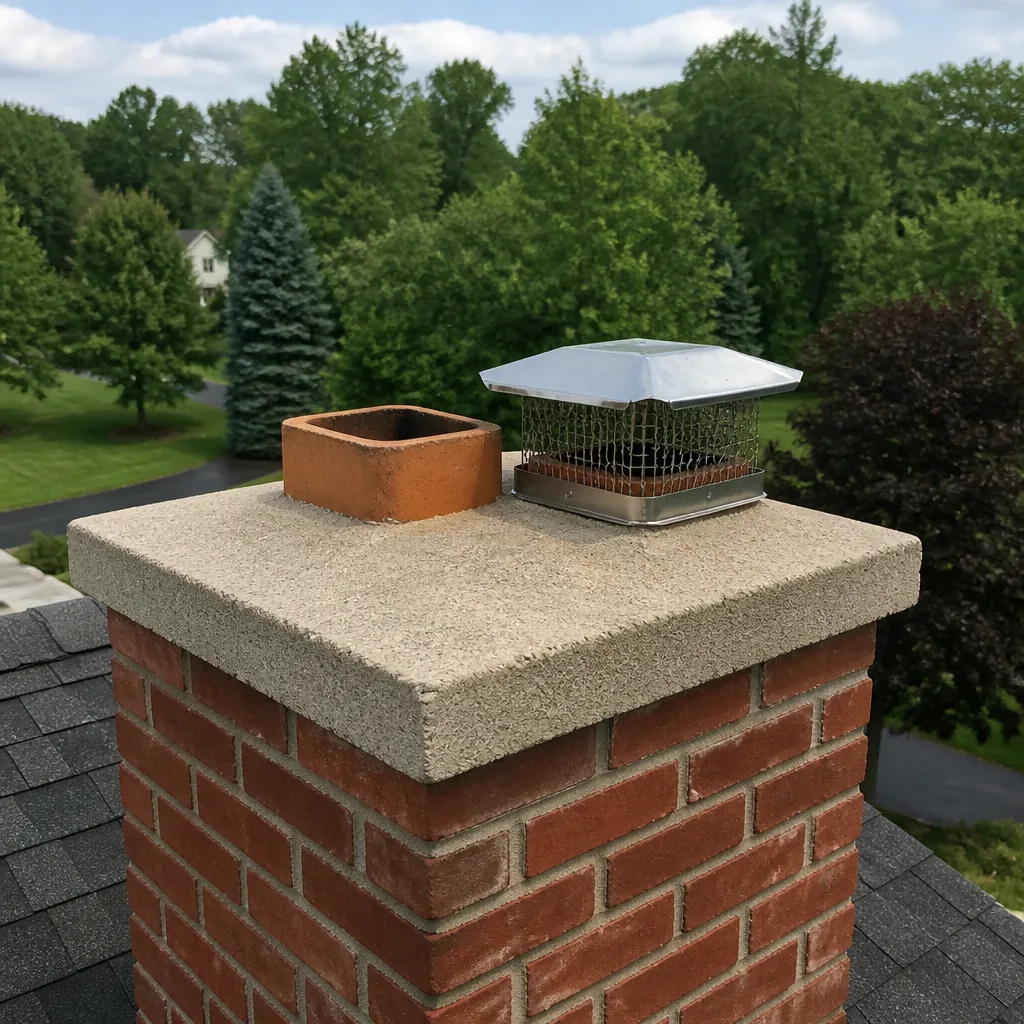
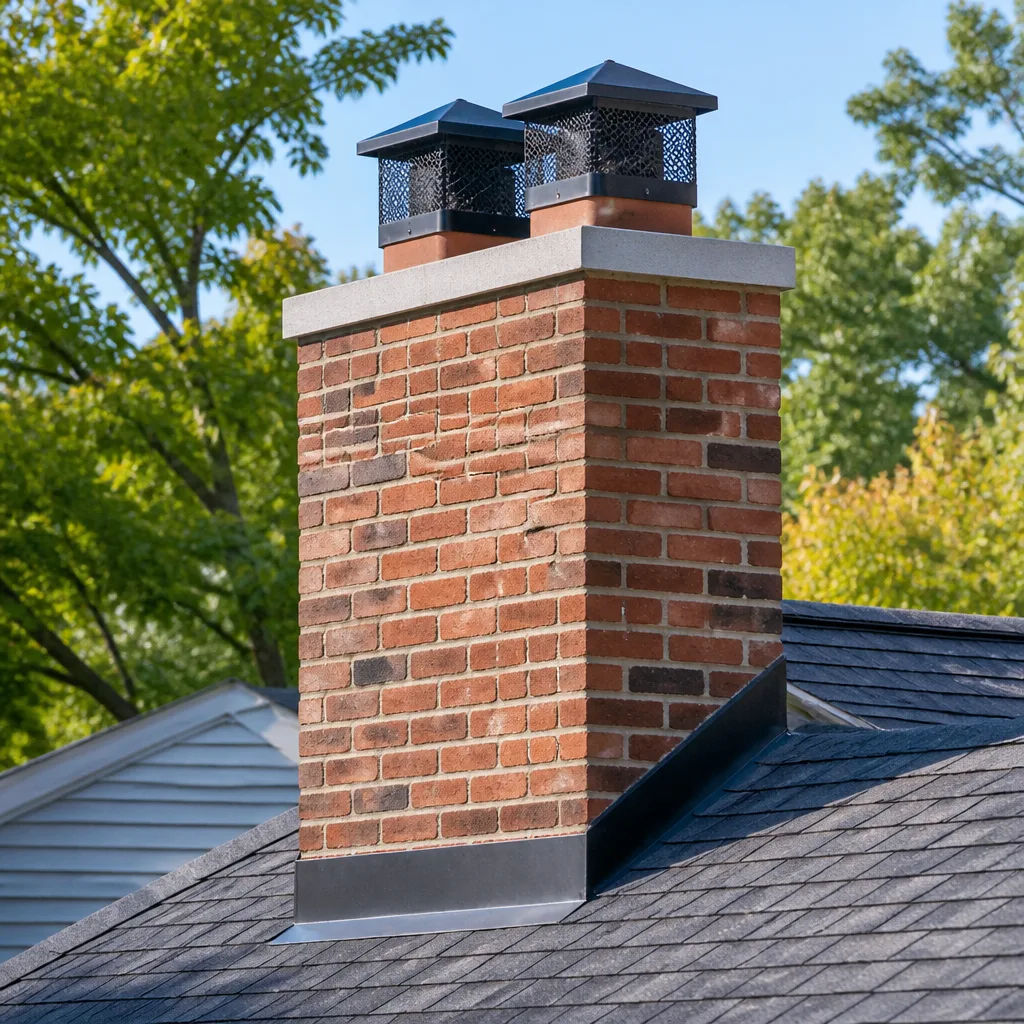
- Ignoring the cap and crown. In Highlands Ranch, water damage from a cracked crown or missing cap is one of the most common chimney problems, and it’s present from the outside, not the flue. Ask about both during the inspection.
- Assuming a logo means a focus. A CSIA logo doesn’t tell you whether chimney work is the company’s core business. Ask the question directly.
- Not asking what can wait. Some repairs are urgent; others can be planned for spring. A specialist will tell you which is which without pressure.
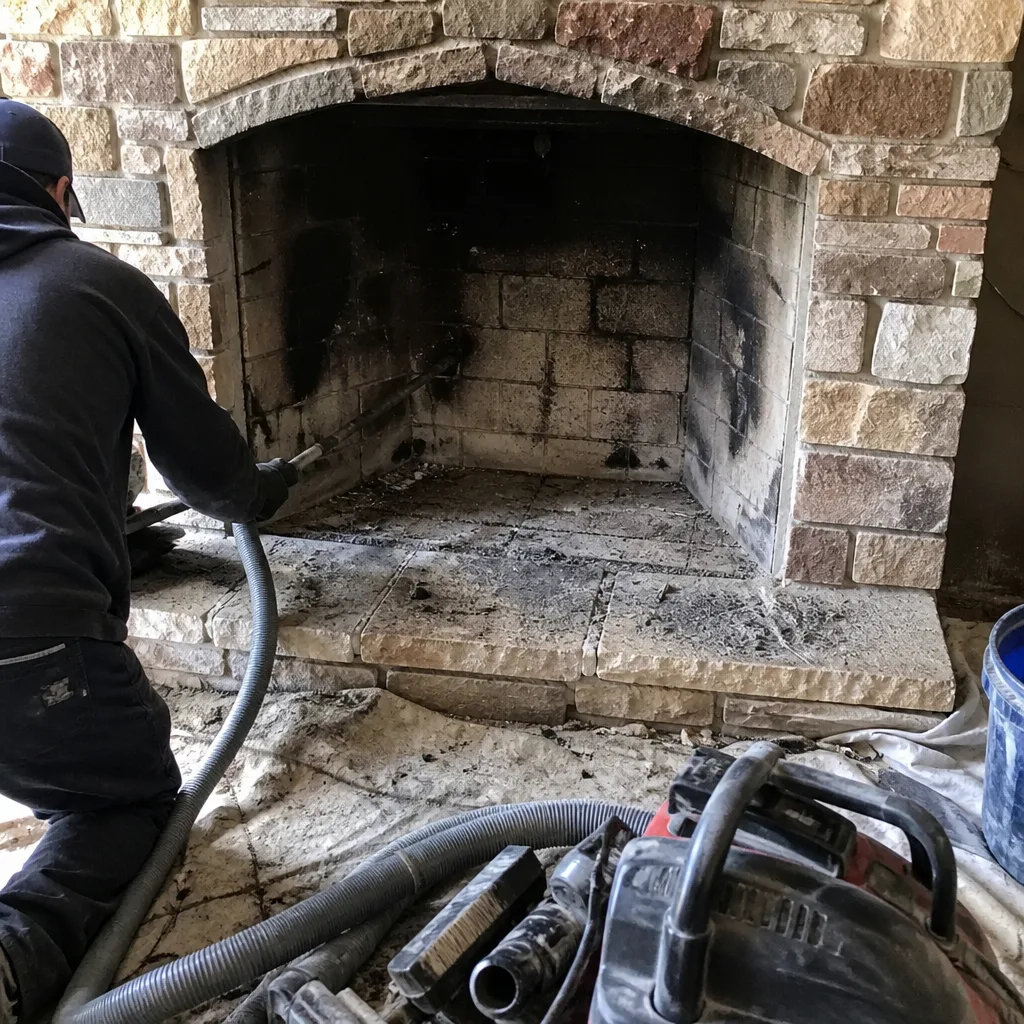
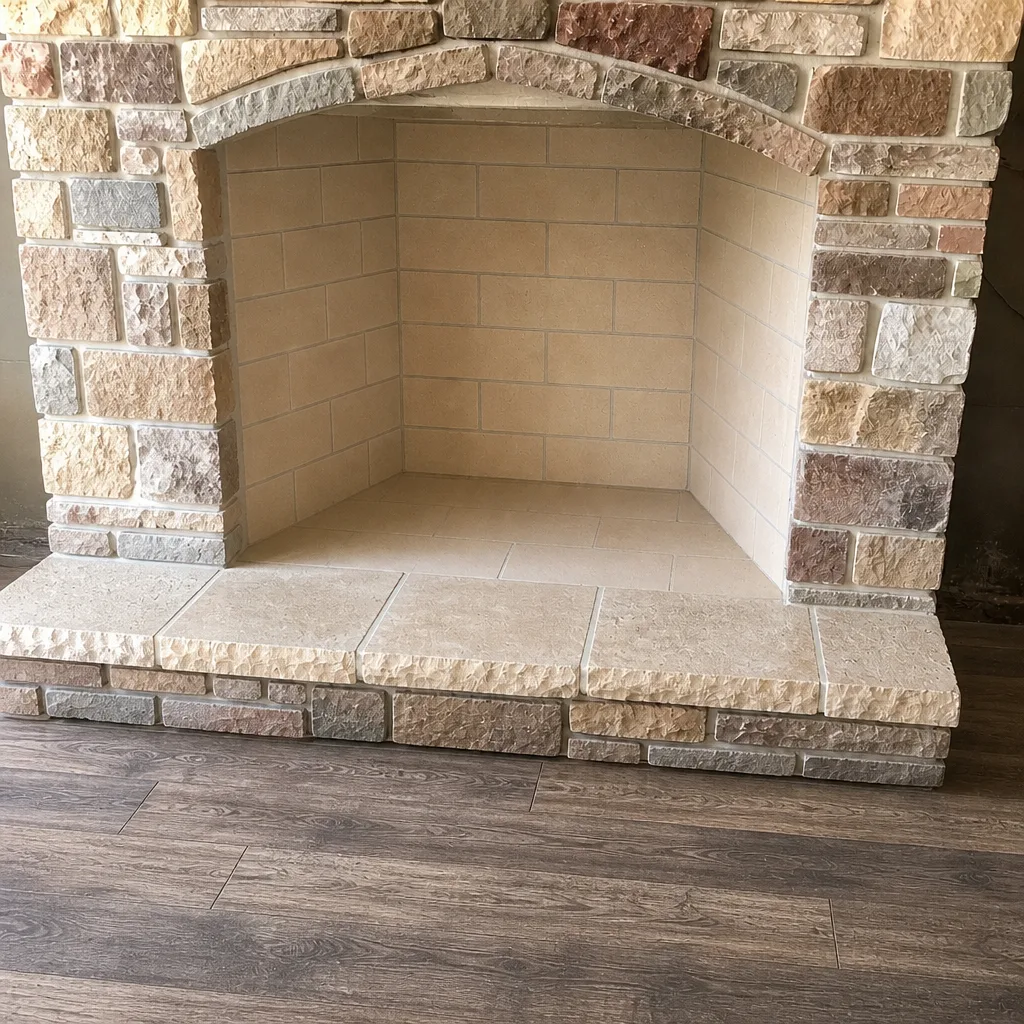
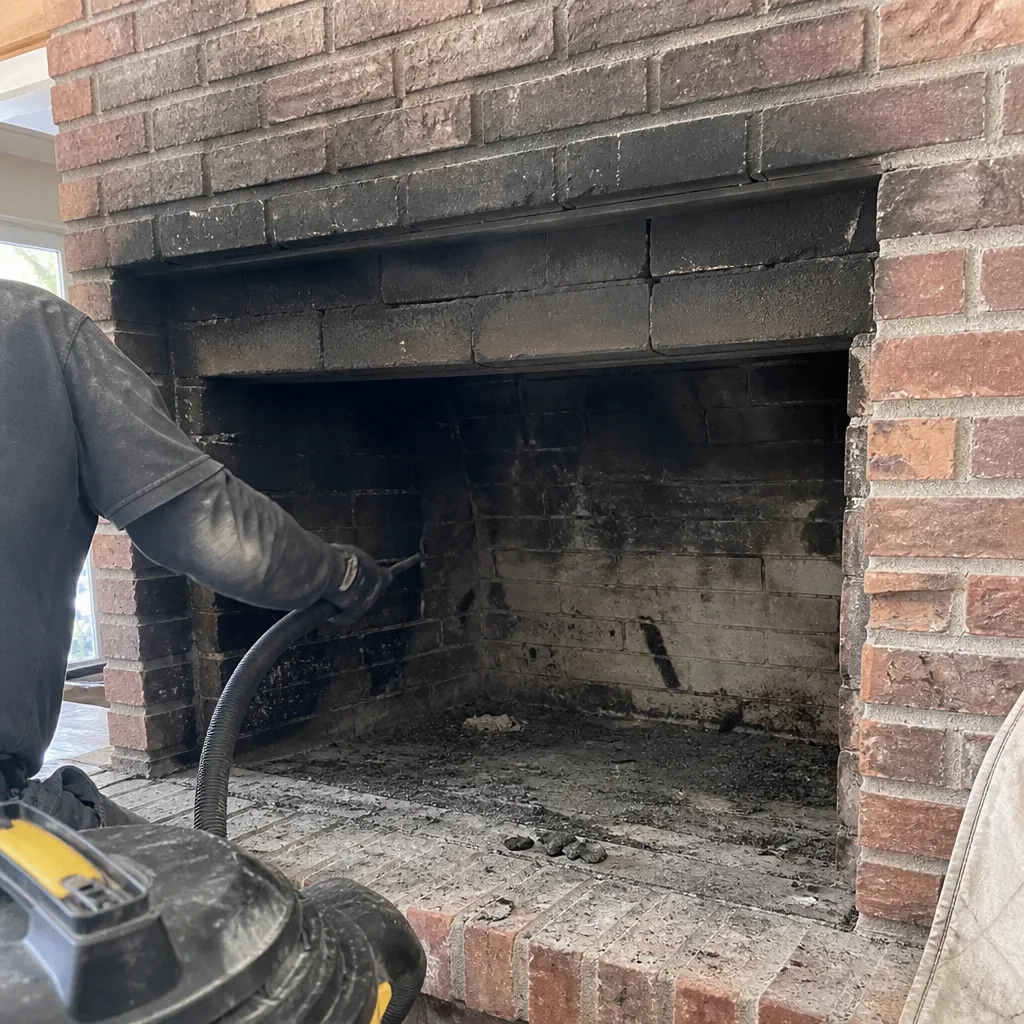
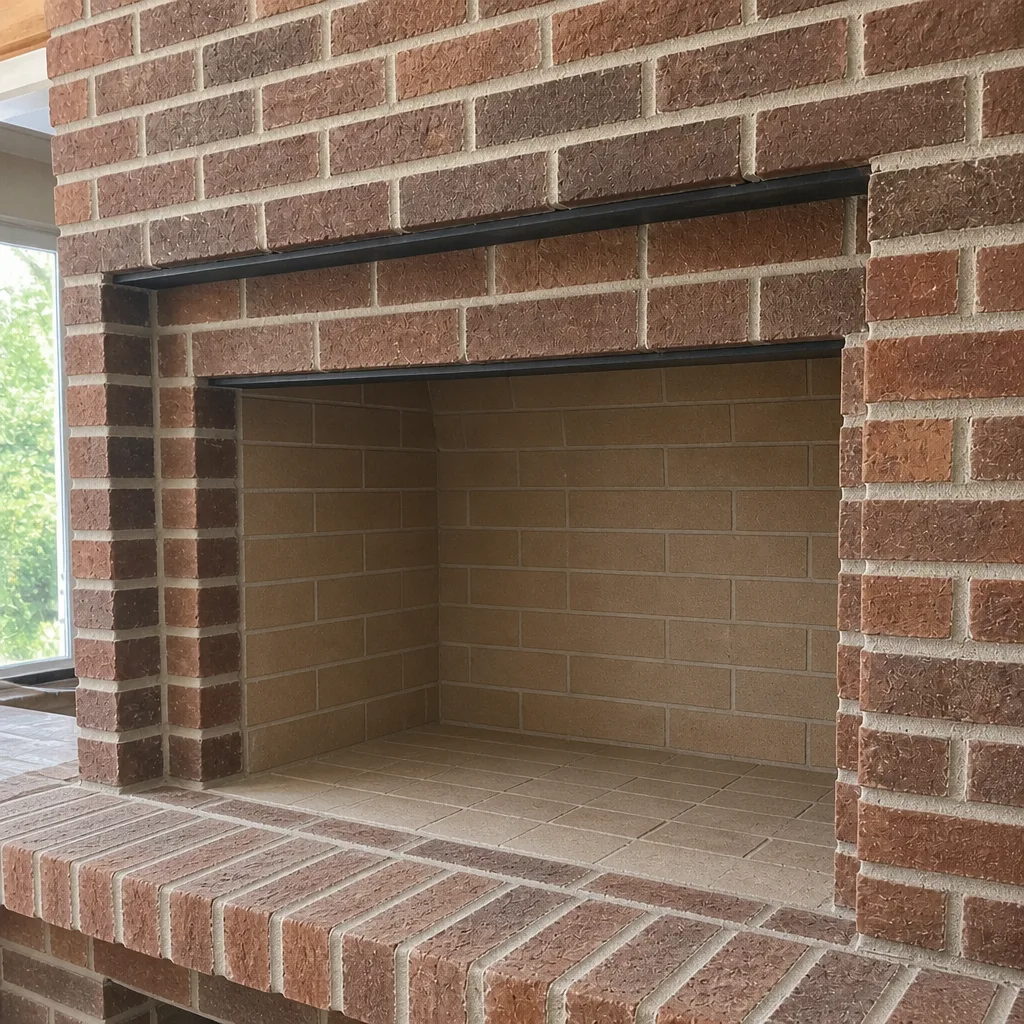
See the difference
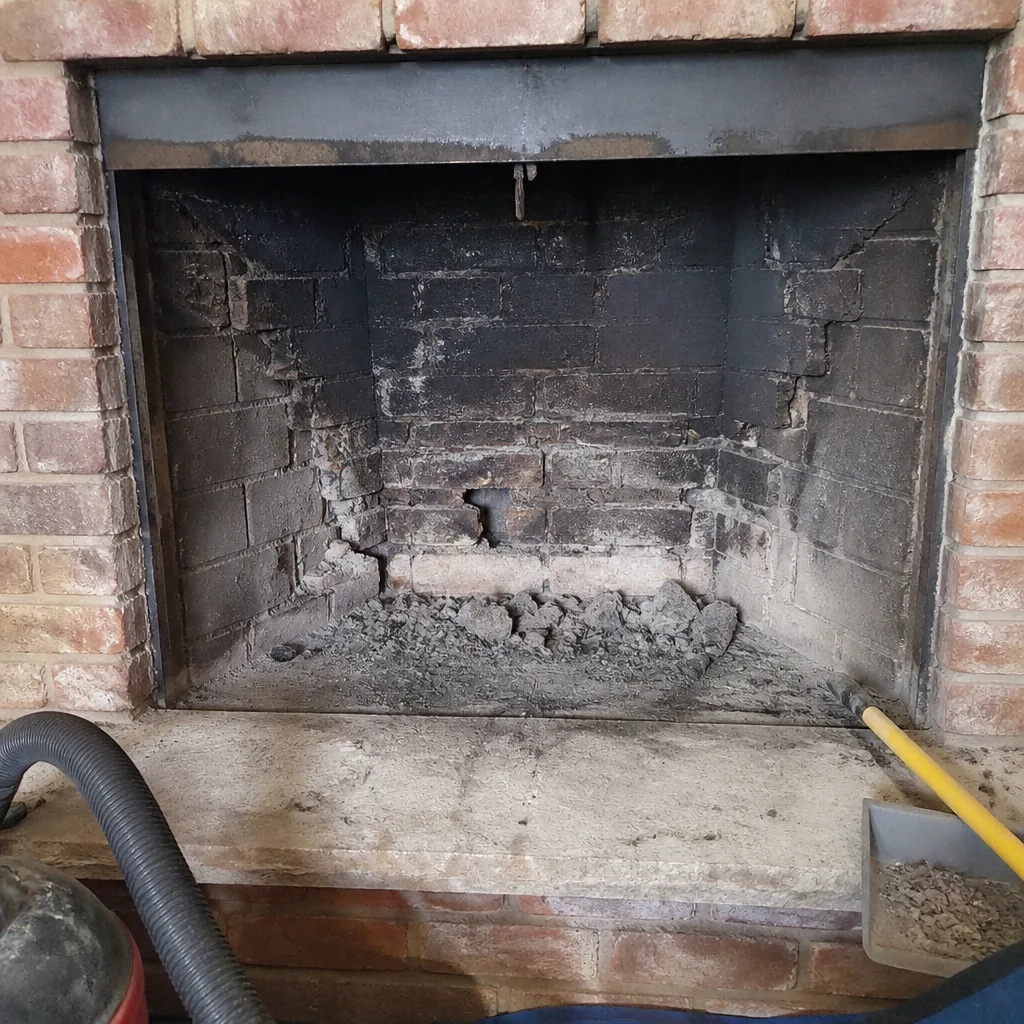 Before
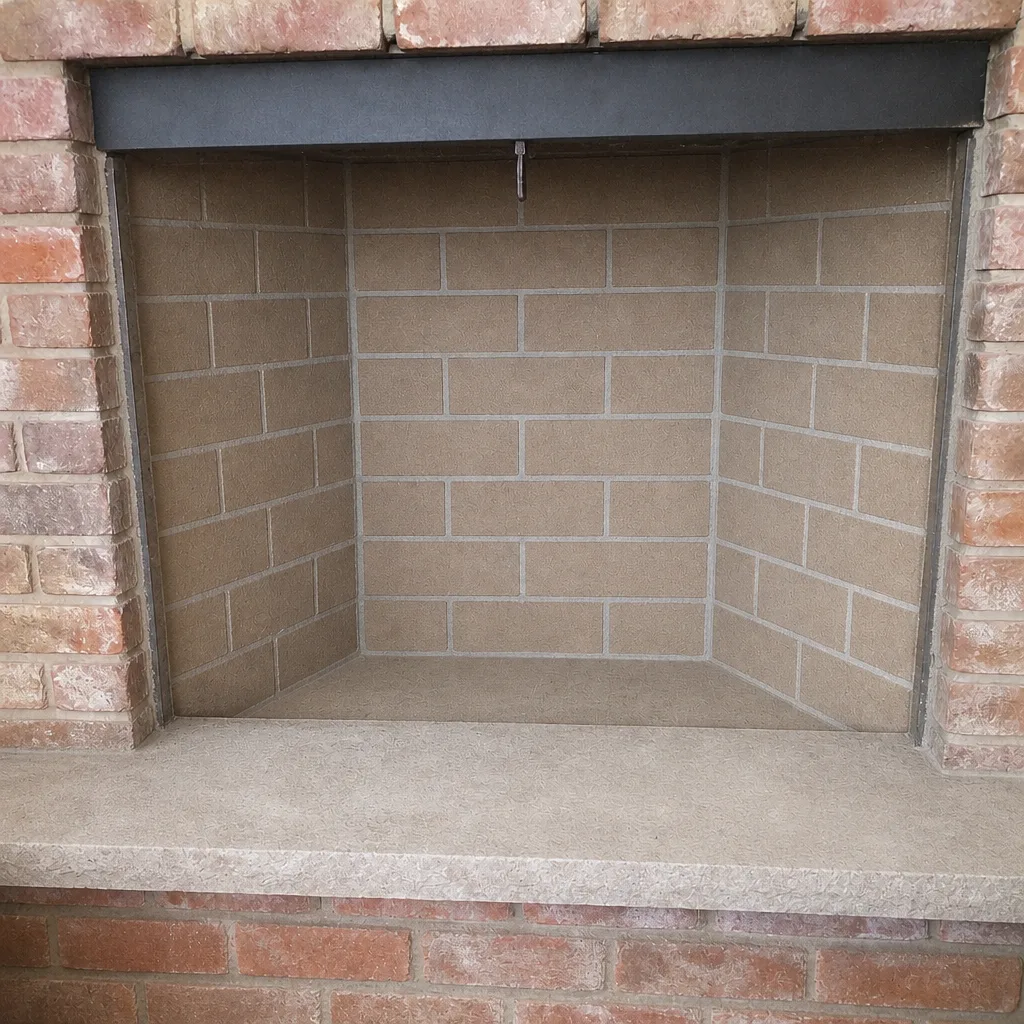 After
 Before
 After
 Before
 After
When to Call a Professional
Some chimney problems are obvious from the driveway: a missing cap, a visible crack in the crown, a chimney that’s leaning or spalling. Others are only visible from inside the flue: a cracked liner, glazed creosote, a blocked damper. If you’ve noticed smoke backing into the room, a persistent smell from the fireplace in warm weather, or a fire that’s been harder to start than usual, those are signs a professional should look at the system, not a project for a weekend. Any chimney that hasn’t been swept in a year or more should get a proper inspection before its next fire. Highlands Ranch Chimney Sweep offers free estimates in Highlands Ranch, and our technicians have up to 8 years of experience. Call (833) 482-6314 to book a sweep and inspection.
Frequently Asked Questions
Once a year is the standard recommendation for a wood-burning chimney in regular use, and gas fireplaces should still get an annual inspection. The right interval depends on how much you burn, but annual inspection catches the issues that build up between sweeps. Call (833) 482-6314 to book a free estimate.
A sweep alone can’t see cracks inside the liner or deposits behind the smoke chamber, so an inspection with camera footage is what actually tells you the system’s condition. Skipping it means repair recommendations come without evidence. We inspect before we recommend, and the photos go to you. Call (833) 482-6314 for an exact quote.
Ask whether chimney work is their core business and whether they do their own repairs or refer them out. A specialist answers both questions directly and can name the professional product lines they install. A generalist hedges, refers repairs out, and treats the sweep as a lead-in. Call (833) 482-6314 with questions.
Late summer and early fall, ideally August into September, before demand picks up for the burn season. Requesting quotes early gives you more companies to compare and more scheduling flexibility. Call (833) 482-6314 to get on the calendar.
Ask before booking, because it varies by company. A specialist will include camera inspection in the visit, since the sweep and the inspection are meant to inform each other. We include the inspection and photo report with a sweep. Call (833) 482-6314 for details.
Ask for the photos or camera footage that show the condition, then ask what happens if the repair is deferred. A recommendation without evidence shouldn’t be acted on. A specialist will give you both the urgency and the alternative. Call (833) 482-6314 for an exact quote.
The Bottom Line
Hiring a chimney contractor in Highlands Ranch comes down to separating a specialist from a generalist, and the questions in this guide do that better than any credential alone. Verify certification and insurance, then ask whether chimney work is the core business, whether repairs are done in-house, and whether camera photos are standard. Time your quotes for August or September, read the estimate line by line, and require evidence behind every repair recommendation. A specialist will tell you when work can wait, and won’t push a repair you can’t verify. That’s what a chimney system deserves, and what a trade-level company delivers.
Highlands Ranch Chimney Sweep works with professional chimney-industry product lines including DuraFlex, HeatShield, Gelco, and Copperfield, and handles sweeping, inspection, fireplace repair, chimney repair, and cap and crown installation under one company. If you’re ready to book, call (833) 482-6314. We answer 24/7. Fast dispatch from 7am to 7pm, Sunday through Friday.
Call (833) 482-6314 for a free estimate.
Written by the team at Highlands Ranch Chimney Sweep.